Many dog owners in India and around the world struggle with their pets’ reactivity—overreactions to sights, sounds, or situations that might seem harmless. Often, owners unintentionally encourage this behavior, leading to increased stress and challenges for both the dog and their family. Recognizing these subtle habits is the first step to fostering a calmer, happier pet.
Understanding the triggers and responses that lead to reactivity can help you break the cycle. With some simple changes in how you interact with and train your dog, you can reduce their reactivity over time. In this article, we’ll explore 10 common ways dog owners unintentionally encourage their dog’s reactive behavior and offer insight into how to avoid these pitfalls.
1. Rewarding Barking or Lunging
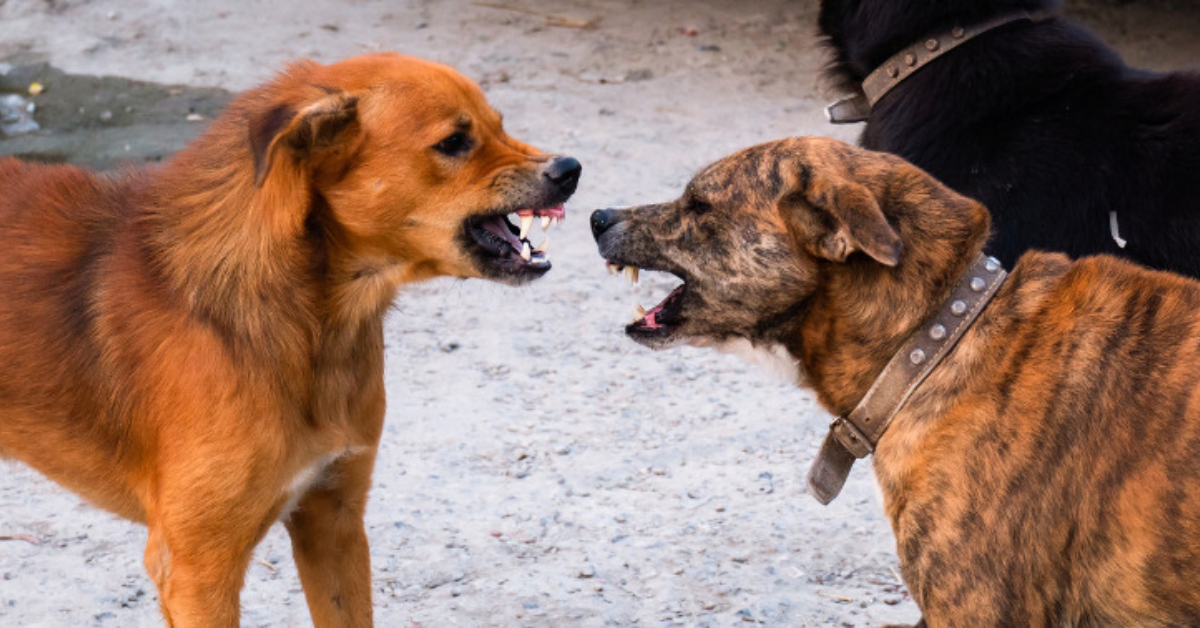
When your dog barks or lunges at other dogs or people, many owners try to calm them by giving treats or attention right after the outburst. This can actually reinforce the behavior, as the dog learns that reacting loudly will get your focus or a reward. According to the American Kennel Club, rewarding calm behavior, rather than reactive behavior, helps dogs learn better self-control.
2. Not Managing the Environment
Allowing your dog to face overwhelming situations without proper management can increase their stress and reactivity. For example, taking a nervous dog to crowded places without preparation or escape routes might cause heightened anxiety. Veterinary behaviorists from AVSAB recommend managing your dog’s environment carefully to prevent negative experiences.
3. Using Punishment or Yelling
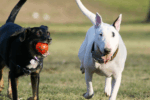
Yelling at a reactive dog may seem like a way to stop unwanted behavior, but it often does more harm than good. Punishment can increase fear and anxiety, making reactivity worse over time. PETA advises using positive reinforcement techniques instead to build trust and reduce stress.
4. Lack of Proper Socialization
Dogs that haven’t been socialized with different people, places, and other dogs during their early months may become more reactive later. Limited social experiences can cause fear-based reactions, according to guidance published by the Humane Society of the United States. Gradual socialization helps dogs feel more comfortable in various situations.
5. Overwhelming Training Sessions
Trying to train your dog under stressful or distracting environments may backfire when they are already reactive. Training should be done in calm settings initially, building up to more challenging scenarios slowly. As stated by Cornell University College of Veterinary Medicine, positive, gradual training is key to reducing reactivity.
6. Inconsistent Responses from Family Members
If different members of your household react differently to your dog’s behavior, it can confuse the dog and encourage reactivity. Consistency in commands, rules, and responses helps dogs understand what is expected of them, lowering anxiety and outbursts. The American Veterinary Medical Association highlights consistency as vital for successful behavior modification.
7. Ignoring Your Dog’s Body Language
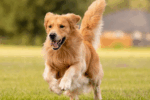
Sometimes, owners miss signs of stress or discomfort before the dog becomes reactive. Recognizing early body language such as lip licking, yawning, or turning away can help intervene before a reaction. Resources from the International Association of Animal Behavior Consultants stress the importance of reading your dog’s signals attentively.
8. Allowing Poor Leash Handling
Tight leashes or jerky movements can increase a dog’s stress during walks, sometimes triggering reactivity. Loose-leash walking techniques and use of appropriate equipment can help your dog feel more secure. The Humane Society advises using front-clip harnesses and calm walking to reduce leash reactivity.
9. Avoiding Professional Help
Many dog owners delay or avoid seeking professional behavioral help, thinking their dog’s reactivity will disappear on its own. Consulting certified trainers or veterinary behaviorists early can provide effective strategies tailored to your dog’s needs. The American College of Veterinary Behaviorists recommends early intervention for best results.
10. Reinforcing Fear with Your Own Anxiety
Your own nervousness around other dogs or people can transfer to your dog, unintentionally encouraging their reactivity. Staying calm and confident during encounters helps your dog feel safe and less defensive. Studies cited by the Journal of Veterinary Behavior underline the influence of owner emotions on dog behavior.
By identifying and changing these common habits, you can help your dog overcome reactive tendencies and enjoy more peaceful interactions. Always remember that patience and positive reinforcement go a long way towards building trust and confidence in your furry friend.