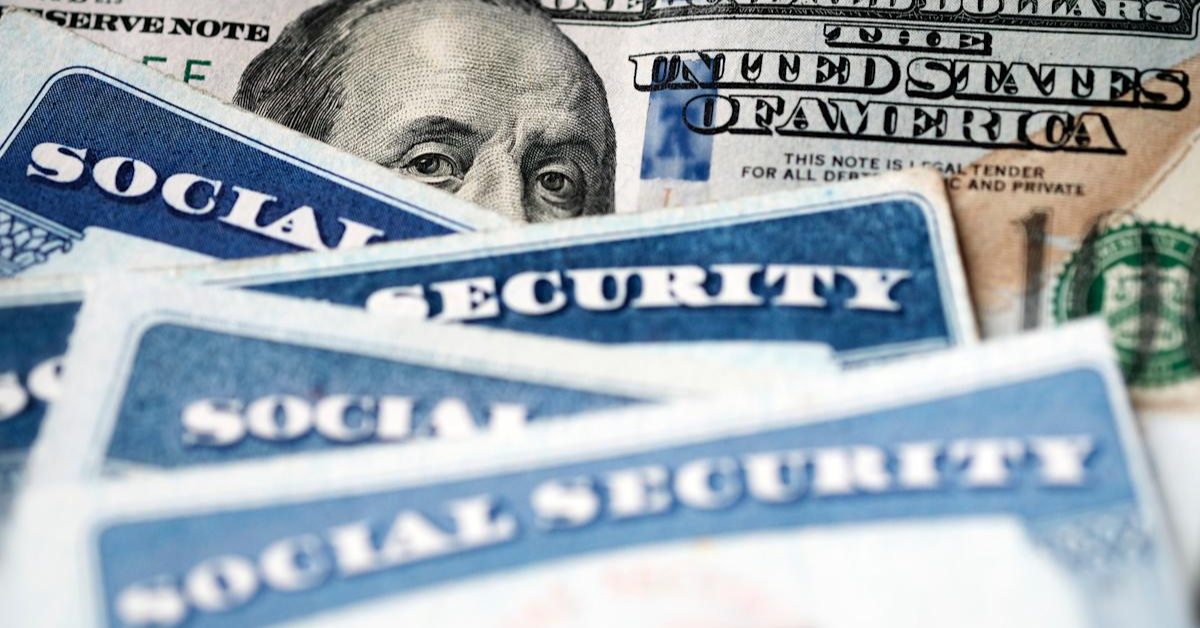
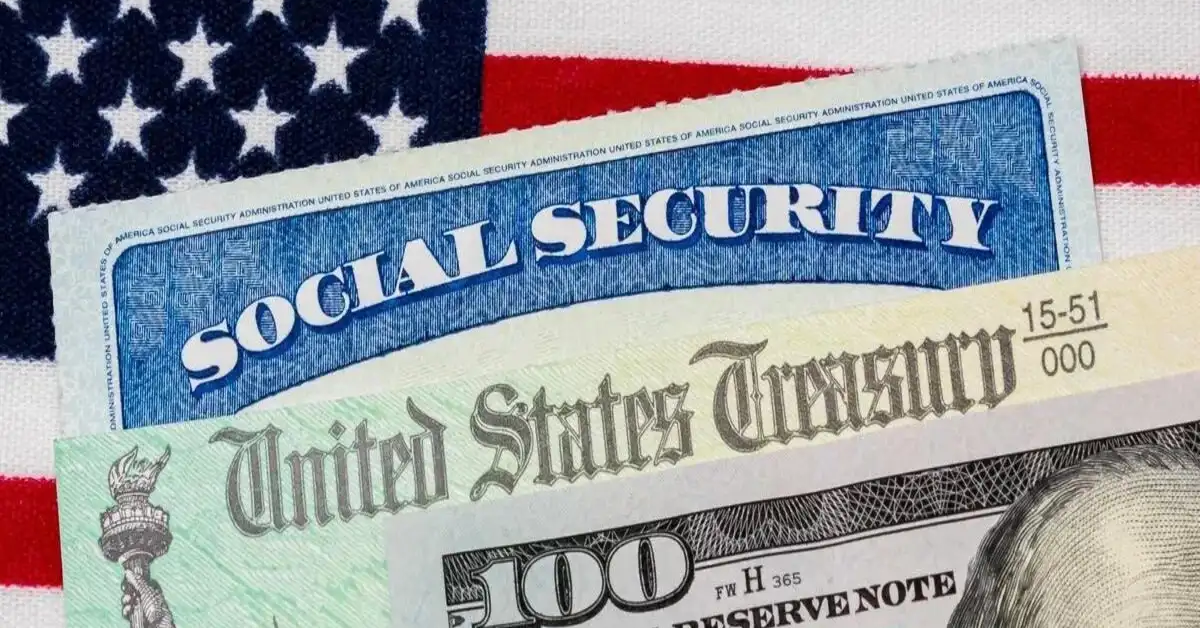
The Social Security Administration (SSA) is making a big change that affects millions of Americans receiving federal benefits. Starting September 30, 2025, paper checks for Social Security and Supplemental Security Income (SSI) payments will no longer be issued. Instead, all recipients will receive their payments electronically. This shift aims to improve security and reduce costs associated with mailing paper checks.
For many people, this change might seem unfamiliar or concerning, especially for those who prefer or rely on paper checks. However, going paperless has its benefits, including faster payment delivery and reduced risk of lost or stolen checks. In this article, we’ll explain what this change means, who it affects, and how you can prepare for this update from the Social Security Administration.
Why Is Social Security Ending Paper Checks?
The main reason for stopping paper checks is to offer a safer, more efficient, and cost-effective way for recipients to get their money. According to the Social Security Administration’s official website, electronic payments are safer because they reduce the chance of checks getting lost or stolen in the mail. Electronic payments are also faster, often credited to accounts on payday, allowing recipients quicker access to funds .
Additionally, the cost to print and mail paper checks is much higher compared to direct deposit or other electronic payment options. By phasing out paper checks, the SSA expects to save money that can be better used to improve services.
Who Will Be Affected?
Anyone receiving federal benefits through the Social Security Administration who still gets paper checks will need to switch to an electronic payment method. This includes Social Security retirement benefits, SSI, disability benefits, and other related payments. The change is mandatory; if a recipient does not select an electronic payment option, the SSA will make the switch for them.
This change will most affect older adults or people with limited internet access who might be less familiar with online banking or electronic payments. That’s why the SSA is offering help and resources so everyone can make a smooth transition.
What Are the Electronic Payment Options?
The SSA offers multiple electronic payment methods, so recipients can choose what works best for them. The most common choice is direct deposit to a bank account, where the money is automatically transferred and available on payment day. Recipients can also use the Electronic Transfer Account (ETA), a low-cost account designed specifically for federal benefit payments.
Another option is the Direct Express® Debit Mastercard®, which is a prepaid card that can be used just like a regular debit card. Benefits get loaded onto the card every month, so recipients don’t need a bank account to access their funds.
How to Prepare for the Change
If you or someone you know receives paper checks from the SSA, it’s important to prepare early. First, set up an electronic payment option by contacting the Social Security Administration or visiting their website. You can sign up for direct deposit or order a Direct Express card easily online or by phone.
The SSA recommends signing up at least 60 days before the paper check phase-out deadline to avoid any payment delays. If you need help, friends, family, or local community centers can assist you. Also, keep your personal information updated with the SSA, including your address and banking details.
What If Someone Doesn’t Have a Bank Account?
Not having a bank account can be a challenge, but the SSA’s Direct Express card is designed for this situation. It allows recipients to receive their benefits electronically without needing a traditional bank account. They can use the card to withdraw cash, pay bills, and shop just like any other debit card.
This option ensures that everyone, regardless of banking access, can continue receiving their Social Security benefits without interruption. More details about how to enroll for the Direct Express card are available on the official website.
Benefits of Going Paperless for Younger Generations
While older adults might find this transition challenging, younger beneficiaries will likely find it natural. Many younger people are already used to managing money digitally through apps and online banking. Electronic payments are quick, secure, and convenient, fitting well in today’s fast-paced digital lifestyle.
Additionally, embracing paperless payments helps the environment by reducing paper waste. It also supports better record-keeping and easier access to payment histories, which can be helpful when managing finances or filing taxes.
Conclusion
Going paperless is a significant step forward for the Social Security Administration and its beneficiaries. Ending paper checks by September 30, 2025, ensures safer, faster, and more efficient payment delivery for millions of Americans. Whether setting up direct deposit, enrolling for a prepaid card, or seeking assistance, everyone should prepare ahead to avoid disruption.