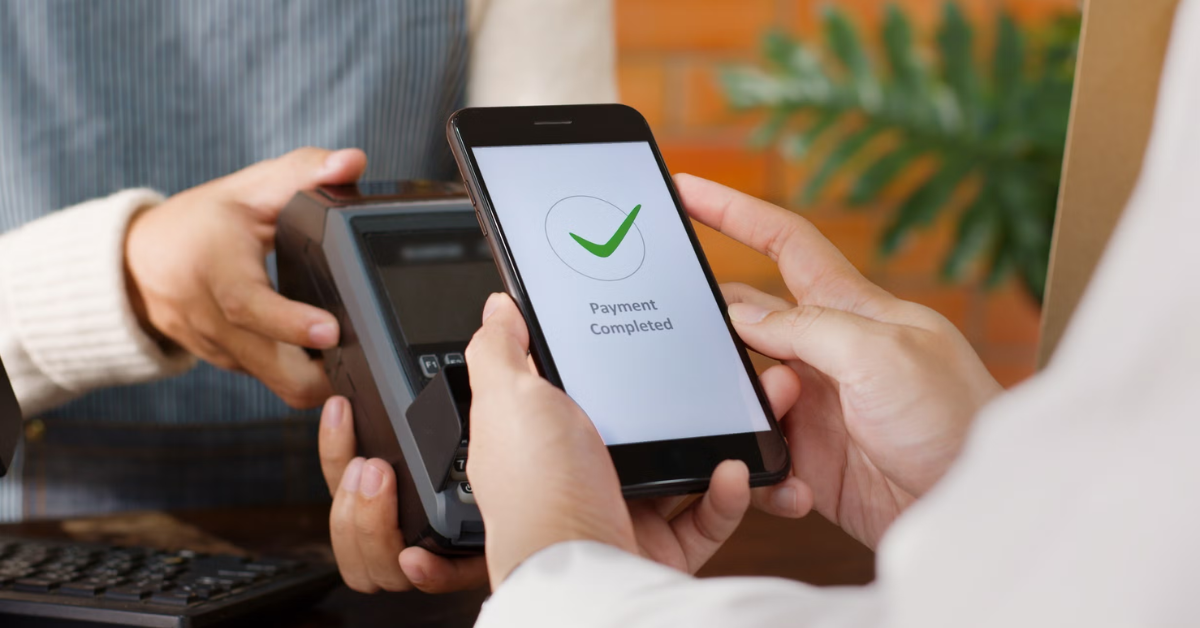
The Social Security Administration (SSA) is changing the way it sends payments, moving towards electronic methods to make things easier and faster for millions of people. This big change aims to help those who don’t have bank accounts or who currently receive paper checks. By modernizing its payment system, SSA hopes to improve security and reduce delays for beneficiaries.
For many, especially those without easy access to banks, receiving paper checks can be slow and sometimes unsafe. With the new electronic payment push, SSA wants to ensure that payments are delivered swiftly and securely, making life simpler for everyone involved. This effort aligns with global trends moving away from cash and paper-based transactions to digital payments.
Why SSA Is Moving to Electronic Payments
The SSA’s decision to modernize payments reflects a broader government goal to increase efficiency and reduce risks like lost or stolen checks. Electronic payments, such as direct deposits or prepaid debit cards, are faster and safer. According to the Government Accountability Office (GAO), electronic payments reduce fraud and administrative costs for government programs (GAO Report).
Moreover, electronic payments are better suited for today’s digital world, where most people use smartphones and online banking. This shift will also help SSA provide services more consistently during emergencies, such as the COVID-19 pandemic, when sending paper checks faced delays.

Who Will Benefit from This Change?
One key group that will benefit are the unbanked—people who do not have bank accounts. In the US, about 5.4% of adults fall into this category, according to the FDIC’s 2022 report (FDIC Report). SSA’s new system aims to provide options such as prepaid debit cards to help these recipients receive payments electronically without needing a traditional bank account.
Another group consists of those who still rely on paper checks due to habit, lack of awareness, or limited access to digital banking. SSA is encouraging these individuals to switch to electronic payments to benefit from faster access to funds and increased safety, as paper checks can be lost, stolen, or delayed in the mail.
How SSA Plans to Support the Transition
Recognizing that transitioning to electronic payments may be challenging for some, SSA has launched educational campaigns to inform beneficiaries about their options. They provide clear instructions on how to sign up for direct deposit or receive prepaid debit cards. The SSA website and local offices offer help to those unfamiliar with technology.
The administration also partners with community organizations to reach unbanked populations, ensuring they receive the assistance needed to enroll in electronic payment programs. This support will make the switch smoother for older adults, rural residents, and others with limited digital literacy.

Challenges and Future Prospects
Despite the benefits, the move to electronic payments is not without challenges. Some recipients may resist change due to mistrust of digital systems or fear of privacy issues. SSA must continue building trust and addressing concerns through transparency and strong data protection.
Looking ahead, the push for electronic payments may pave the way for further digital government services. It can serve as a model for other countries and agencies aiming to provide efficient, inclusive financial services. The SSA’s efforts highlight the importance of adapting to new technologies while keeping all beneficiaries in mind.
Conclusion
The SSA’s modernization of its payment system marks a significant step toward a faster, safer, and more inclusive way of delivering benefits. By pushing for electronic payments, the agency acknowledges the needs of unbanked and paper check recipients and works to reduce barriers they face. This change promises to improve the experience of millions, helping them access their funds securely and on time.
As digital payments become the norm, SSA’s efforts serve as an example of how governments can evolve and support citizens in the digital age. Staying informed and embracing these changes will benefit both recipients and the efficiency of government programs.