
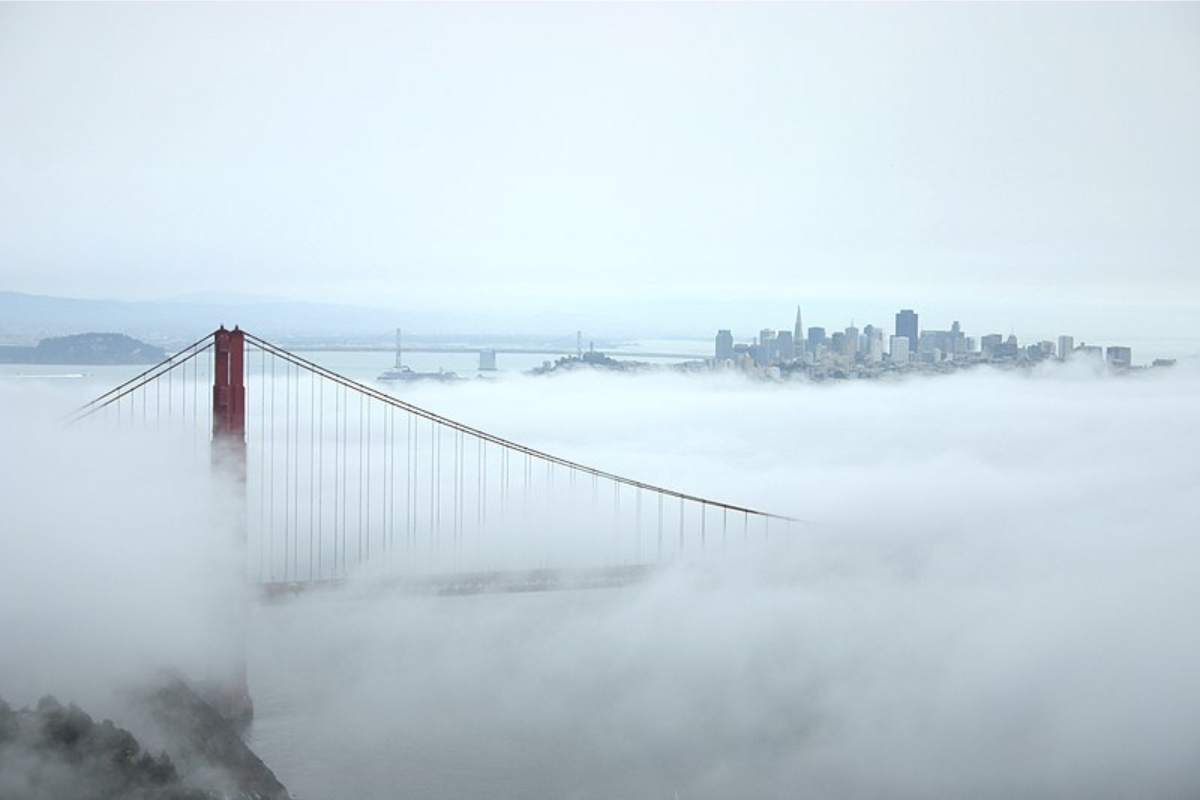
As September draws to a close, the San Francisco Bay Area typically experiences a shift in weather patterns. After the warm, dry days of late summer, the region begins settling into its classic late-September climate. This period is marked by cooler mornings, mild afternoons, and a familiar presence of fog rolling in from the Pacific Ocean. For residents and visitors alike, these changes signal the end of the warm season and a gentle return to autumn’s cooler embrace.
Unlike many parts of the world where autumn can be quite chilly, the Bay Area offers a unique blend of coastal fog and warming temperatures inland, creating a distinctive microclimate. This weather pattern is something locals have come to expect and know well. Understanding these shifts not only helps with planning daily activities but also gives insight into the natural rhythms of the region. Let’s take a closer look at what this late-September weather means for the Bay Area.
Fog’s Familiar Return Along the Coast
One of the most iconic features of late-September weather in the Bay Area is the return of fog, especially along the coast and bay fronts. The cooling of nights and the warm ocean water create ideal conditions for this thick mist to form. San Francisco, in particular, is famous for its foggy mornings and evenings during this period. According to the National Weather Service, the fog is driven by a temperature difference between the cold Pacific Ocean and the warmer land, causing moist air to condense into fog clouds.
This fog plays an important role in moderating temperatures along the coast. It keeps mornings cool and often delays the warming of the day until later afternoon. This is a welcome change for those who found late summer’s sunshine too intense. The fog also adds a mystical charm to the city’s famous landmarks like the Golden Gate Bridge and Alcatraz.

Mild Temperatures Prevail Near the Bay
Along with fog, mild temperatures are a hallmark of late September in the Bay Area. Unlike other parts of the United States where early autumn can bring sharp chills, the weather here remains pleasant and comfortable. Daytime highs usually range between 65°F and 75°F (18°C to 24°C). This makes the season perfect for outdoor activities such as hiking, biking, or simply enjoying a walk along the waterfront.
The mild weather is largely due to the ocean’s influence, which acts as a temperature buffer. The large body of water heats and cools slowly, preventing extreme temperature swings. The San Francisco Bay Area’s climate, categorized by the Köppen system as a Mediterranean climate, features wet winters and dry summers. Late September serves as a transition phase moving toward cooler, wetter months.
Warming Inland: Contrast with Coastal Areas
While fog and mild temps dominate the coast and Bay, the inland parts of the Bay Area experience a gentle warming trend during this time. Cities like Walnut Creek, Concord, and Livermore often see temperatures creeping higher, sometimes into the mid-80s°F (around 29°C). This happens because the cooling effect of ocean fog is much weaker farther from the coast, allowing inland areas to heat up more during the day.
According to weather reports from Bay Area Meteorology services, this warming inland often brings clear skies and sunny weather, making it an ideal time for vineyard tours in the nearby wine country regions like Napa and Sonoma. The contrast between cool coastal fog and warmer inland conditions highlights the Bay Area’s diverse microclimates that are enjoyable throughout the year.

What Does This Mean for Daily Life?
For locals and tourists, understanding these typical late-September weather conditions can help in planning. For instance, layering clothes is important as mornings might be chilly and foggy, while afternoons could be pleasantly warm. Coastal fog can reduce visibility for morning commuters, so drivers should stay alert. Outdoor event planners often schedule activities in the afternoon when the sun typically breaks through the fog.
Moreover, this time of year is less prone to extreme heat or heavy rains, making it one of the nicest periods to explore the outdoor attractions. The famous Bay Area beaches, parks, and landmarks become especially inviting in the autumn sun. Knowing this typical pattern enriches the experience—whether you’re a first-time visitor or a lifelong resident.
Looking Ahead: What to Expect in October
Looking beyond September, October often continues with similar weather, featuring foggy mornings along the coast and warm, sunny afternoons inland. However, as the month progresses, nighttime temperatures begin to drop further, signaling the real approach of fall. For more detailed forecasts, residents turn to sources like National Weather Service Bay Area forecast or The Weather Channel.
In general, the Bay Area’s late-September climate is a delightful blend of cool coast and warm inland, fog and sunshine. It’s a reminder of the region’s unique geographic and climatic setup, enjoyed by all who live in or visit this beautiful part of California.