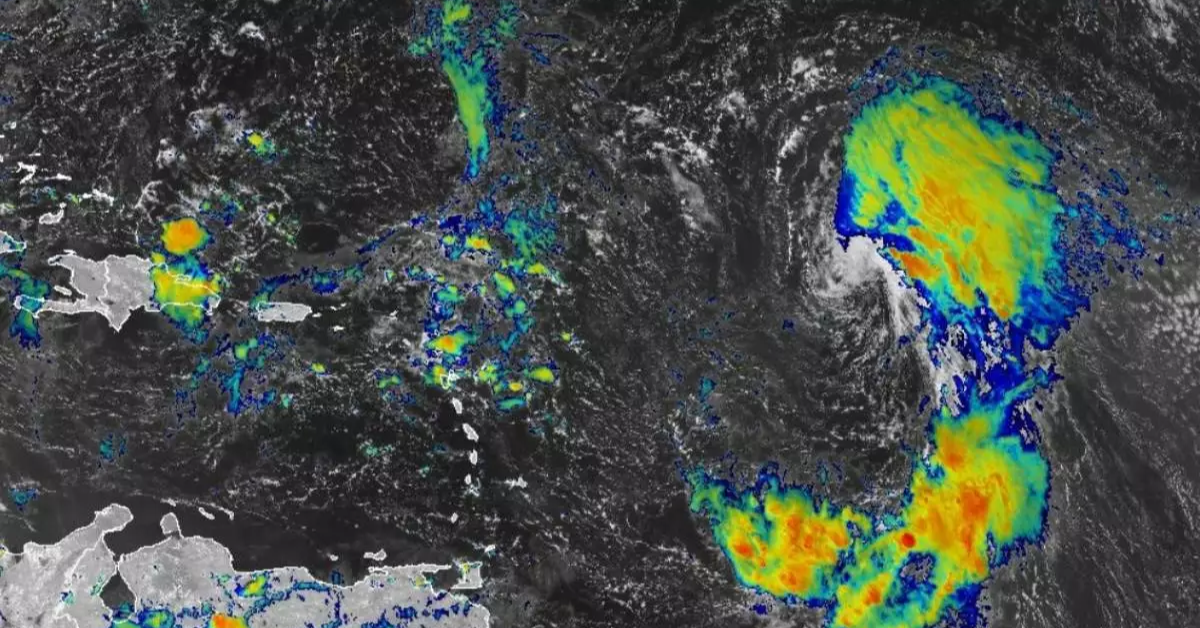
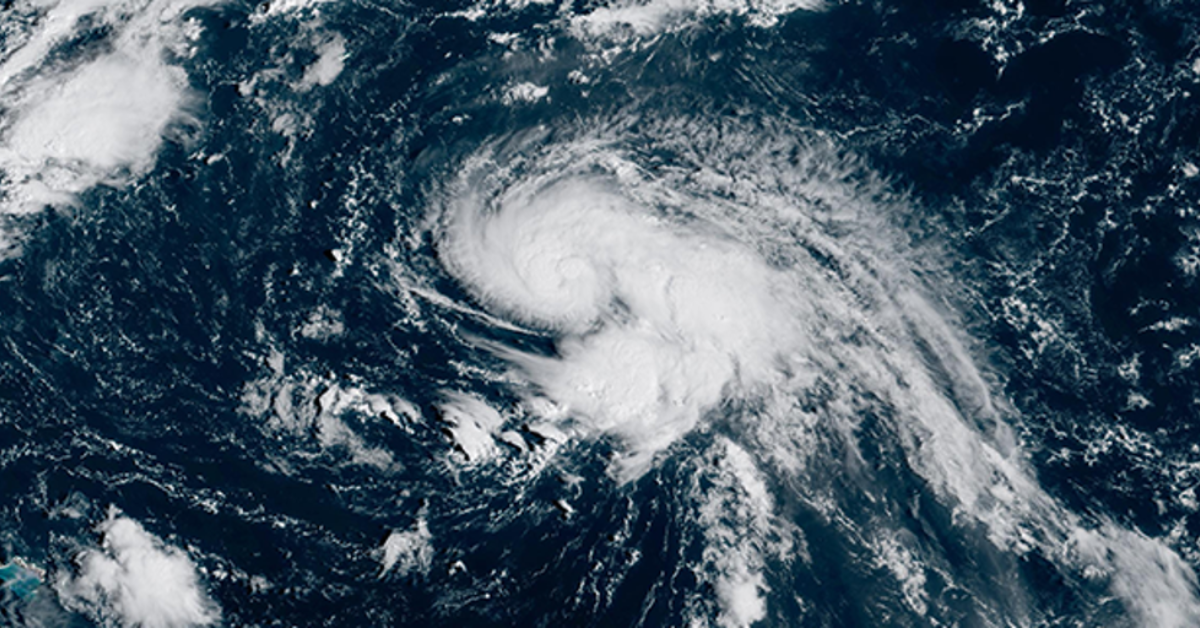
The 2025 Atlantic hurricane season is already heating up as Gabrielle has rapidly strengthened into a hurricane. This marks the second named storm and first hurricane of the season, capturing attention from meteorologists and coastal residents alike. Although the Atlantic season officially begins in June, early activity is not unusual and highlights the importance of staying prepared throughout the months ahead.
With Gabrielle intensifying, many are closely monitoring its path and potential impact. Advanced weather tracking tools provide real-time updates, helping communities stay ahead of any threats. In this article, we’ll dive into the details of Gabrielle’s development, its expected trajectory, and what it means for areas along the Atlantic coast.
How Gabrielle Became a Hurricane
Gabrielle formed from a tropical wave moving through the warm waters of the Atlantic Ocean. Favorable conditions such as warm sea surface temperatures and low wind shear helped the storm grow stronger. By early August, Gabrielle gained enough strength to be classified as a hurricane, with sustained winds reaching at least 74 miles per hour.
According to the National Hurricane Center (NHC), Gabrielle’s rapid intensification was due to these ideal environmental factors combined with a well-organized storm structure. These elements allowed the storm to quickly strengthen, making it the second major system of the year following Tropical Storm Ana earlier in July (NHC official website).
Gabrielle’s Current Position and Forecast
As of the latest update, Gabrielle is located over the central Atlantic Ocean, moving west-northwestward. Forecast models suggest it will continue on this path, potentially approaching the southeast coast of the United States within the next several days. It is currently tracked using satellite imagery and reconnaissance aircraft, providing accurate data for weather agencies.
Experts from the Weather Channel note that while it is too early to predict with certainty the exact landfall location or intensity upon arrival, residents in vulnerable regions should stay alert and prepare for possible disruptions caused by strong winds and heavy rainfall (Weather Channel Updates).
Safety Measures and Preparedness Tips
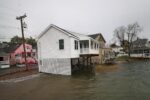
With hurricane season in full swing, staying safe and informed is crucial. Authorities recommend having an emergency kit ready, including essentials like food, water, medications, and important documents. Planning evacuation routes and staying updated through official sources can help prevent last-minute panic in case Gabrielle or other storms pose a threat to coastal communities.
Young people and families are encouraged to participate in preparation activities and understand the risks associated with hurricanes. Schools and community centers often provide valuable information to help everyone be ready. The Federal Emergency Management Agency (FEMA) offers resources for disaster readiness that can be accessed online.
What to Watch for in the Coming Days
The coming days will be important to watch Gabrielle’s movement and evolution. Updates from the National Hurricane Center and trusted news outlets will provide the latest forecasts. If Gabrielle strengthens further or changes course, alert systems will notify residents in potentially affected areas.
While Gabrielle is a reminder of the power of nature, it also shows how advancements in meteorology help us track and prepare for weather events more effectively than ever. Understanding the science behind hurricanes and trusting verified sources ensures everyone can stay safe during the Atlantic hurricane season.