
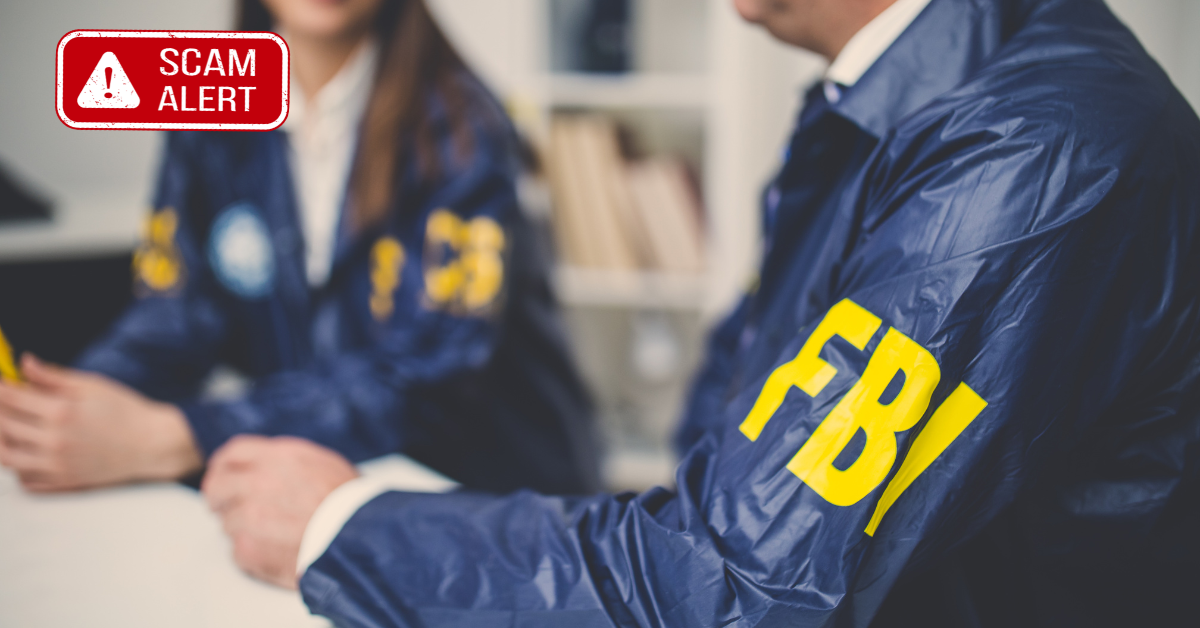
Scammers pretending to be FBI agents are tricking innocent people into giving away their money. These fraudsters use fear and clever lies, making their victims believe they are in serious trouble with the law. Unfortunately, many fall for these scams because the calls sound real and urgent. Knowing how these scams work can help you protect yourself and your loved ones from losing money.
This article will explain the common tricks used in fake FBI scams, how to spot them, and what steps to take if you are targeted. It’s important to stay informed because these scams are happening not just in the United States but affecting people worldwide, including in India. Learning from trusted sources like the FBI’s official website and other government agencies can keep you safe.
What Is a Fake FBI Scam?
A fake FBI scam is when criminals pretend to be agents from the Federal Bureau of Investigation (FBI) to scare victims. They usually call or send emails claiming you are involved in illegal activities or there is a warrant for your arrest. The scammers demand money to avoid arrest or other legal trouble. This money is often requested as gift cards, wire transfers, or cryptocurrency, which are hard to trace.
According to the official FBI website, these scammers often threaten victims with jail time if they do not pay immediately. They use fake caller IDs that show the FBI’s number to seem more convincing. Remember, the real FBI will never ask for payment over the phone.

How Do Scammers Trick You?
Scammers use fear and urgency to confuse and pressure you. Their script usually starts with a serious warning about criminal charges or a federal investigation. They may say your bank account has been compromised or you are linked to a crime. Because people worry about their reputation or freedom, many listen without questioning.
They also use technology to fake caller IDs, making it appear that the call is coming from a legitimate FBI number. Some even have scammers use official-sounding language and background noises similar to those heard in government offices. This makes the scam more believable.
The Federal Trade Commission (FTC) warns that these calls often demand payment via non-traditional methods like prepaid gift cards or wire transfers because those payments are harder to trace and recover.
Signs of a Fake FBI Scam Call
There are several key signs that can help you recognize a fake FBI scam:

- The caller demands immediate payment or threatens arrest.
- They ask for payment through gift cards, wire transfers, or cryptocurrency.
- They refuse to give you a call-back number that can be verified.
- The caller is unprofessional or speaks in a rushed, threatening tone.
- They ask for your personal information like your bank details or Social Security number.
If you experience any of these signs, it is important to stay calm and not provide any personal information. The real FBI does not operate like this.
What to Do If You Receive a Scam Call
If you get a fake FBI scam call, hang up immediately. Do not share any personal or financial details. Then, report the call to your local police and file a complaint with the Internet Crime Complaint Center (IC3). Reporting these scams helps authorities track criminals and protect others.
Also, talk to family and friends about these scams, so they are not caught unaware. Installing call-blocking apps and registering your phone number on the National Do Not Call Registry can reduce scam calls.
How to Protect Yourself From Future Scams
Stay informed and cautious. Always verify caller information by contacting official agencies directly through their official websites or known phone numbers. Never trust an urgent demand for payment or personal information over the phone. Be skeptical of anyone who pressures you for money quickly.

You can also check resources provided by the FBI and FTC regularly to learn about new scam tactics and updates. Remind yourself and others that legitimate government agencies will never ask for payment this way.
Conclusion: Stay Alert and Stay Safe
Fake FBI scams are a serious threat but can be avoided by understanding how scammers operate. Do not let fear push you into making quick decisions. Always verify and report suspicious calls. Protecting yourself and your family starts with awareness and cautious communication.
Remember, the FBI and other agencies provide helpful information online to keep you safe. Use these trusted sources to stay one step ahead of scammers and never let fake threats steal your money.