Indiana’s weather could see some big changes this fall and winter due to the return of La Niña. This natural climate pattern affects different parts of the world, including the United States. It happens when the surface water in the Pacific Ocean cools down more than usual. This cooling then influences weather patterns across the globe.
For people living in Indiana, the comeback of La Niña means they need to prepare for potentially colder and wetter conditions. Understanding these changes can help you stay safe, save money on heating bills, and plan your daily activities better. Let’s explore what La Niña is and how it might affect Indiana’s weather in the coming months.
What is La Niña and How Does It Work?
La Niña is part of a climate phenomenon known as the El Niño-Southern Oscillation (ENSO). While El Niño is the warm phase, La Niña is the cold phase. During La Niña, cooler ocean temperatures in the central and eastern Pacific Ocean push weather patterns around the world to change. This can lead to unusual weather in many places, including the United States.
The National Oceanic and Atmospheric Administration (NOAA) explains that La Niña can bring cooler and wetter weather to the northern United States, while the southern US often experiences warmer and drier conditions. Because Indiana lies in the Midwest, it may see an increase in rainfall and possibly colder temperatures this fall and winter. You can check NOAA’s ENSO updates for the latest information on this shifting weather pattern.
Impact of La Niña on Indiana’s Fall Weather
In the fall months, La Niña often causes cooler and wetter conditions in Indiana. Farmers and gardeners should watch the weather closely, as more rain can delay harvests and affect crops. The cooler temperatures might also mean that leaves could change color a bit later than usual compared to previous years.
The increased rainfall can sometimes lead to minor flooding, especially in low-lying areas. Local weather experts recommend staying updated on forecasts and preparing small flood protection measures if you live near rivers or flood-prone areas. According to The Weather Channel, La Niña’s influence on the Midwest tends to bring more storm systems that produce rain and snow in cooler seasons.
Winter Weather: What Indiana Should Expect
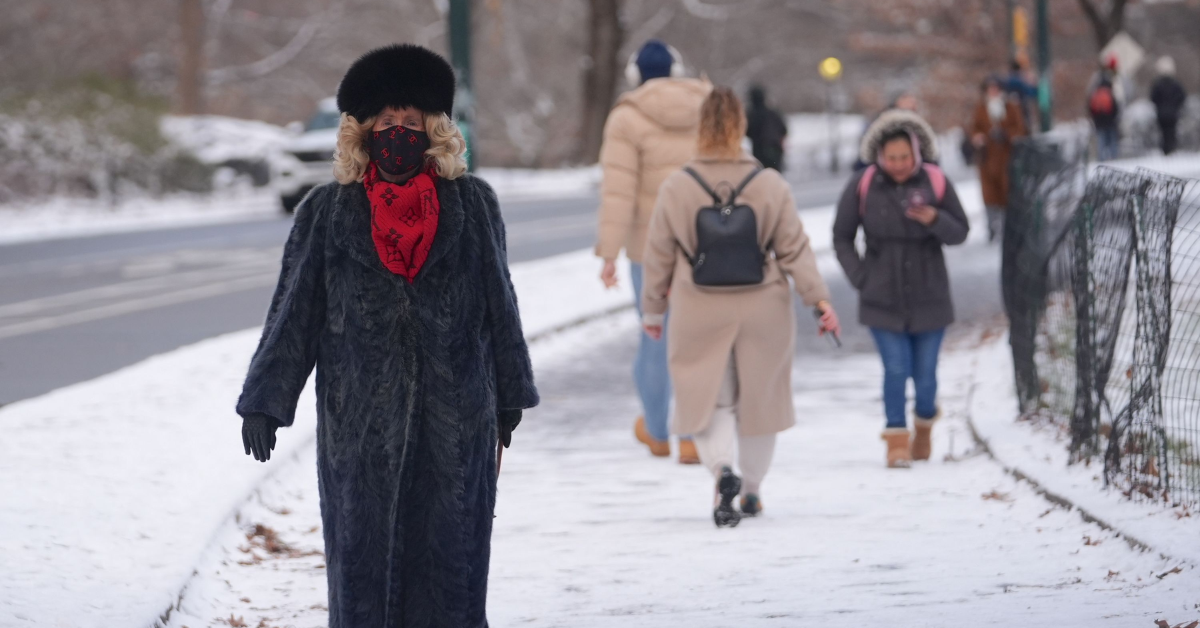
As winter approaches, La Niña usually makes the northern and central United States colder and snowier than average. For Indiana, this could translate to longer cold spells and heavier snowfall. It’s important for residents to prepare for icy roads and potential power outages during strong winter storms.
The Farmers’ Almanac also suggests that a La Niña winter in Indiana often means below-average temperatures, which can last well into early spring. This could affect heating expenses, daily school and work plans, and outdoor activities like winter sports. Keeping a winter emergency kit at home is recommended during La Niña years.

How to Stay Prepared During La Niña Seasons
To handle the changes La Niña might bring, Indiana residents can take some simple steps. Make sure your home is weather-proofed—check windows, doors, and heating systems. Keep an eye on weather forecasts from reliable sources like the National Weather Service or NOAA to get timely alerts.
It’s also wise to have emergency supplies ready, including food, water, medications, and warm clothing. Families should plan for travel carefully, as snow and rain can cause road delays and hazards. Staying connected with community weather updates can help you respond quickly to any sudden weather problems.
The Bigger Picture: Why Understanding La Niña Matters
La Niña’s return is not just about Indiana’s weather; it’s part of a larger global climate system. This natural cycle helps scientists predict weather months in advance, which is vital for agriculture, energy management, and disaster preparedness. Understanding La Niña helps us learn how weather systems are connected worldwide.
For young readers especially, learning about La Niña can inspire curiosity about nature and science. It highlights the importance of paying attention to the environment and being ready for changes. Keeping informed about La Niña through resources like NOAA and The Weather Channel can make a big difference for families and communities.
Indiana’s weather is about to get interesting with La Niña back in action. Staying informed, prepared, and connected will help everyone get through the upcoming fall and winter safely and comfortably.