Boston, Massachusetts — Large portions of the United States could face extreme cold during the holiday season, as forecasters warn that some of the coldest air on Earth may surge south from Canada into the central and eastern U.S. later this month.
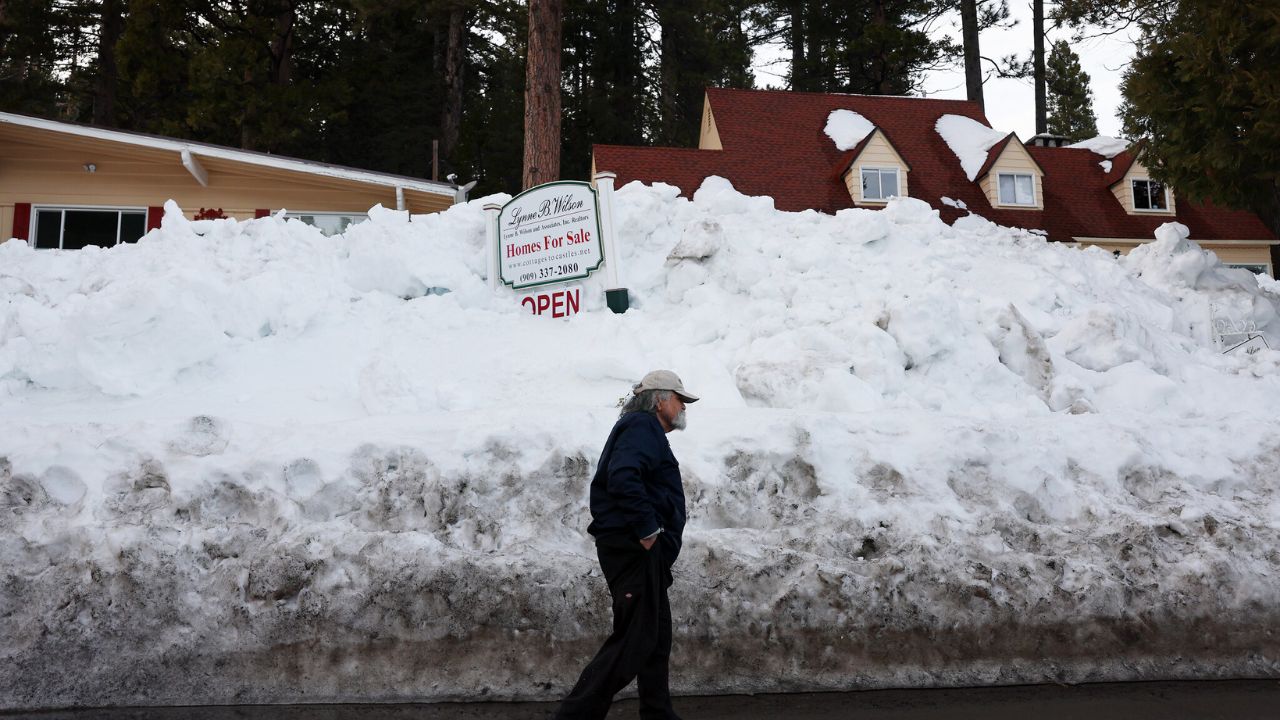
According to the National Weather Service Climate Prediction Center (CPC), temperatures are expected to run below normal from Montana to Maine, with the cold extending as far south as Missouri. The outlook points to a sharply colder-than-average December for much of the Northeast and Midwest, raising concerns about travel disruptions, record-breaking lows, and dangerous wind chills.
Polar vortex expected to drive Arctic outbreak
Meteorologists say the growing threat is tied to the polar vortex, a massive area of low pressure and frigid air that typically circles the Arctic during winter.
When the vortex weakens or shifts, it can allow Arctic air to spill southward into the United States, producing prolonged and intense cold spells.
Climatologist Judah Cohen, a visiting scientist at MIT, said advanced forecasting models are signaling a major cold event later this month.
“Our AI subseasonal model, which I can credibly claim as the world’s best, is predicting that the most expansive region of most likely extreme cold on Earth stretches from the Canadian Plains to the U.S. East Coast during the third week of December,” Cohen wrote on X.
Forecasters say this setup could align with the holiday travel period, increasing the potential for widespread impacts.
Record cold possible in Midwest and Mid-Atlantic
Some areas may feel the cold even sooner. The Weather Prediction Center (WPC) warned that record-breaking temperatures are likely Thursday and Friday across parts of the Midwest and Mid-Atlantic.
“Record cold low temperatures (and cold high temperatures) are likely Thursday and Friday from the Corn Belt eastward to parts of the Mid-Atlantic,” the center said in its extended forecast discussion.
Low temperatures ranging from 5 to 20 degrees below zero are forecast from the northern Plains through the Northeast by Friday, according to WPC projections.
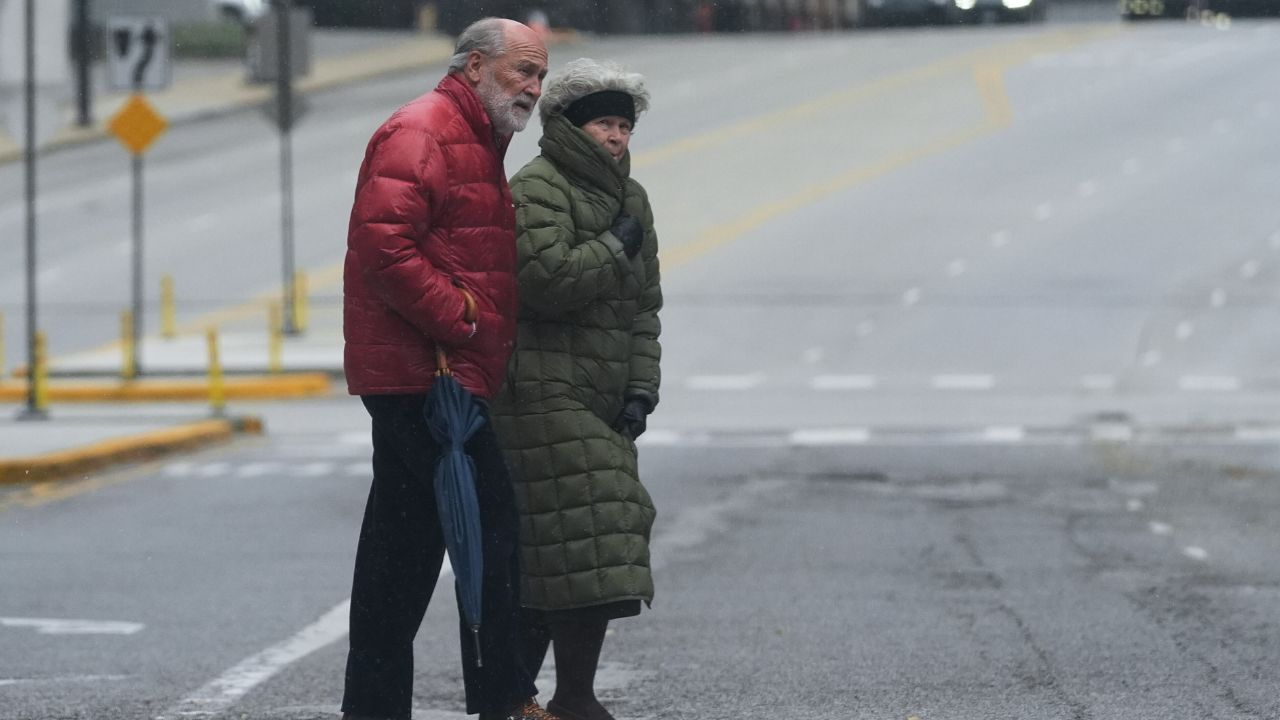
Such temperatures pose risks of frostbite and hypothermia, especially for people exposed to the cold for extended periods.
Brief moderation before another cold surge
While forecasters say a second cold surge may arrive over the weekend, it could be less intense than the first wave.
The Weather Prediction Center noted that the next round of cold air will “perhaps be of lesser magnitude,” though conditions are still expected to remain well below normal for mid-December.
Meteorologists caution that even a weaker surge can still bring dangerous wind chills and icy conditions, particularly when combined with snow.
Snow chances increase in multiple regions
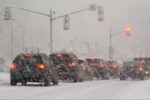
Alongside the cold, parts of the U.S. could also see snowfall during the coming days.
A storm system delivering heavy rain to the Central Gulf Coast on Thursday is expected to move northward. As it does, colder air could allow rain to mix with or change to snow in northern areas.
“The system in the Southeast early this weekend will lift out to sea by Sunday, but may still spread some light precipitation on its northern side across the Mid-Atlantic and perhaps New England,” the WPC said.
Read Also: Snow Band Stretches From Montana to Pennsylvania Through Sunday, Impacting More Than a Dozen States
Great Lakes and Northwest face additional snow
Other regions are also dealing with wintry conditions.
The Weather Prediction Center said lake-effect snow will continue across parts of the Great Lakes on Thursday before tapering off Friday. Accumulations could still impact travel in snowbelt communities.
Meanwhile, the Pacific Northwest is expected to see multiple systems moving in from the Pacific.

“Several Pacific systems will push into western Canada with trailing rain and snow over Washington and Oregon, and eastward into the Northern and Central Rockies,” the center said.
Holiday impacts possible
Forecasters stress that while long-range outlooks can change, the signals for significant cold during the holiday season are strong.
If the projected Arctic air mass materializes, millions of Americans could face dangerously low temperatures, higher heating demand, and possible disruptions to travel plans.
Officials urge residents in colder regions to monitor forecasts closely, prepare for extreme cold, and take precautions to protect homes, pets, and vulnerable individuals.
As winter patterns continue to evolve, meteorologists say the coming weeks could bring some of the coldest conditions of the season — right as the holiday period begins.
How cold is it expected to get where you live, and are you preparing for a potential deep freeze? Share your thoughts in the comments below.