
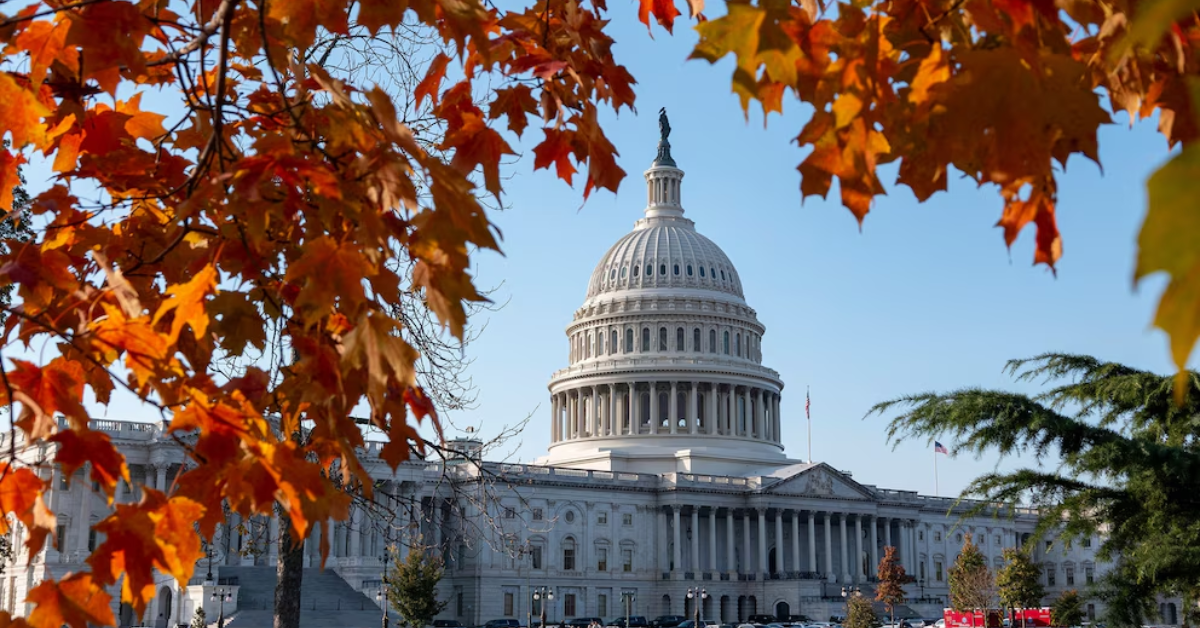
As we step into the fall season, most parts of the United States are set to enjoy warmer-than-usual weather. The National Oceanic and Atmospheric Administration (NOAA) has forecasted above-average temperatures for much of the country, especially in the Southwest and New England regions. This means that, instead of the crisp chills typical of autumn, many areas may experience mild and pleasant conditions, making it great for outdoor activities and travel.
For younger readers and those hoping to plan their fall adventures, this warm trend might come as a surprise. While some regions expect a more traditional cool-down, the overall warmth could affect how people prepare for the season—from what they wear to the kinds of events they attend. Understanding this shift is essential for adapting daily plans and enjoying the season comfortably.
NOAA’s Forecast Highlights Warmer Weather in Southwest and New England
The latest forecast from NOAA points out that the Southwest, including states like Arizona and New Mexico, will experience notable warmth throughout autumn. This region typically enjoys plenty of sunshine, but this fall’s above-average temperatures could stretch the warm days even longer. Similarly, New England, known for its colorful fall foliage and cooler air, will also see warmer patterns than usual, potentially affecting the way locals and tourists experience the season.

According to the NOAA’s official statement, this shift in temperature is linked to larger climate patterns affecting the U.S., including changes in ocean temperatures and atmospheric conditions. These factors combine to create weather that strays from the traditional autumn chill many expect.
What Does Warm Fall Mean for Everyday Life?
Warm fall temperatures can have several effects on daily activities. For students and young adults, the change could mean more opportunities to enjoy outdoor sports and nature trips without bundling up. On the other hand, warmer weather can shorten the fire season’s end in some Southwest areas, leading to increased wildfire risks that communities must prepare for.
Farmers and gardeners may also notice shifts in growing seasons, as the warmth can affect crops and plant behavior. Those planning fall festivals or holiday events should consider these weather changes to ensure safety and comfort. Understanding these impacts helps communities and individuals make better decisions as the season progresses.

Climate Change’s Role in Shaping This Season’s Weather
The unusual warmth expected this fall is part of a larger trend influenced by climate change. Scientists explain that rising global temperatures are causing more frequent and intense weather shifts around the world. This includes warmer falls and springs, altering natural cycles and ecosystems.
The Climate.gov analysis discusses how neutral phases of El Niño and La Niña, combined with global warming, are making seasons less predictable. For many young people, understanding these changes is vital as they grow up in a world where climate conditions continue to shift.
Tips to Stay Comfortable During the Warm Fall
If you live in or plan to visit warmer parts of the U.S. this fall, here are some helpful tips to stay comfortable. Wearing lighter layers instead of heavy jackets can make daily routines easier. Staying hydrated remains important, even if the sun feels mild. Also, be sure to check local weather updates regularly to stay informed about any extreme weather events, such as wildfires or sudden storms.

For families and outdoor enthusiasts, adjusting plans to take advantage of warm afternoons or cooler evenings can maximize enjoyment. Embracing this different kind of fall can lead to memorable experiences that break from the usual cold-weather routine.
Conclusion: Embracing the Changing Season
This fall’s warm trend across much of the U.S., especially in the Southwest and New England, reminds us how dynamic and changing our climate has become. NOAA’s forecasts provide valuable information to help us prepare and adapt, whether for daily life, recreation, or work. Staying informed and flexible will allow everyone, including young readers, to enjoy a season full of opportunities despite the warmer temperatures.