
California is witnessing a troubling surge in COVID-19 hospitalizations and deaths as vaccine rollouts slow down and restrictions on vaccine access tighten. Despite earlier progress, the state is now grappling with increased cases that have put a strain on healthcare systems. This rise is a wake-up call for both residents and authorities about the critical importance of vaccination and timely medical care.
The growing number of severe cases highlights how crucial it is for communities to stay vigilant. The limited availability of vaccines and tightened eligibility rules have made it harder for some people to get vaccinated quickly, contributing to the spike in infections. Understanding the current situation in California can help younger audiences and families worldwide learn the importance of vaccinations and safety measures.
What Is Causing the Increase in Hospitalizations and Deaths?
The main factors driving the surge in COVID-19 hospitalizations and deaths in California are the restricted access to vaccines and the rapid spread of new variants. Many counties have tightened who can receive vaccines, prioritizing older or vulnerable populations, meaning that younger and healthy individuals may face delays. This limited access leaves more people unprotected and vulnerable to severe illness.

According to the California Department of Public Health, hospital admissions related to COVID-19 have doubled in recent weeks, while deaths have also shown a worrying increase. Experts from the Centers for Disease Control and Prevention (CDC) emphasize that slower vaccination rates can contribute directly to higher hospitalization and mortality numbers, especially with more contagious variants circulating.
How Are Healthcare Systems Responding?
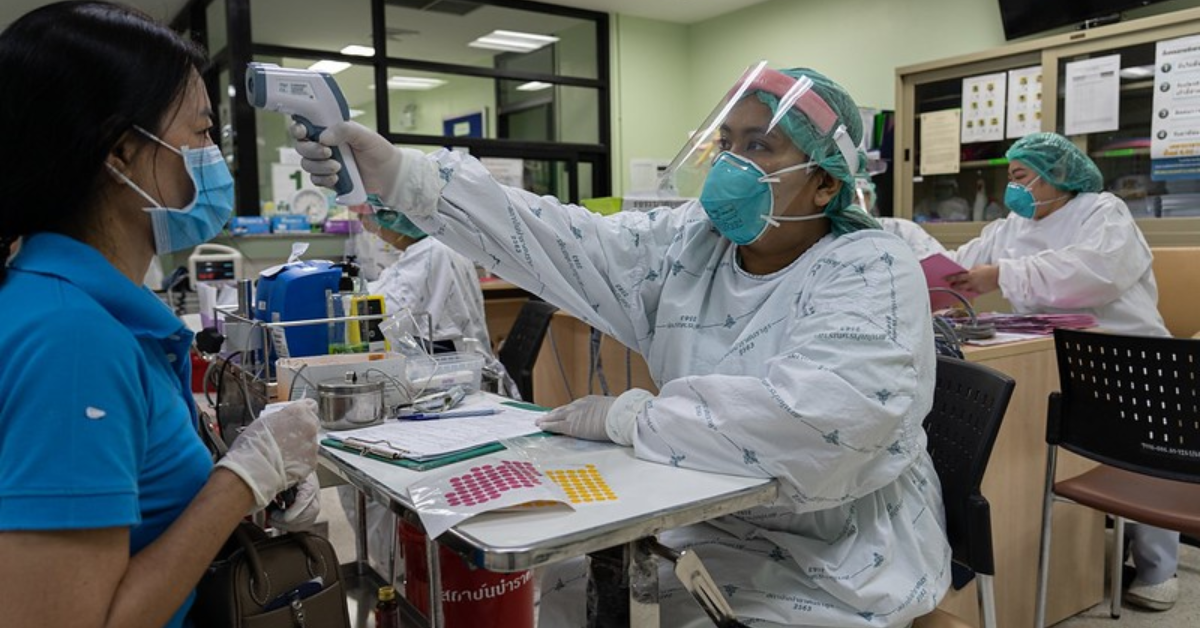
Hospitals across California are feeling the pressure from growing COVID-19 cases. Many medical centers report increased occupancy in intensive care units, making it difficult to provide care for all patients. Staff shortages and resource limitations add to the challenge, with healthcare workers facing burnout.
The healthcare system’s struggle highlights the importance of vaccination not only to protect individuals but also to ease the burden on hospitals. Local governments are urging the public to adhere to safety guidelines such as mask-wearing, social distancing, and timely vaccination to control the spread and reduce strain on medical facilities.

Why Vaccine Access Is Becoming More Difficult
One reason vaccine access has tightened in California is due to limited supplies and prioritization rules aimed at protecting the most vulnerable first. Additionally, new policies have sometimes restricted vaccine eligibility to older age groups or those with pre-existing health conditions to control demand. While well-intentioned, these steps have inadvertently slowed vaccination for many younger and at-risk groups.
Furthermore, misinformation and vaccine hesitancy are also contributing factors. Younger audiences may underestimate their risk of serious illness and delay getting vaccinated, which can increase community spread. Trusted sources like the World Health Organization (WHO) and CDC recommend vaccination for virtually all age groups to curb the pandemic effectively.
What Can You Do to Stay Safe?
Staying informed and proactive is key to protecting yourself and your loved ones. If you are eligible, schedule your COVID-19 vaccination as soon as possible. Don’t wait for eligibility expansions—check with local health departments for updates and community programs that may offer vaccines to various age groups.

Also, continue following all recommended safety measures, such as wearing masks in crowded or indoor settings, practicing good hand hygiene, and maintaining social distance. These simple steps can reduce your risk and help slow the virus’s spread in your community.
Conclusion: A Call to Action for Communities
The doubling of COVID-19 hospitalizations and deaths in California serves as an urgent call to action. By improving vaccine access and encouraging vaccination among all age groups, especially younger populations, the state can work toward controlling the crisis. Health officials, parents, and young people have a shared role in promoting vaccination and staying committed to safety guidelines.