Traveling with pets can be a fun and rewarding experience, but it also comes with the responsibility of ensuring their safety. If you are wondering whether it is legal or safe to tie a dog to the roof of your car while driving in Alaska, you are not alone. Many people have questions about the laws protecting animals and the potential dangers involved in transporting pets in unconventional ways.
In this article, we will look at the legal status of this practice in Alaska, the risks it poses to your dog, and better alternatives for safely traveling with your pet. This information is vital whether you live in Alaska or are planning a road trip through the state with your furry friend.
What Does Alaska Law Say About Tying Dogs to Vehicles?
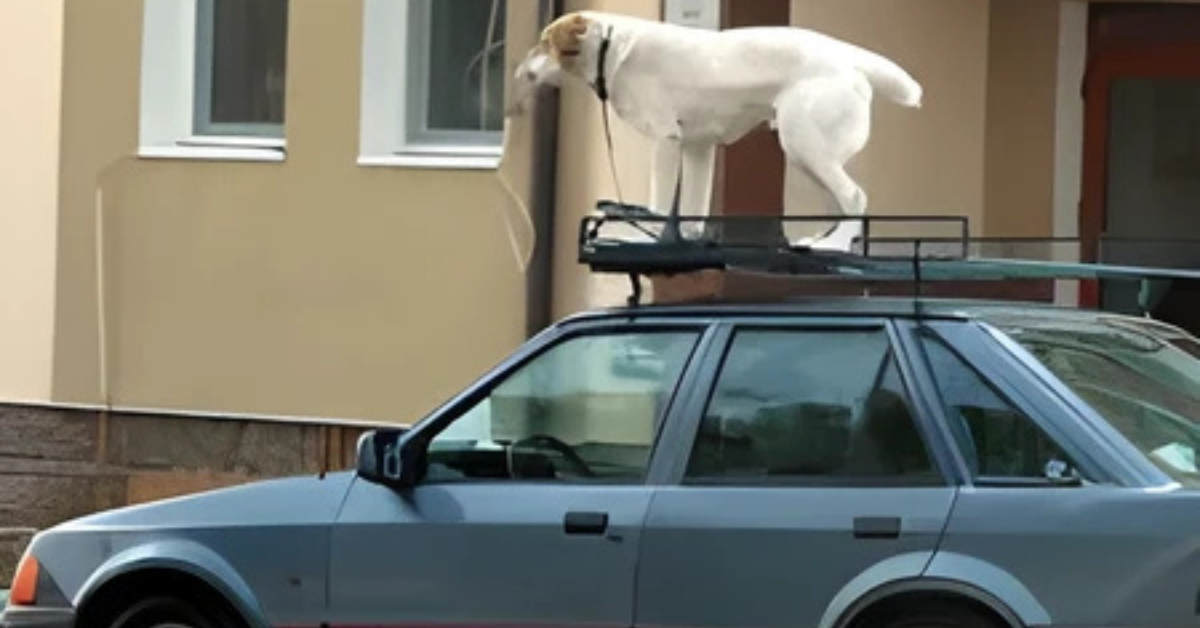
According to Alaska Statutes, tying a dog to the roof or any part of a moving vehicle is considered animal cruelty and is illegal. The state has strict laws aimed at protecting animals from mistreatment, including laws against transporting them in dangerous or harmful conditions. The Alaska Department of Law explicitly advises against this practice, considering it unsafe and abusive.
The law under Alaska Stat § 11.61.510 states that cruelty to animals includes causing unnecessary suffering, and transporting a dog tied to the roof of a car can undoubtedly cause distress, injury, or worse. Additionally, the Alaska Humane Society strongly emphasizes that securing pets inside the vehicle, not outside, is the safest and most humane way to travel with animals.

Why Is Tying a Dog to the Roof of a Car Dangerous?
Tying a dog to the roof of a car poses severe risks. High speeds and road wind can cause respiratory issues, eye injuries, and extreme stress for the dog. There is also the danger of the dog falling or getting hit by debris. These risks can lead to serious injury or death, which is why such acts are condemned by animal welfare organizations.
Experts recommend securing your pet inside the vehicle, using proper restraints, crates, or specially designed pet carriers. This provides protection from sudden stops, collisions, and weather conditions. The American Veterinary Medical Association (AVMA) provides guidelines for transporting pets safely, recommending against exposing them to the outside of moving vehicles due to injury risks and emotional trauma.
Legal Consequences for Violating the Law
Breaking Alaska’s animal cruelty laws by tying a dog to the roof of a car can result in fines, criminal charges, and even jail time depending on the severity of the offense. Repeat offenders may face more severe penalties. Law enforcement takes animal protection seriously, and penalties serve as a deterrent against such dangerous behavior.
Furthermore, if an accident occurs involving an improperly secured pet, the driver can also be held liable for additional traffic violations or endangerment charges. Protecting your pet’s welfare is not just humane but also the law in Alaska.

Better Alternatives for Traveling Safely with Your Dog
If you plan on driving with your dog in Alaska, here are some safer ways to transport your pet:
- Use a secured crate or carrier inside the vehicle.
- Use a pet seatbelt or harness attached to the car’s seatbelt system.
- Place your dog in the back seat rather than the front for safety.
- Ensure proper ventilation and never leave your dog unattended in the vehicle.
These methods prevent injuries and keep your dog calm and comfortable during the journey.
Conclusion
Tying a dog to the roof of your car while driving in Alaska is illegal and extremely dangerous. The state’s animal cruelty laws protect pets from such unsafe practices. To ensure your dog’s safety, always use proper restraints or crates inside the vehicle and follow guidelines from trusted sources such as the Alaska Humane Society and the American Veterinary Medical Association.
Traveling with your dog can be enjoyable when done responsibly and with care for your pet’s well-being. Avoid risky behaviors and embrace safe, legal ways to transport your furry friend.