
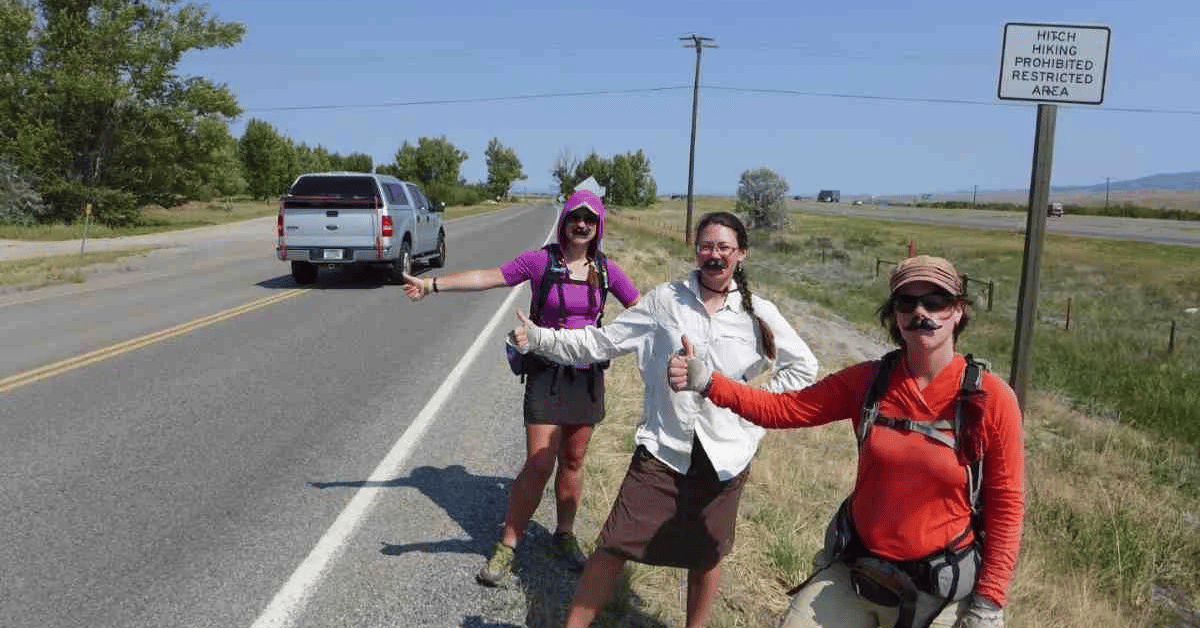
If you are planning to visit Colorado or are a local wondering about hitchhiking, you might ask, “Is it illegal to hitchhike on Colorado roads?” Many travelers and young people view hitchhiking as a free and adventurous way to get around. However, legal rules about hitchhiking can vary widely by state. So, understanding the specific laws in Colorado is very important for safety and to avoid trouble with law enforcement.
This article will explain the rules about hitchhiking in Colorado clearly and simply. You will learn where you can and cannot hitchhike, what precautions to take, and helpful tips to stay safe. By the end, you will have a good idea of whether hitchhiking is a good idea for your trip to Colorado or not.
Is Hitchhiking Legal or Illegal in Colorado?
In Colorado, hitchhiking itself is generally legal, but with important restrictions. The state law does not outright ban hitchhiking on all roads, but prohibits it in certain risky places. For example, it is illegal to stand in the roadway or on highways where pedestrians are not allowed for hitchhiking purposes. According to the Colorado Department of Transportation, hitchhikers should only stand on the side of the road, not on the highway or interstate, where it is unsafe and prohibited.

Moreover, some local cities may have their own regulations limiting or banning hitchhiking in specific areas. It is wise to check local rules if you plan to hitchhike in a city. The general advice is to avoid major highways like interstates where speeds are high and stopping is unsafe.
Where Is It Safe and Legal to Hitchhike in Colorado?
The safest and most legal places to hitchhike in Colorado are non-interstate roads with wide shoulders or rest stops. Finding a well-lit, safe area where drivers can pull over without danger is best. Popular spots include gas stations or parking lots near major roads but not on the highway itself. Hitchhikers should also wear visible clothing and use clear hand signals to indicate they need a ride.
Stopping on busy highways is risky and often illegal under Colorado law, which prohibits pedestrians on interstate highways (source: Colorado Revised Statutes, Title 42). Sticking to urban or suburban streets with lighter traffic is a safer option.

Safety Tips for Hitchhiking in Colorado
Although hitchhiking is legal in many parts of Colorado, there are safety concerns to consider. Hitchhiking always involves risks because you rely on strangers. Here are some essential safety tips:
- Tell a friend or family member your planned route and check in regularly.
- Use a phone or GPS device to stay aware of your location.
- Trust your instincts—if a driver seems unsafe, don’t get in the car.
- Wear bright clothes to be visible to drivers, especially at dusk or night.
- Avoid hitchhiking alone in very remote or isolated areas.
Following these steps increases your safety while hitchhiking.
What Do Authorities Say About Hitchhiking?
The Colorado State Patrol and local police generally discourage hitchhiking due to safety concerns. According to the National Highway Traffic Safety Administration (NHTSA), hitchhiking is risky for both drivers and pedestrians because it can lead to accidents or other dangers. Law enforcement may also stop hitchhikers on highways for safety reasons, even if it is technically legal on certain roads.

Understanding the local laws and respecting restrictions can help you avoid legal trouble. When in doubt, seek safer, more reliable transportation options or use ride-share services available in many Colorado cities.
Conclusion: Should You Hitchhike in Colorado?
Hitchhiking in Colorado is not fully illegal but comes with many restrictions and safety challenges. It is important to avoid highways and interstates where hitchhiking is disallowed and unsafe. Use city streets or designated safe spots, and always take safety precautions. If you are a younger traveler or new to the area, consider other transport options like buses, bikes, or ride-sharing apps.