When driving in Montana, you might wonder if honking at the police is allowed or if it could lead to legal trouble. Many people use their car horn to get attention or express frustration, but is shouting at a police officer with your horn crossing the line? This article will help you understand the laws regarding honking directed at police in Montana so you can drive with confidence and avoid unexpected penalties.
Understanding how Montana law treats honking at police officers is important for both residents and visitors. Police officers have rules to enforce, and drivers must know their rights and limits. We will look at what Montana traffic laws say about honking, possible consequences, and some useful advice about respectful driving near law enforcement.
What Does Montana Law Say About Using Your Horn?
In Montana, the use of a car horn is regulated under the state’s traffic laws. According to Montana Code Annotated § 61-8-322, drivers are required to use their horn only as a warning to prevent accidents. Excessive or unnecessary use of a horn can be considered a nuisance. The law doesn’t specifically mention honking at police officers, but if your honking is seen as disturbing the peace or being aggressive, it could be interpreted as harassment or disorderly conduct.

Could Honking at the Police Get You in Trouble?
While there is no direct law banning honking at police, it depends on the situation and intent. If honking is used aggressively or disruptively, officers might consider it disorderly conduct or reckless behavior. Law enforcement officers in Montana have the authority to issue citations for behaviors that threaten public safety or obstruct duties.
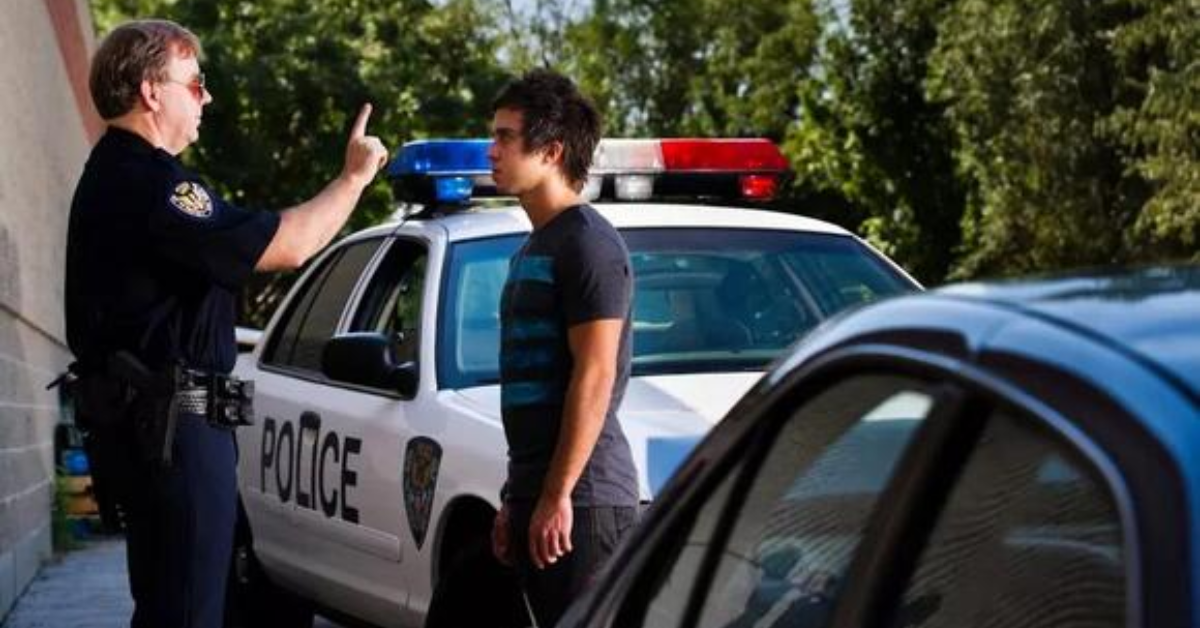
For example, if you constantly honk while police are conducting a traffic stop, this could be seen as harassment and might invite a warning or even a fine.
What Happens If You Are Caught Honking at the Police?
If you are caught honking at a police officer in a disruptive manner, you might face charges like disorderly conduct, disturbing the peace, or even obstruction of justice. Penalties can include fines, citations, or in rare cases, arrest, depending on the severity and behavior. It’s important to remember that police officers are responsible for maintaining public order, and aggressive horn use can interfere with that duty.

Legal experts from Montana’s law enforcement community recommend maintaining politeness and following traffic rules strictly. This helps drivers avoid any misunderstandings or trouble with the law (Montana Law Help).
Tips for Drivers to Avoid Problems Around Law Enforcement
To stay safe and avoid legal issues in Montana, here are a few tips for interacting with police while driving:
- Use your horn only for emergencies or warnings, not to express anger or frustration.
- Remain calm and respectful if stopped by the police or if officers are nearby.
- Avoid unnecessary noise or distractions that could be seen as aggressive behavior.
- Know your rights but also understand the importance of cooperating with law enforcement.
By following these simple suggestions, drivers can ensure a smoother experience on Montana roads and avoid conflicts with police officers.
Conclusion: Use Your Horn Wisely and Respect Montana Laws
Honking at police officers in Montana is not explicitly illegal, but it can lead to trouble if done in an aggressive or disruptive way. State laws focus on safe and reasonable horn use, so using your horn appropriately is essential. Always remember that respect and calmness around law enforcement go a long way in preventing negative outcomes.
If you want to learn more about Montana traffic rules and how to drive responsibly, check official sources regularly. Staying informed and respectful will help you have a safe and hassle-free driving experience in Montana.