Have you ever checked the weather radar and seen a heavy downpour heading your way, only to find your evening dry and sunny? It turns out, what you see on the radar is not always what happens outside. Weather radars are complex tools that sometimes show confusing signals, especially at night.
Understanding why radars occasionally show rain when there is none can surprise you. This article breaks down the mysteries behind radar rain echoes and what unusual things might be appearing on your local weather radar instead of real rain.
What Is Weather Radar and How Does It Work?
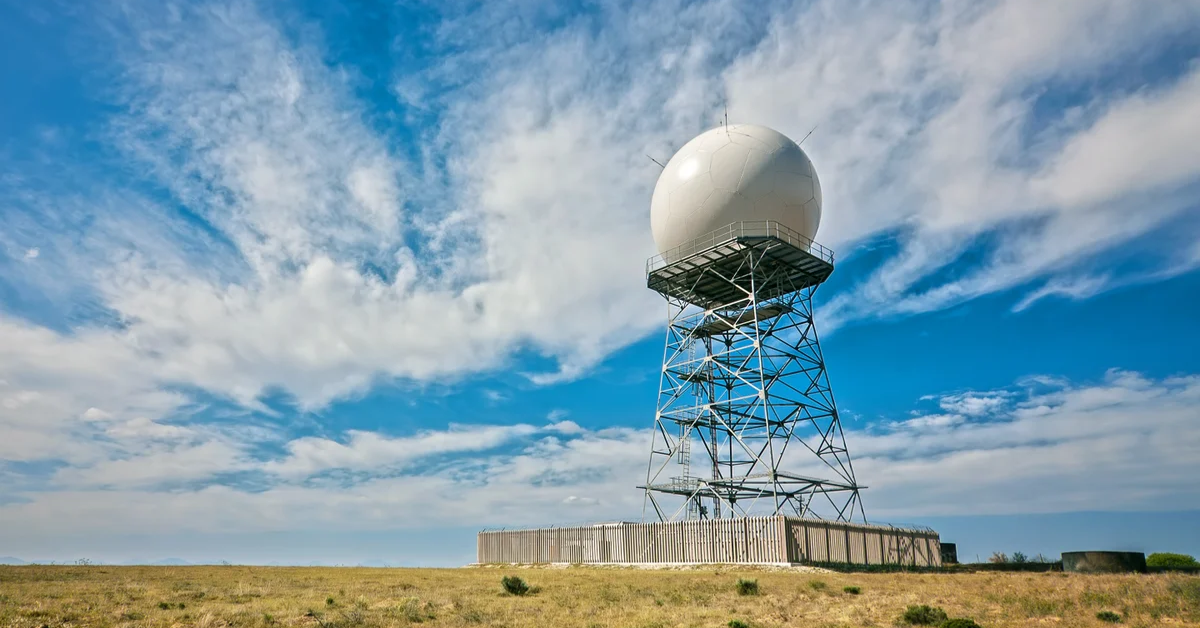
Weather radar sends out radio waves that bounce off raindrops and snowflakes, helping meteorologists track storms and rainfall amounts. The radar then creates images based on these echoes. However, sometimes these echoes don’t come from rain at all. They might be caused by other factors like birds, insects, or even objects in the atmosphere that reflect radar waves.
According to the National Oceanic and Atmospheric Administration NOAA, radars can pick up “non-meteorological” targets, meaning anything that is not weather-related but appears on radar screens.
Why Is the Radar Showing Rain When There’s None?
One common reason for false rain reports on radar is “ground clutter” or “anomalous propagation.” This happens when the radar signal bends or bounces unusually close to the ground or over objects like buildings and hills. It can make stationary objects create radar echoes that look like rain.
At night, these strange radar images can be more common because of temperature changes that cause the atmosphere to bend radio waves differently. The American Meteorological Society explains this phenomenon as a “radar duct” that traps the radar signal nearer to Earth’s surface, causing misleading echoes on the screen.
Other Surprising Things Radar Can Detect
Sometimes, radar picks up flocks of birds migrating or large insect swarms. During dawn or dusk, these animals are more active and can appear as moving blobs of “rain” on radar maps. This is called “biological radar echoes.” While they look like storms, they have nothing to do with rain.
Radar can also detect even larger objects like airplanes or weather balloons, whose metal parts reflect signals strongly. Pilots, birdwatchers, and even scientists use specialized radar data to track bird migration and insect populations.

Can You Trust Weather Radars for Nighttime Rain Forecasts?
Yes and no. While weather radars are important tools, they are not infallible, especially during the nighttime hours when atmospheric conditions can trick the radar. It’s always good to cross-check radar predictions with local weather forecasts and other sources.
Weather agencies, such as the India Meteorological Department IMD, combine radar data with satellite images and ground reports for more accurate forecasts, especially in regions like India where monsoon rains are essential and unpredictable.
How Young People Can Stay Ahead of Weather Confusion
If you’re a young person who follows weather updates for school, travel, or daily plans, here is a tip: use multiple weather apps or websites to get a better overall picture. Many apps explain the confidence level of forecasts too, helping you decide whether to carry an umbrella or not.
Also, remember that weather radar shows what is happening in the sky right now, not what will happen hours later. Sudden changes in weather require paying attention to real-time updates and trusted local meteorologists.
Conclusion
Next time the weather radar shows it’s going to rain tonight but you see clear skies, remember it might be an optical illusion created by birds, insects, or atmospheric tricks. Weather radar is a powerful tool, but like all technology, it has its quirks. By learning a little more about how radar works, you can better understand the stories behind those confusing rain echoes and trust the forecasts that matter.