In a deeply upsetting incident unfolding in Maine, a comfort dog handler is now facing legal charges after the unexpected death of a therapy dog known for providing emotional support to many. The incident has shocked the local community and raised awareness about the responsibilities involved in handling these special animals.
Comfort dogs play a vital role in helping people cope with stress, anxiety, and trauma, especially in hospitals and schools. This case highlights the importance of proper care and accountability. As details emerge, many are seeking answers about what went wrong and how such tragedies can be prevented in future.
Who Was the Comfort Dog and Handler Involved?
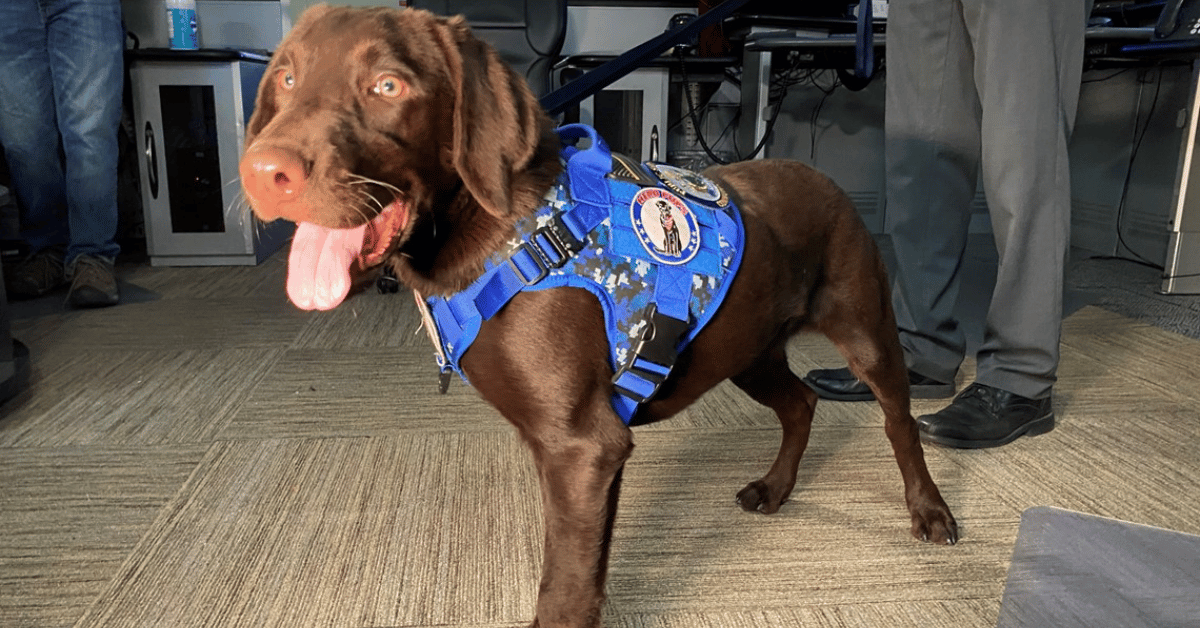
The comfort dog, named Daisy, was a well-known therapy dog who had been working with her handler across various Maine communities. Therapy dogs like Daisy are trained to provide comfort and emotional support to individuals facing difficult situations.
The handler, whose identity has been made public by local news, is accused of negligence leading to Daisy’s death. According to a report by WABI TV, the handler is now facing charges that could include animal cruelty or neglect depending on the case investigation’s findings.

What Happened Leading to the Dog’s Death?
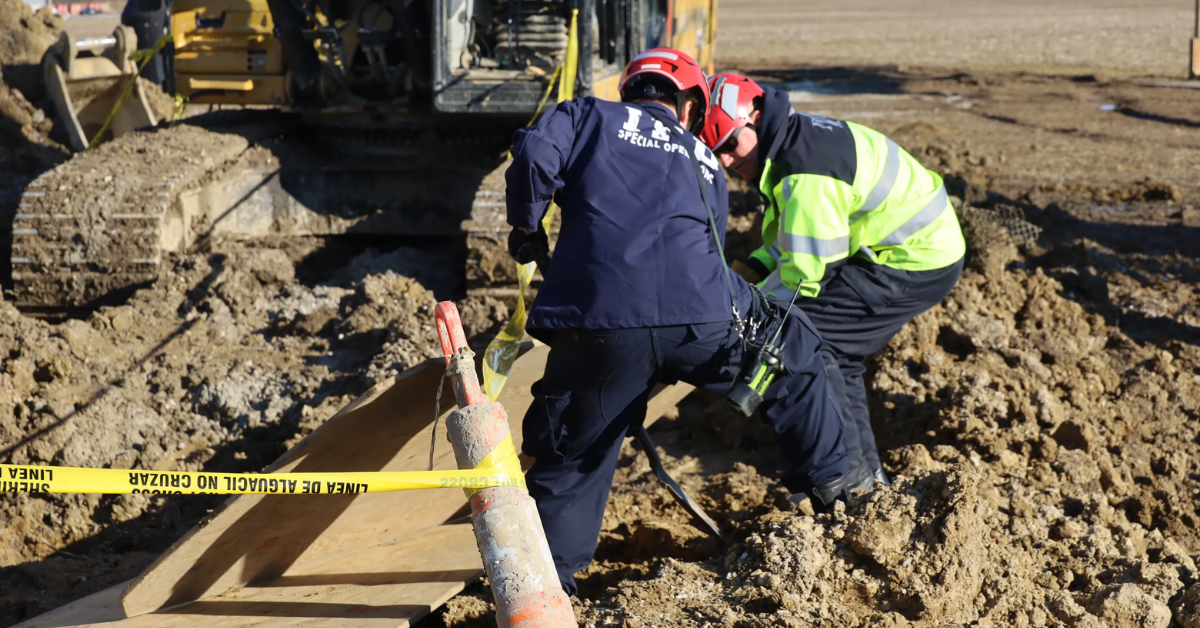
Reports suggest that Daisy’s death was sudden and unexpected. Authorities found evidence pointing towards inadequate care while the dog was under the handler’s supervision. Specific details about the cause of death have not been fully disclosed pending ongoing investigations.
Experts stress that comfort dogs rely heavily on their handlers for medical care, proper nutrition, and exercise. Any failure in these responsibilities can lead to serious health risks for the animals. The American Society for the Prevention of Cruelty to Animals (ASPCA) states that handlers must follow strict guidelines to ensure therapy dogs remain healthy and safe at all times.
Legal Implications and Charges Explained
The charges against the handler might involve violations of state laws concerning animal welfare. In Maine, the Animal Welfare Act requires all individuals caring for animals to provide a safe and healthy environment. Failure to do so can result in fines, legal penalties, and even imprisonment.
According to information from the Maine Department of Agriculture, Conservation and Forestry (DACF Animal Welfare Unit), investigations will continue to determine if criminal negligence played a role in this case, and what legal actions are appropriate.

Impact on the Community and Comfort Dog Programs
This incident has deeply affected communities that benefited from Daisy’s calming presence. Schools, hospitals, and therapy centres that relied on these dogs now face concerns regarding safety and trust. Parents and patients alike are anxious about future therapy dog visits.
Comfort dog organisations nationwide are reviewing their training protocols and handler qualifications to prevent similar incidents. The loss of Daisy serves as a reminder about the importance of rigorous handler education and regular assessments of both dogs and their handlers.
How Can Comfort Dog Handlers Ensure Safety?
Handlers should always follow best care practices, including routine veterinary visits, proper diet, and emotional well-being assessments for their dogs. Ongoing training and certification updates can help maintain high standards.
Additionally, handlers need to communicate openly with the organisations they work with and report any signs of distress or health issues immediately. Collaboration between local authorities and comfort dog programs can help safeguard these valuable therapy animals.

Conclusion
The loss of Daisy, the beloved Maine comfort dog, is a tragic event that has sparked important conversations about the care and protection of therapy animals. While legal processes will determine the handler’s responsibility, this situation urges handlers, organisations, and communities to prioritize animal welfare and prevent future harms.