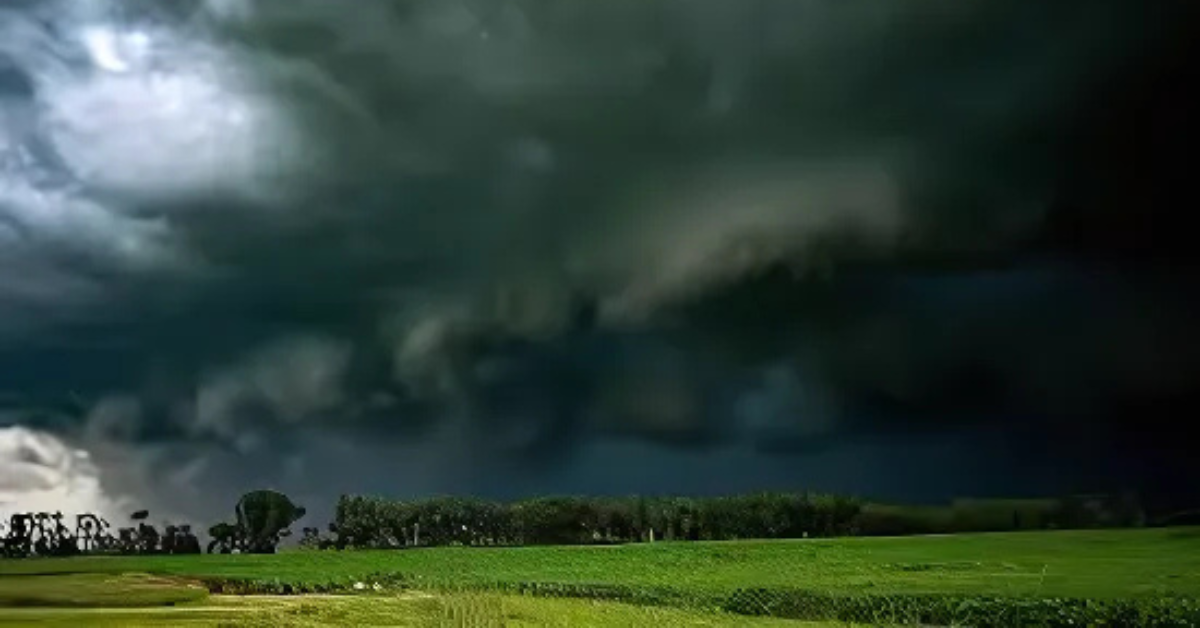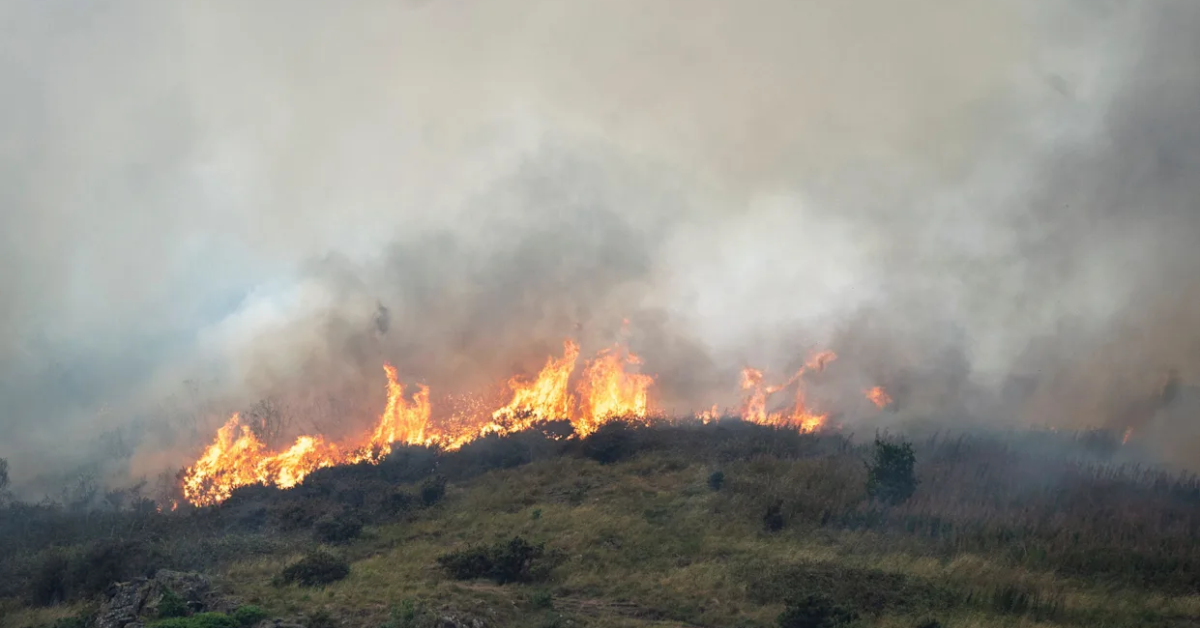

North Dakota has experienced an unusually wet summer, with heavy rains soaking the state and creating concerns about severe weather risks ahead. The saturated soil and rising water levels have set the stage for potential flooding, landslides, and other related dangers that could affect daily life and local agriculture. Residents and authorities are on alert as the situation develops.
This unexpected weather pattern signals a shift in North Dakota’s typical climate, which can be surprising for many. Understanding how this rainy summer influences future weather events is crucial, especially for younger individuals and families living in the area. Let’s explore what factors are contributing to these risks and what steps can be taken to stay safe.
Why Has North Dakota Experienced So Much Rain?
Heavy rainfall in North Dakota has been linked to changing weather systems, including unusual jet stream patterns and increased moisture in the atmosphere. These conditions have caused frequent storms and extended periods of rain. The National Oceanic and Atmospheric Administration (NOAA) reports that climate change is playing a role in increasing the frequency of heavy rain events in the region.
Because North Dakota’s landscape includes many rivers and farms, too much rain can quickly lead to problems. When the ground becomes saturated, it struggles to absorb more water, causing excess water to flow across the surface and raising the danger of floods.
What Are the Risks of Severe Weather After a Rainy Season?
One of the main concerns after a very rainy summer is flooding. Rivers and lakes swell, threatening homes, roads, and farmland. Flood waters can damage property, disrupt transportation, and pose safety hazards. Additionally, soft, wet soil can cause landslides or mudslides, especially in hilly or uneven areas.
The National Weather Service warns that residents should be prepared for sudden flash floods and strong storms. Electrical outages and hazardous driving conditions may also become common challenges in affected parts of North Dakota.
Impact on Agriculture and Local Communities
North Dakota’s economy heavily depends on farming, and excessive rain can be harmful rather than helpful. Waterlogged fields make it hard for crops to grow, and standing water can lead to soil erosion or crop diseases. Farmers may face lower yields, which could affect food supply and prices.
Local communities also feel the pressure as businesses and public services work to respond to weather emergencies. Schools and workplaces might close during severe weather, and emergency services remain ready to provide support. Public awareness and timely information are essential for safety.
What Can Residents Do to Stay Safe?
Being prepared is key during such risky weather times. Residents should stay updated with weather forecasts from trusted sources and follow advice from local authorities. Creating an emergency plan, keeping important documents safe, and having supplies like water and food can make a big difference.
Moreover, understanding evacuation routes and avoiding flood-prone areas when rains intensify will help protect lives. Community support networks can also provide assistance to vulnerable individuals such as elderly or disabled persons.
Looking Ahead: The Future of North Dakota’s Weather
Experts suggest that North Dakota may continue to experience more extreme weather events as climate patterns change globally. While short-term weather is difficult to predict, long-term trends show an increase in heavy rainfall and storms across many regions of the United States, including the Upper Midwest.
Investments in infrastructure, better flood management systems, and ongoing climate research are crucial to help communities adapt. For younger generations, learning about climate resilience and environmental care becomes essential as they will live with these challenges in the future.
To stay informed, you can follow updates from organizations such as the Environmental Protection Agency (EPA) and NOAA, which provide reliable weather and climate information.