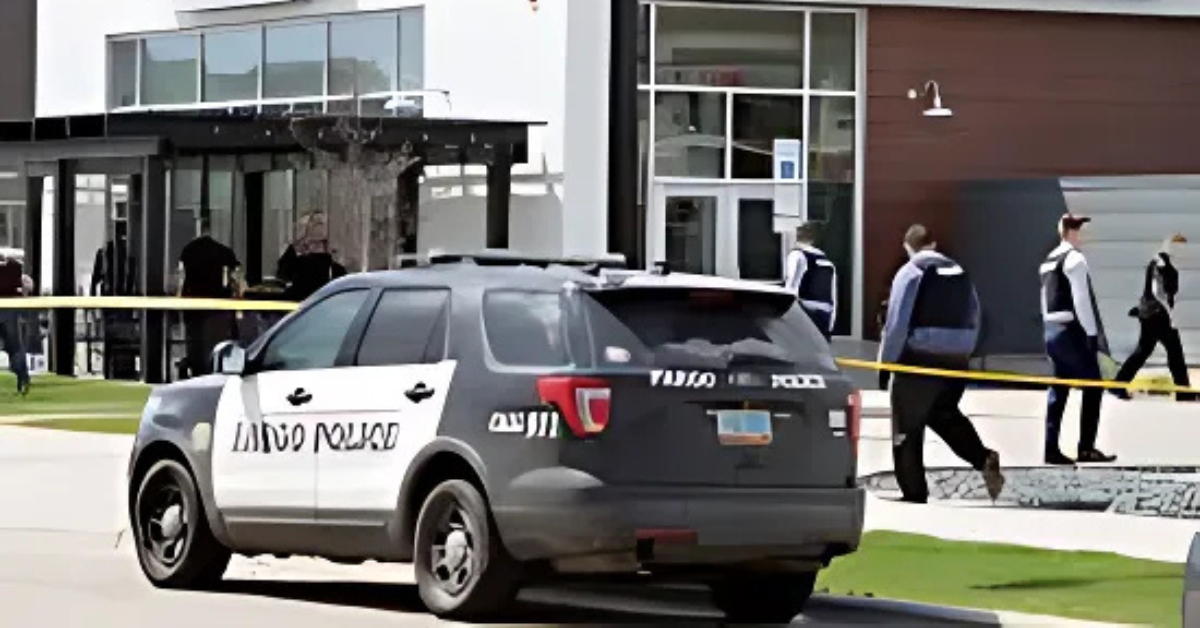
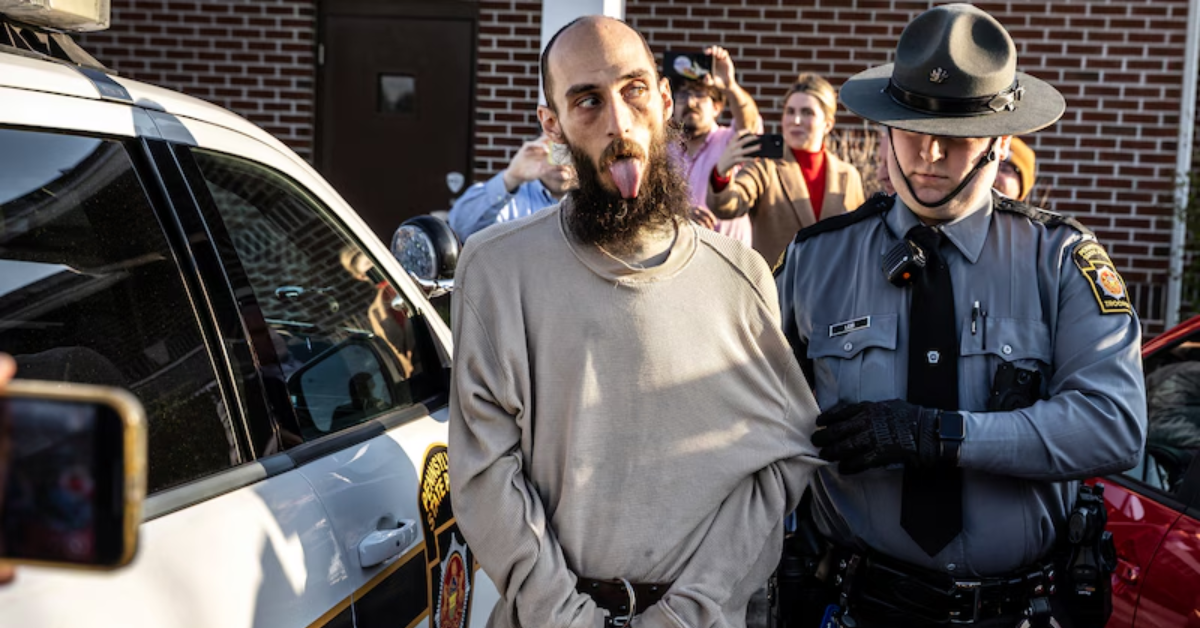
A recent incident in the United States shows how a simple mistake can lead to dangerous consequences. Police officers shot an armed man in the leg after being sent to the wrong address due to a 911 dispatch error. This case has raised many questions about the safety of emergency responses and how such errors affect both citizens and law enforcement officers.
The story has caught the attention of many since it highlights the challenges police face, especially when responding to critical calls under pressure. It also reflects on how technology and human errors can sometimes cause confusion, leading to serious incidents. Understanding what happened is important for improving emergency services and public trust.
The Incident: What Went Wrong?
According to reports, police received a 911 call about an armed man threatening others. However, the dispatch mistakenly sent officers to the wrong house. When the police arrived, they encountered a man holding a weapon. Believing there was an immediate threat, officers shot him in the leg to stop any potential harm.
The man who was shot claimed that he was at home and unaware of any danger before the commotion began. This mistake by the emergency dispatch created fear and confusion for both the residents and the police. The incident was covered by news outlets such as NBC News, which detailed how critical accurate address information is during emergency responses.

Why Accurate Dispatch Matters in Emergencies
Emergency dispatch centers play a vital role in providing police, fire, and medical services with the correct information. When dispatchers send officers to the wrong location, it can put innocent people at risk and complicate police work. This incident serves as a reminder that every second counts in emergencies, and accuracy can save lives.
Experts say that miscommunication or technical problems with dispatch systems must be minimized. According to the National Institute of Justice, better training and improved technology can help reduce errors. For example, using GPS tracking and clearer caller information can guide officers more effectively to the right place.
Police and Public Reactions
The shooting led to mixed reactions among local residents and law enforcement officials. Some police officers emphasized their difficult task when they respond to potentially dangerous situations without full information. A police spokesperson said officers acted in “self-defense” under pressure.
On the other hand, community members expressed frustration and demanded accountability for the dispatch error. Many believe that the man who was shot “needs to be paid” or compensated for the impact of these mistakes. Discussions about police training and emergency services improvement are ongoing.

Steps to Prevent Such Incidents in the Future
To avoid errors like this, law enforcement agencies are reviewing their dispatch procedures and call verification processes. Improved communication between dispatch centers and officers is necessary. Some police departments are investing in advanced software that cross-checks the address information sent by the caller with maps and databases.
Community education about how to correctly report emergencies is equally important. According to FBI guidelines, callers should stay calm, clearly state the location, and provide as many details as possible to help responders act quickly and accurately.
What This Means for Younger Audiences
Young people today rely heavily on technology and often make emergency calls from mobile devices. This incident is a reminder of the importance of giving accurate information during crises. It also highlights that even well-trained professionals can face challenges if the initial information is wrong.
Awareness about how police and emergency services work is valuable for teenagers and young adults. By understanding these systems better, they can help reduce the likelihood of similar problems. Sharing this knowledge within schools or social media can make a positive impact on public safety.

Conclusion
The case of the police shooting an armed man after being sent to the wrong home by a 911 dispatch error is a serious event with lessons for everyone. It shows the need for precise communication, improved technology, and mutual understanding between the police and the community. Both police departments and citizens have roles to play in preventing such dangerous mistakes in the future.
As emergency systems continue to evolve, learning from incidents like this will hopefully lead to safer responses and better outcomes for all involved.