
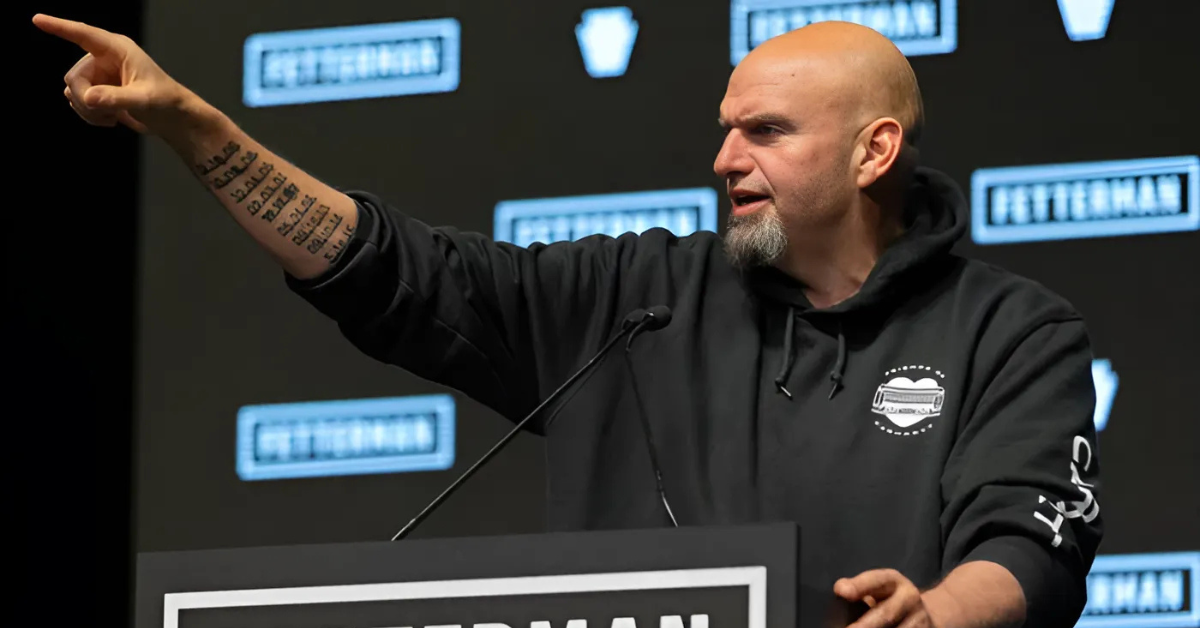
In recent political discussions, Pennsylvania Senator John Fetterman has made waves by blaming the Democratic Party for losing touch with their core reasons for defeat in elections. He argues that Democrats have overlooked key voter concerns, which has led to a disconnect between the party and everyday Americans. Fetterman’s candid comments spark debate on how political parties should approach their strategies to win future elections.
Adding to the controversy, Fetterman also challenged the popular notion that former President Donald Trump is an autocrat. Contrary to many voices in the media, he stated that Trump does not fit the definition of an autocratic leader. These statements come at a crucial time when the United States remains politically divided, making his perspective relevant for many young and first-time voters.
Fetterman’s Reflection on the Democratic Party’s Loss
Senator Fetterman believes the Democratic Party needs to go back to basics and really understand why they lost key elections. He emphasized that Democrats have “forgotten why we lost,” pointing out that they need to reconnect with working-class Americans and focus more on economic issues. According to him, focusing too much on identity politics and cultural debates might have alienated some voters who prioritize jobs and economic security.

Fetterman’s remarks echo concerns raised by other political analysts who argue that Democrats should not only expand on social issues but also deliver practical economic solutions. Experts from sources like Brookings Institution suggest that economic messaging plays a significant role in winning working-class support, especially in swing states like Pennsylvania.
Why Fetterman Says Trump Is Not an Autocrat
Another striking point from Fetterman’s interview was his take on Donald Trump’s leadership style. Many media outlets describe Trump as an autocrat or authoritarian, but Fetterman disagrees. He said, “Trump is not an autocrat,” highlighting that the former president operated within the limits of the U.S. political system and recognized the importance of elections and democratic processes.
This perspective challenges the widespread view seen in outlets like CNN and the New York Times, where Trump often is criticized for undermining democratic norms. Fetterman’s comments suggest a more nuanced view of American politics, which might appeal to voters tired of extreme narratives from both sides.

What This Means for Younger Voters and Future Elections
For younger voters, Fetterman’s statements highlight the importance of understanding political complexity rather than accepting simple labels. Many young people are just beginning to engage in politics and want honest discussions about issues that affect their everyday lives. By pointing out the Democrats’ mistakes and providing a balanced take on Trump, Fetterman encourages voters to think critically about the political landscape.
Political experts agree that youth engagement is crucial for democracy’s future. Websites like Pew Research Center show that young voters tend to lean Democrat but may become disillusioned if the party does not address their economic and social concerns clearly. Fetterman’s comments serve as a reminder that winning elections involves listening to all kinds of voters, including the often overlooked working class.
Conclusion: Learning From Past Mistakes to Build a Stronger Future
John Fetterman’s call for Democrats to remember why they lost and his view on Trump’s leadership style both spark important discussions ahead of future elections. His ideas stress the need for honesty, unity, and practical solutions, especially on economic issues, to rebuild trust among voters. As the political landscape evolves, these conversations could help reshape strategies to better represent the people.

Young voters and political observers alike will benefit from following these debates and thinking about the complex realities behind simple political labels. Doing so may help create a more inclusive and effective democracy for everyone.