
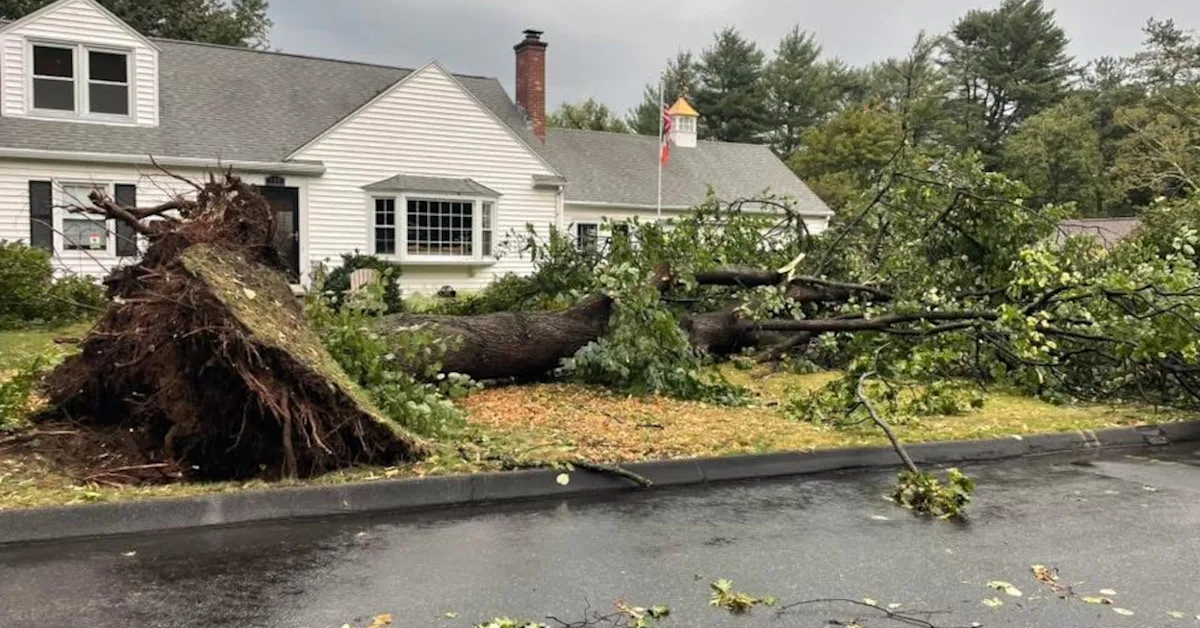
Living in Hawaii is a dream for many, but soaring rents often make it hard for tenants to enjoy the islands comfortably. With changes coming to rent increase laws in 2025, it’s important for tenants and landlords alike to understand what the new rules mean. This article breaks down the key points of these updates to help you stay informed and prepared.
Whether you are renting an apartment in Honolulu or a small home on Maui, rent changes can directly affect your budget. Hawaii’s government is working on balancing the interests of tenants and property owners, aiming to keep housing affordable while allowing landlords to maintain their properties. Let’s explore what these rent increase laws are about and what tenants need to watch out for in 2025.
Overview of Hawaii Rent Increase Laws
Hawaii has specific laws designed to control how much landlords can increase rent each year. While the state does not have a strict rent control policy, the legal framework requires landlords to follow certain guidelines to increase rent fairly. According to the Hawaii Department of Land and Natural Resources, landlords must give tenants at least 45 days’ notice before raising rent for most leases.
In addition, if the rent increase is significant, tenants have options to negotiate or even contest the change in some situations. This helps to protect tenants from sudden hikes that could cause financial distress. Understanding these rules helps tenants plan their housing budget and avoid surprises.
Key Updates for 2025 Rent Increase Laws
Starting in 2025, Hawaii is implementing new changes aimed at improving tenant protection. One major update is the limit on the maximum percentage by which rent can be raised annually. The new law caps rent increases to a maximum of 5% per year, which is lower than before and offers tenants better predictability.
Another important update requires landlords to provide written notice including detailed reasons for the rent increase. This can include factors like property maintenance or rising operational costs. These updates encourage transparency and make it easier for tenants to understand why their rent is changing.
Sources like Hawaii Employment Law emphasize that tenants should carefully review their lease agreements and all communication from landlords to ensure compliance with these new laws.
Tenant Rights Under Hawaii Rent Laws
Tenants in Hawaii have several rights designed to protect them from unfair rent increases. Statutes require landlords to notify tenants properly, as mentioned, but tenants also have the right to reject an unreasonable increase and negotiate. If disputes arise, tenants can approach local housing agencies or legal aid groups for help.
For example, if a landlord fails to provide the proper 45 days’ notice or raises rent beyond the 5% cap without explanation, tenants can file a complaint or seek mediation. Groups like Hawaii Housing Finance and Development Corporation provide resources and support for renters facing difficulties.
Tips for Tenants Facing Rent Increases in 2025
If you receive a rent increase notice, here are some steps to consider. First, check if the increase complies with the 5% cap and proper notice period. Second, review your lease terms and document any communication with your landlord. Third, don’t hesitate to negotiate or ask for a clear explanation for the rent hike.
It’s also helpful to explore assistance programs or tenant rights workshops available through community organizations. Staying informed and proactive is key to managing rent increases without stress. Young renters, especially those new to Hawaii or renting for the first time, can benefit greatly from understanding these protections.
Final Thoughts on Hawaii Rent Increase Laws in 2025
Hawaii’s rent increase laws in 2025 reflect a growing awareness of the need for fair housing policies on the islands. With a cap on rent hikes and stronger tenant protections, the new laws aim to create a more balanced rental market. Tenants should educate themselves about these changes and make use of available resources to safeguard their housing security.
Remember, clear communication with your landlord and knowing your rights can help you avoid surprises and maintain a good rental experience. Keep an eye on updates from reliable sources and reach out to tenant support services when needed. Staying informed is your best tool in navigating Hawaii’s rental landscape.