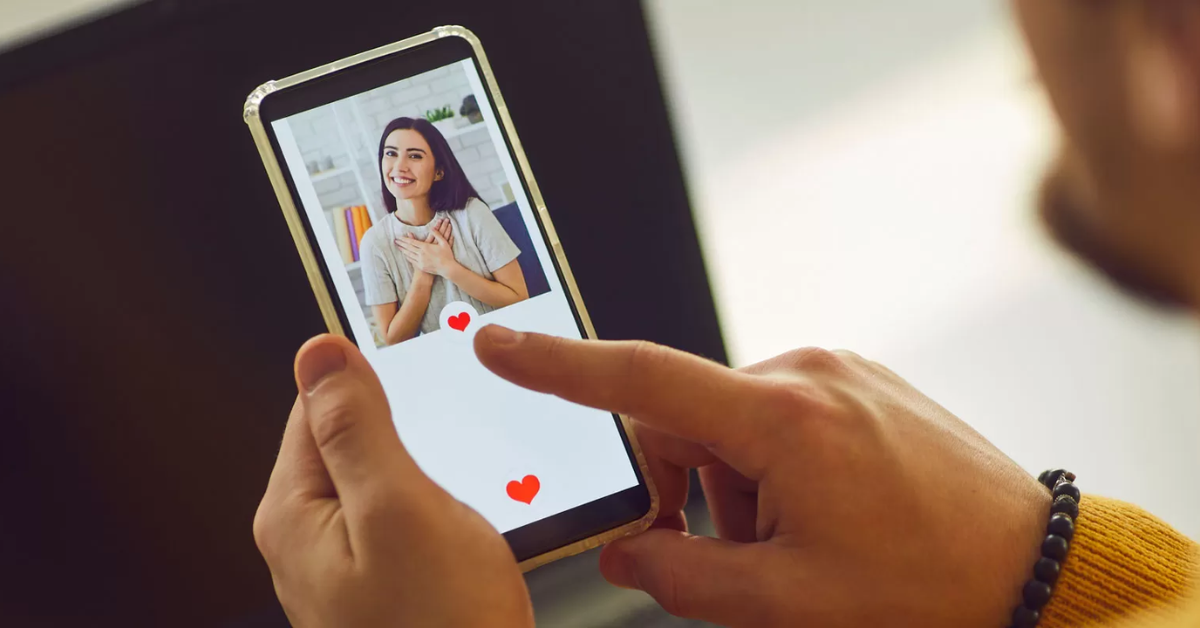
Social media platforms like Facebook have become a breeding ground for romance scams, where fraudsters use fake celebrity videos to trick innocent people. These scammers create artificial videos featuring well-known celebrities to gain trust, making it easier to deceive victims and steal large sums of money. Unfortunately, this alarming trend is causing significant financial harm to many, especially younger users who are active on social media every day.
People looking for love or friendship online often get caught by these criminals who exploit fake celebrity videos, making their stories feel believable and real. Such scams not only damage victims financially but also emotionally. Understanding how these scams work can help users protect themselves better and avoid falling prey to such schemes.
How Fake Celebrity Videos Are Used in Romance Scams
Fraudsters create deepfake videos or altered clips of famous stars interacting as if they are speaking directly to you. These videos are carefully crafted to appear genuine, making victims believe they are communicating with a trustworthy person. Scammers use these videos to gain emotional trust quickly and then request money under various false pretenses like emergencies or investments.

The deepfake technology, which uses artificial intelligence to swap faces or manipulate videos, makes these scams much harder to detect. A report from the BBC explains how AI-powered fake videos can fool even experienced individuals (BBC Technology). On Facebook, such videos are circulated widely in private messages or closed groups, often targeting vulnerable people who hope to find genuine connections.
Major Financial Losses Highlight the Growing Scam Crisis
The financial damage caused by these romance scams is staggering. According to the FBI’s Internet Crime Complaint Center (IC3), victims lost over $600 million to romance scams in recent years (FBI IC3 Report 2022). Many victims are tricked into sending money overseas or making payments for fake medical expenses, travel costs, or other emergencies invented by the scammers.
Experts warn that the rise of fake celebrity videos makes these scams even more dangerous because people are more likely to trust someone who appears well-known. Facebook has strict policies against such scams but stopping them completely remains difficult because fraudsters constantly adapt their methods.

Tips to Protect Yourself from Fake Celebrity Romance Scams
Being alert and cautious on social media can help protect you from falling into romance scam traps. Here are some simple steps:
- Never send money or personal information to someone you met only online, no matter how convincing their videos look.
- Verify the identity of the person you are talking to by asking specific questions or using video chat on your terms.
- Look out for inconsistencies in their stories or any pressure to send money quickly.
- Report suspicious profiles and videos to Facebook immediately to help stop the spread.
The Indian government and law enforcement agencies are also increasing awareness campaigns to educate young people about online scams. According to a report in The Times of India, spreading digital literacy can reduce victims significantly.
Conclusion: Stay Alert to Avoid Falling Victim to These Scams
Fake celebrity videos are a new tool for romance scammers on Facebook, making it easier than ever to deceive victims. With large financial losses reported globally, it is essential to be aware and cautious when interacting with people online. Always verify identities and avoid rushing into online relationships that demand money or personal information.

By staying informed and reporting suspicious activity, we can create a safer online space for everyone, especially young users who are most vulnerable to such misleading schemes.