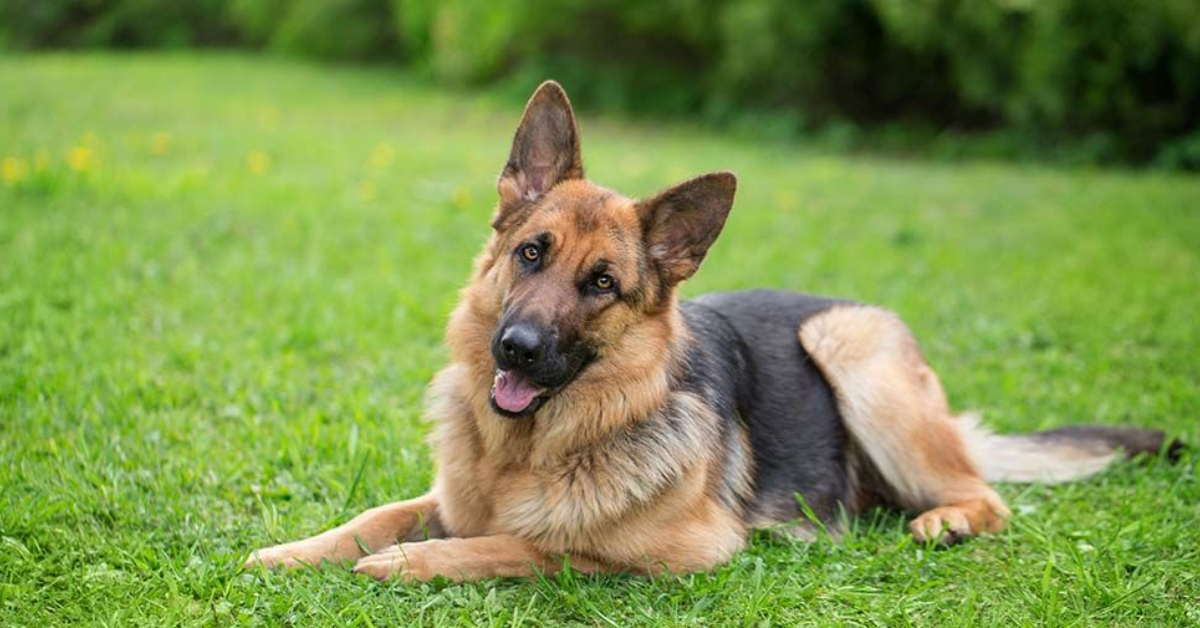

German Shepherds are one of the most popular dog breeds worldwide, known for their intelligence, loyalty, and strong protective instincts. Whether you are a first-time dog owner or looking to improve your German Shepherd’s well-being, understanding their unique needs is essential. This guide will help you provide the best care to keep your furry friend happy and healthy.
From proper nutrition to regular exercise and training tips, we cover everything every German Shepherd owner should know. Following these practical tips can ensure your dog lives a long and joyful life while strengthening the bond between you and your pet.
Understanding German Shepherd Temperament
German Shepherds are highly intelligent and trainable, often used as service dogs and police dogs due to their focused nature. They are loyal and protective, making them excellent family pets when socialized properly. Early training and socialization play a critical role in helping them adjust well to different environments and people.
Because of their intelligence, these dogs need mental stimulation as much as physical exercise. Activities like obedience training, puzzle toys, and interactive games can keep their minds sharp and prevent boredom-related behaviors. According to the American Kennel Club, properly socialized German Shepherds are gentle companions and highly adaptable to family life.
Feeding Your German Shepherd Right
A balanced diet is key to your German Shepherd’s health. These dogs require protein-rich food to support their active lifestyle. High-quality commercial dog food formulated for large breeds is a convenient choice for many owners. You can also supplement their diet with fresh meat, vegetables, and grains after consulting a veterinarian.
It is important to avoid overeating, as German Shepherds are prone to weight gain, which can lead to joint problems. Always provide fresh water and stick to scheduled feeding times rather than free feeding. The PetMD website offers detailed recommendations on portion sizes and best practices for feeding German Shepherds.
Exercise Needs for a Healthy German Shepherd
German Shepherds are energetic dogs that require at least one to two hours of exercise each day. This includes walks, runs, and playtime. Regular physical activity prevents obesity and helps maintain healthy joints and muscles. It also reduces anxiety and destructive behaviors caused by excess energy.
Engaging your dog in activities such as fetch, agility training, or even swimming can be very rewarding. Ensuring daily exercise helps your German Shepherd stay fit and mentally stimulated. The American Veterinary Medical Association highlights that consistent exercise promotes a longer, healthier life for active breeds like German Shepherds.
Grooming and Health Care Basics
German Shepherds have a double coat that sheds year-round, with heavier shedding twice a year. Brushing your dog several times a week helps remove loose hair and reduces shedding inside your home. Regular grooming sessions are also an opportunity to check for skin issues or parasites.
Routine health care includes vaccinations, flea and tick control, and yearly vet check-ups. German Shepherds are prone to some breed-specific health issues like hip dysplasia and digestive problems, so staying up to date with veterinary care is critical. Keeping your dog’s teeth clean and nails trimmed is also important for overall comfort and health.

Training Tips for a Well-Behaved Dog
Training German Shepherds requires patience, consistency, and positive reinforcement. These dogs respond best to commands given in a calm voice with rewards like treats or playtime. Early socialization with other dogs and people helps your pet develop good behavior and reduces fearfulness or aggression later on.
Basic obedience training should start as early as possible, focusing on sit, stay, come, and leash walking. Enrolling in puppy training classes or consulting professional trainers can benefit both you and your dog. According to Cesar’s Way, positive training methods improve communication and deepen the trust between dogs and owners.
Socialization and Mental Stimulation
German Shepherds thrive in environments where they feel mentally challenged and socially engaged. Group walks, playdates with other dogs, and obedience classes provide excellent socialization. Puzzle toys and problem-solving games keep their minds active and help prevent destructive behaviors caused by boredom.
Regular mental stimulation strengthens your dog’s confidence and behavior. Providing consistent mental challenges also replicates their traditional role as working dogs, fulfilling their natural instincts and boosting overall happiness.
Final Thoughts: Building a Loving Relationship
Owning a German Shepherd is a rewarding experience that requires dedication, knowledge, and love. By understanding their special needs for exercise, diet, grooming, and training, you ensure your dog grows into a well-adjusted and happy companion. Remember, your time and attention are the most valuable gifts you can offer your pet.

With patience and care, your German Shepherd will become not only a loyal protector but also a cherished member of your family. For more information on dog care and best practices, you can visit trusted resources like the American Kennel Club and PetMD.