
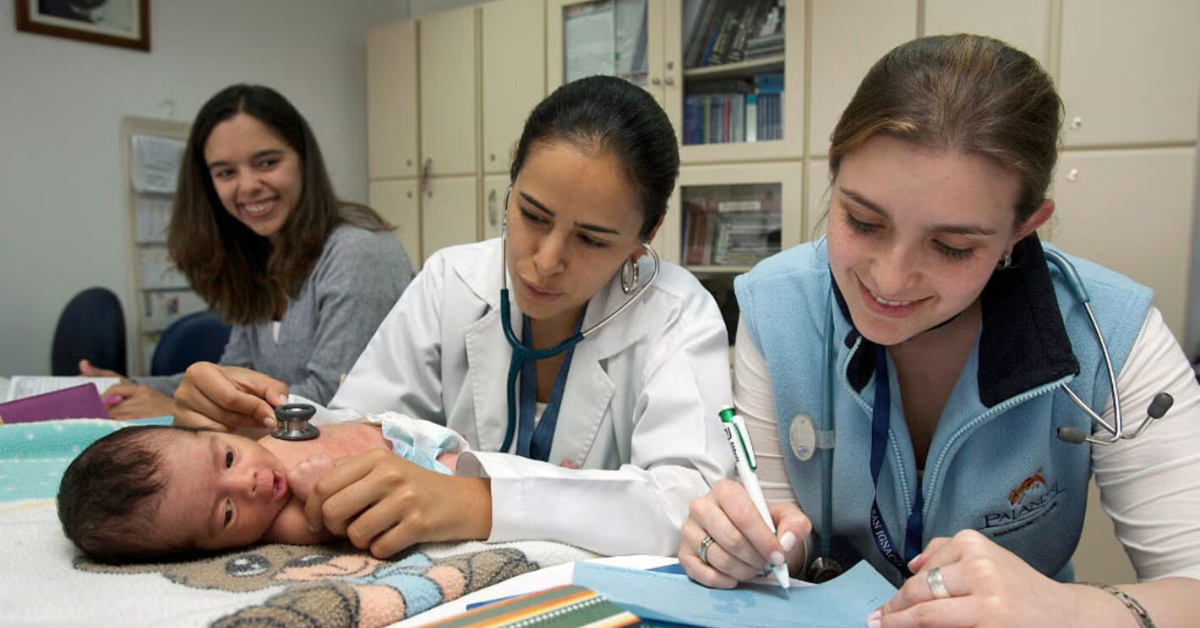
World Patient Safety Day is observed every year to raise global awareness about patient safety and promote actions to prevent harm in healthcare. In 2025, the World Health Organization (WHO) is focusing on the safety of newborns and children, emphasizing the importance of providing safe and high-quality care for the youngest and most vulnerable patients. This theme highlights the urgent need to protect children from avoidable harm in hospitals and clinics.
In many countries, including India, newborns and children face risks related to medical errors, infections, and inadequate care during their first days of life. The WHO campaign reminds healthcare providers, policymakers, and families to prioritize safety in child healthcare services. Every child deserves a safe start, and together, communities can ensure better healthcare outcomes for all children.
Why Focus on Newborns and Children?
Newborns and children are especially vulnerable to harm because their bodies are still developing. Medical errors or unsafe practices during childbirth or in hospitals can result in serious complications or even death. According to the World Health Organization, child mortality due to unsafe care is still a significant problem worldwide.

In India, neonatal mortality rate remains a concern despite improvements in healthcare access. Unsafe injections, poor infection control, and lack of trained staff contribute to avoidable health issues. By promoting safe care practices, hospitals can reduce these risks and ensure children grow up healthy and strong.
What is the World Health Organization Doing?
The WHO has launched several initiatives to improve patient safety for newborns and children globally. They provide guidelines on infection prevention, safe medication practices, and newborn care that healthcare providers can follow. On World Patient Safety Day 2025, WHO encourages countries to implement safety standards and training programs for medical staff.
One key focus is improving hygiene in maternity wards and neonatal units. Simple steps like hand washing, sterilizing equipment, and monitoring vital signs can save lives. WHO also emphasizes involving parents in care decisions to ensure transparency and trust between families and healthcare teams.

How Can Communities and Families Help?
Patient safety is a shared responsibility. Parents and caregivers should feel empowered to ask questions and understand the care their children receive. Knowing when to seek medical help and being vigilant about hygiene at home can prevent many health problems.
Community health workers and local organizations also play a vital role by spreading awareness about safe childbirth and newborn care. Educating families on vaccination, breastfeeding, and infection prevention can greatly improve child health outcomes. The government of India has launched programs like the National Health Mission to support these efforts and reduce child mortality rates.
The Road Ahead for Safer Child Healthcare
Ensuring patient safety for newborns and children requires continuous commitment from all sectors. Hospitals need to regularly train their staff, follow safety protocols, and invest in proper medical equipment. Governments must enforce regulations and increase funding for child health services. Families should stay informed and actively participate in their children’s care.

World Patient Safety Day 2025 is a reminder that safe care is a fundamental right for every child. By working together — from international agencies like WHO to local communities — we can build a healthcare environment where children receive the safe and effective care they deserve.