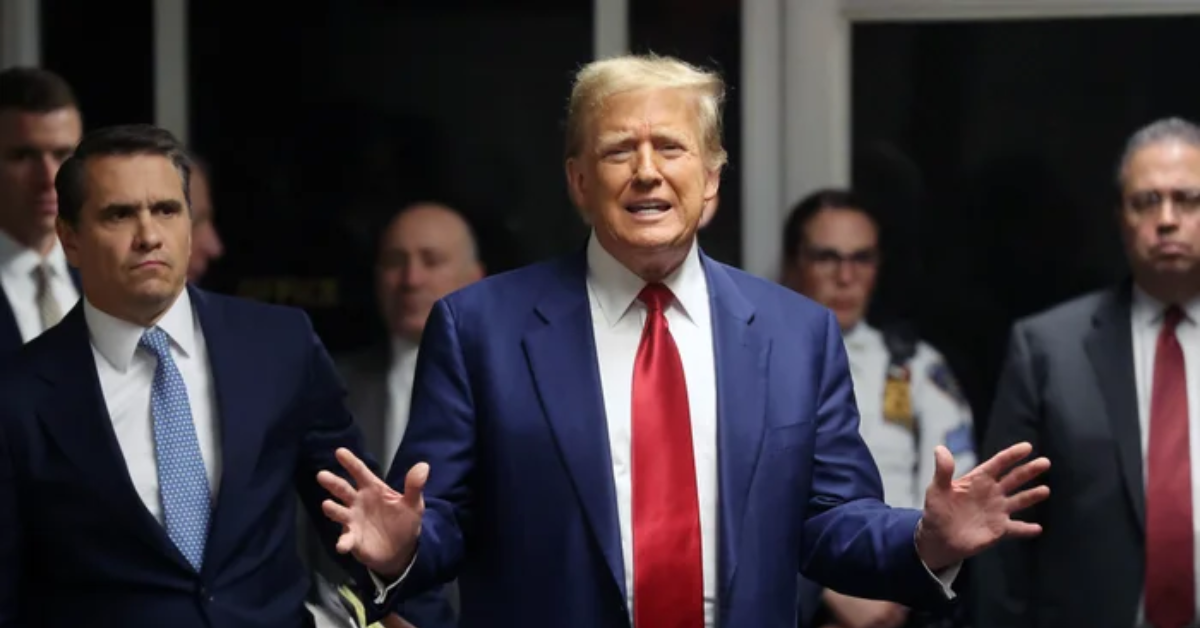
Former President Donald Trump has once again made headlines, this time by filing a civil lawsuit against The New York Times. The lawsuit claims defamation and alleges that the newspaper published false stories damaging Trump’s reputation. But many observers, including legal experts and journalists, find this move unusual and unexpected, considering the complex relationship between public figures and the media.
This legal action is attracting attention not only in the United States but around the world, including India, where media freedom and political lawsuits are closely watched. The bizarre nature of this lawsuit lies in its timing, the claims made, and the challenging legal ground Trump must cover to succeed against a major news outlet like The New York Times.
What Exactly Is Trump Suing The New York Times For?
In the civil suit, Trump accuses The New York Times of deliberately publishing misleading articles that hurt his public image and business interests. Specifically, the lawsuit focuses on a series of reports related to Trump’s financial dealings and alleged involvement in certain controversies. He claims these stories were based on incomplete or false information, which he says was knowingly ignored by the newspaper’s journalists.
However, The New York Times argues that their reporting was based on thorough investigations and credible sources. As a public figure, Trump must meet a higher legal standard called “actual malice” to prove defamation—that is, he must show the paper knowingly published false information or acted with reckless disregard for the truth. This is a difficult hurdle, as explained by legal experts at Cornell Law School.

Why Do Legal Experts Find This Suit Strange?
Many legal analysts describe Trump’s lawsuit as “bizarre” because of how hard it will be for him to win. According to the U.S. Supreme Court’s New York Times Co. v. Sullivan ruling, public officials must prove “actual malice” in defamation cases. This ruling protects freedom of the press and makes libel lawsuits harder for politicians to win, ensuring a healthy democracy where the news can investigate politicians without constant fear of being sued.
Additionally, experts note that Trump’s suit appears to be part of a larger pattern of attacking media outlets that report stories he dislikes. This tactic raises concerns about press freedom. According to the Reporters Without Borders, such lawsuits can have chilling effects on journalism worldwide, making them even more troubling.
What Does This Mean for Media and Politics?
This lawsuit highlights ongoing tension between powerful political figures and the media. While anyone can file a lawsuit, the context here is significant because it challenges long-standing protections for the press. Media outlets like The New York Times play a vital role in holding leaders accountable, and legal battles like these could shape how freely journalists can report in the future.
Young readers, especially, should understand that a healthy democracy depends on a free press. When lawsuits like this try to silence journalists or punish them for critical reporting, it can limit the public’s access to important information. It’s important to watch how this case unfolds, as it might influence media coverage in the US and beyond, including countries like India where press freedom is sometimes under pressure.

What’s Next for Trump and The New York Times?
The case will likely continue through the courts for months or even years. Both sides will present evidence and arguments about whether The New York Times acted responsibly in their reporting and if Trump’s reputation was unfairly harmed. Legal experts suggest that, given the high standard for defamation against public officials, Trump faces an uphill battle.
Meanwhile, The New York Times continues to defend its journalism and stands by its reporting. For people interested in media, law, or politics, following this case will provide insight into how legal protections for the press operate in practice. It also offers a chance to learn more about balancing freedom of speech with protecting individuals from false claims.
Conclusion: Why Is This Suit So Bizarre?
In summary, Trump’s civil suit against The New York Times feels bizarre because it challenges important legal protections for the press, contains complex claims difficult to prove, and appears part of a pattern of attempts to discredit media critical of him. While legal action is part of any democracy, this case reminds us how delicate the relationship between politics and journalism can be.
For young readers in India and around the world, this lawsuit is more than just a legal battle—it’s a lesson in why protecting free and fair journalism matters for everyone. As this case develops, staying informed will help you understand not just US politics, but fundamental rights that impact democracy globally.