The Federal Bureau of Investigation (FBI) has recently issued a warning to residents in Michigan about a new and clever package scam. This scam involves criminals sending fake delivery notifications or packages, hoping to trick people into sharing personal information or making payments. With online shopping becoming more popular, especially among younger consumers, such scams pose a real threat that everyone should be aware of.
Many people in Michigan have reported receiving suspicious messages and packages that appear to be from legitimate delivery companies but are actually designed to steal sensitive information. Learning how this scam works and what to watch out for can help you stay safe and avoid becoming a victim. The FBI urges vigilance and caution when dealing with unexpected packages and messages.
How the Package Scam Works
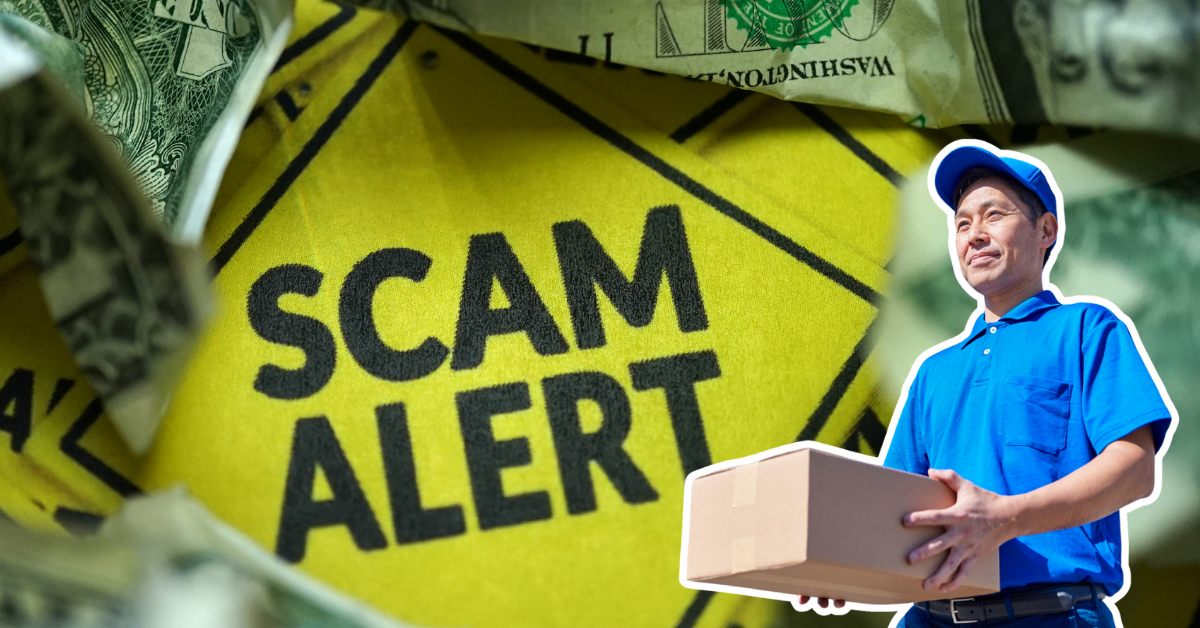
Scammers send fake emails, texts, or even physical packages that look like they come from trusted delivery services such as UPS, FedEx, or USPS. These messages often say there was a problem with your delivery or that a package is waiting for you. The goal is to make you click on links or call phone numbers provided in the message, which then ask for your personal details or payment information.

Sometimes, scammers even send small, useless packages containing tracking devices or harmless items to make the scam seem real. This tactic increases the trust of the victims, so they follow the fake instructions without suspecting anything. According to the FBI’s Internet Crime Complaint Center (IC3), such “package scams” have been increasing over the past year.
Why Young People Should Be Especially Careful
Young shoppers are often more active with online purchases and rely heavily on digital communication, making them more vulnerable to scams like these. The scammers use urgent language and clever prompts to rush people into responding, which can lead to mistakes. It’s important to remember that real delivery companies do not ask for personal information or payments through email or text messages.
Always double-check the source before clicking on any links or sharing your data. Use official company websites or apps to verify any delivery status, and do not trust unsolicited messages, no matter how convincing they may look. The Michigan State Police have also shared warnings about this scam, urging people to verify all communication related to deliveries through official channels.

Tips to Protect Yourself from Package Scams
To avoid falling victim to this scam, here are some helpful tips:
- Never click on links or call phone numbers in unsolicited messages.
- Check directly with the delivery service’s official website or app for updates.
- Be cautious if a package arrives unexpectedly—verify before opening.
- Watch out for misspelled words, strange sender addresses, or odd message formats.
- Keep your antivirus software updated to block malicious links.
- Report suspicious activity to the FBI’s Internet Crime Complaint Center or your local authorities.
What To Do If You Suspect a Package Scam
If you receive a suspicious message or package, do not respond or provide any information. Contact the delivery company directly using contact details found on their official website. You can also alert your local police department or the FBI to report potential scams. Early reporting helps authorities track and stop scammers from targeting more people.
Being cautious and informed is the best defense against online scams. The FBI’s warning serves as an important reminder for everyone, especially those who shop online regularly. Staying alert can protect you and your personal information from falling into the wrong hands.