Using someone else’s work without permission can be confusing, especially if you are unsure about the laws in Los Angeles, California. Whether it is a photo, a piece of writing, music, or any creative content, knowing what counts as illegal use is important. Many people wonder if sharing or using parts of another person’s work is against the law. This article will help clear up some common questions about this topic, especially for younger readers or beginners.
In Los Angeles, where creativity thrives in many industries like film, art, and music, the laws about using someone else’s work are set to protect creators. This means you can’t simply take someone else’s effort and call it your own. However, there are some exceptions and rules, which we will explain below. Understanding these rules will help you avoid trouble while still respecting other creators’ rights.
What Does the Law Say About Using Someone Else’s Work?
In general, using someone’s work without permission can be considered copyright infringement. Copyright is a legal right that gives the creator of original work control over how their work is used. This includes music, books, videos, photos, and more. In Los Angeles, and throughout the United States, copyright laws are protected under federal law.
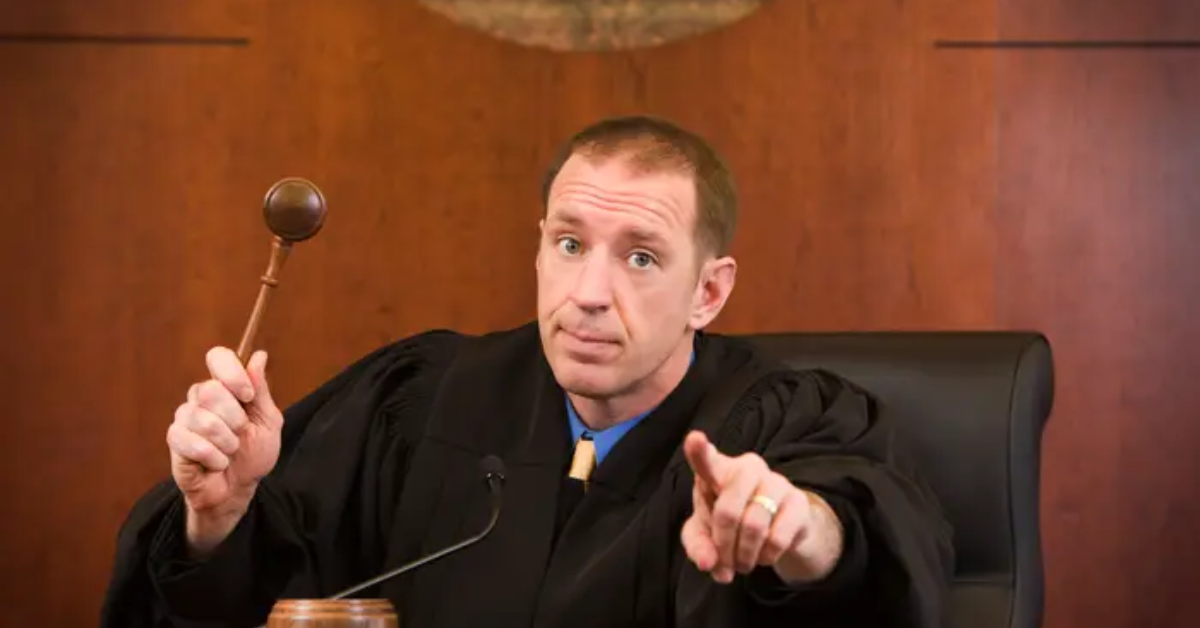
Copyright law means that if you want to use someone’s work, you often need their permission or a license to use it. If you use copyrighted work without permission, you can face legal consequences such as fines, lawsuits, or orders to stop using the work. This applies whether you use the work online, in person, for business, or personally.

What Counts as Illegal Use of Someone’s Work?
Illegal use includes copying, distributing, performing, showing, or making a new work based on someone else’s protected work without permission. For example, if you copy a song from the internet and use it in your video without the proper rights, that is illegal. Similarly, using images from a website without asking the owner or using copyrighted text in your article without credit or permission can cause problems.
It’s important to note that even if you give credit to the original creator, that doesn’t always mean you have permission to use their work. Copyright holders have the exclusive right to decide how their work is used, so simply naming them is not enough. For more detailed examples, consider checking out resources at Stanford University’s Fair Use site.
Are There Exceptions to Copyright Rules?
Yes, there are some exceptions under a rule called “fair use.” Fair use allows limited use of copyrighted material without permission, mainly for purposes like education, commentary, criticism, news reporting, or research. However, fair use is complex and only applies in certain situations after considering factors like the amount of work used and its effect on the original work’s market.
For example, if you are making a review video about a song and play a very short clip, it may be considered fair use. But if you use the entire song in your video, that might not be fair use. Los Angeles creators often have to carefully consider fair use before using someone else’s work.

How Can You Use Someone Else’s Work Legally?
The safest way to use someone else’s work is by getting permission or a license. You can contact the owner and ask if you can use the work and explain how you will use it. Some creators share their works under licenses like Creative Commons, which allow use under certain conditions. Always check the license terms carefully.
You can also use free or public domain content—works that are no longer protected by copyright or have been shared freely by the owner. There are websites like Pixabay or Unsplash where you can find images free for legal use. Just make sure to follow any rules they provide.
What Happens If You Use Someone’s Work Illegally in Los Angeles?
If you use someone’s work without permission and the owner finds out, they can take legal action. This may involve sending a warning letter called a “cease and desist,” asking you to stop using the work. If ignored, it could lead to a lawsuit, which might result in paying damages or fines.
For businesses or creators in Los Angeles, respecting copyright laws helps avoid serious penalties and builds trust with other creators. Younger users and new creators should be especially careful to learn about these laws early. Consulting a legal expert or a copyright lawyer if you are unsure can prevent costly mistakes.

Conclusion
Using someone else’s work in Los Angeles, CA, without permission is generally illegal and can lead to serious legal issues. Copyright laws protect creators and their work to encourage creativity and respect. While there are some exceptions like fair use, it is always better to ask for permission, use licensed content, or rely on public domain material.
Always be mindful of the rules and avoid copying others’ work without rights. This approach will help you stay safe legally and support the creative community in Los Angeles and beyond.