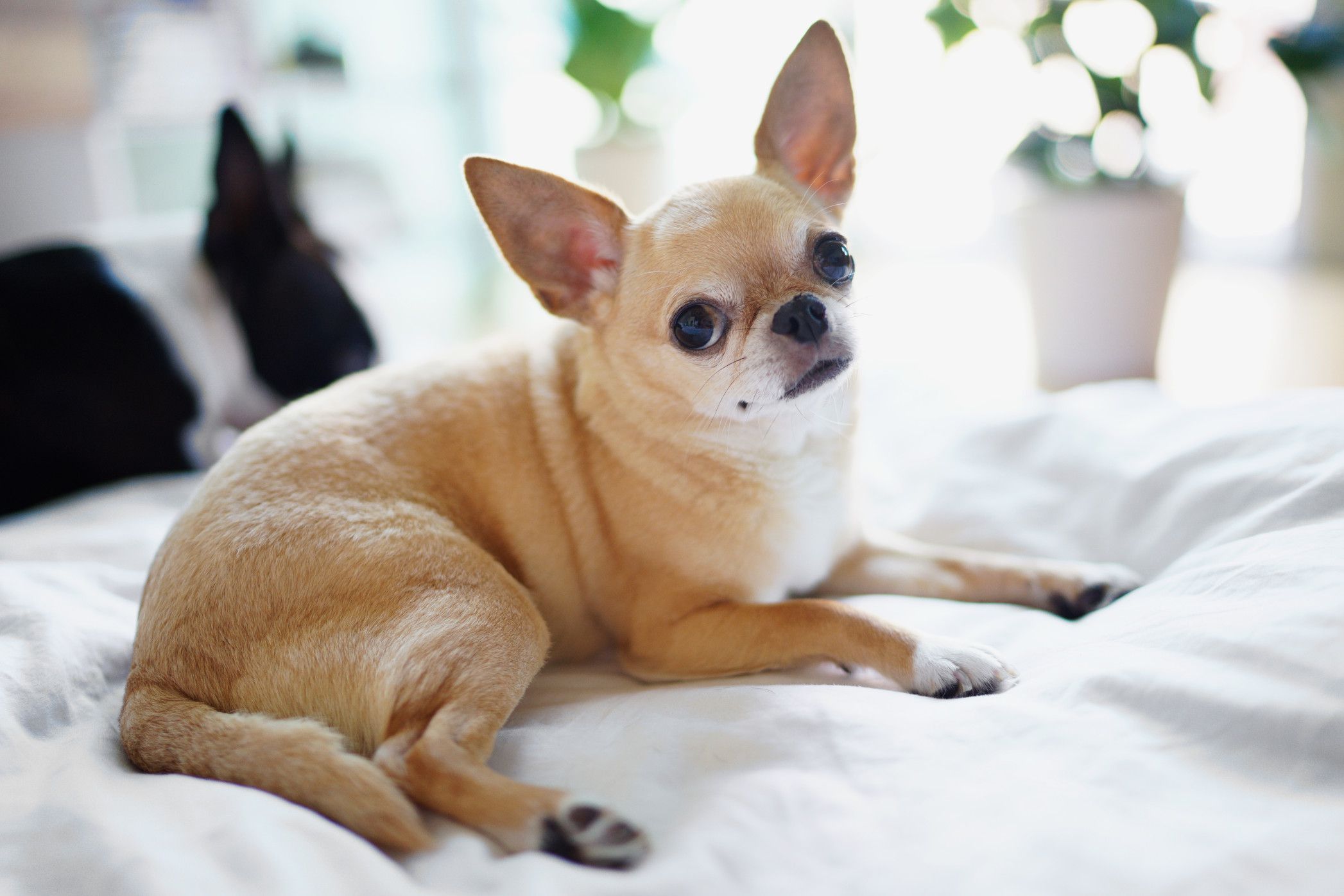

Choosing a Maltese as a pet is a wonderful decision for many dog lovers, especially those living in India where smaller breeds are often preferred for apartment living. These adorable, white-coated dogs are known for their friendly nature and lively personality, making them great companions for families and singles alike. However, keeping a Maltese happy and healthy requires some special attention and understanding.
In this article, we will discuss 8 crucial factors to consider when bringing a Maltese into your home. From grooming needs to health care, these tips will help you provide the best care possible for your furry friend and ensure a long-lasting relationship full of joy and companionship.
1. Grooming and Coat Care
Maltese dogs have long, silky white fur that looks beautiful but requires regular grooming to avoid mats and tangles. Brushing your Maltese’s coat daily will keep it clean and smooth, preventing discomfort and skin problems. Bathing every three to four weeks helps maintain their coat’s shine and health. Consider professional grooming every few months to trim their hair and keep their appearance neat and tidy. According to the American Kennel Club, regular grooming is essential for this breed to stay comfortable and healthy.

2. Feeding and Nutrition
Proper nutrition is vital for your Maltese’s overall well-being. Because of their small size, Maltese dogs need high-quality dog food that is rich in protein but easy to digest. Avoid overfeeding, as Maltese are prone to obesity due to their small bodies. Feeding them small, frequent meals can help maintain their energy levels throughout the day. Consult with your veterinarian for the best diet plan tailored to your dog’s age, weight, and activity level.
3. Exercise Needs
Maltese dogs might be small, but they still require daily physical activity to stay fit and happy. Short walks, playtime, and gentle activities help burn calories and prevent boredom. Since they are companion dogs, they also enjoy interactive games with their owners. Aim for at least 20-30 minutes of exercise daily to keep your Maltese lively and prevent behavioral issues.
4. Socialization and Training
Early socialization is key to raising a well-behaved Maltese. Introducing your dog to different environments, people, and pets will help reduce fear and anxiety. Training should begin as soon as you bring your puppy home. Positive reinforcement methods like treats and praise work best with the Maltese breed since they respond well to gentle guidance. Consistent training helps in managing their lively temperament and prevents common behavior problems.

5. Health Care and Vaccinations
Regular veterinary check-ups are necessary to keep your Maltese healthy. This breed can be prone to dental issues, respiratory problems, and patellar luxation (a knee joint condition). Vaccinations, parasite control, and dental cleanings are important preventive measures. Maintaining your Maltese’s health through regular check-ups can avoid costly treatments later and ensure your pet lives a long, happy life. You can find recommended health guidelines from the Vetstreet website .
6. Suitable Living Environment
Maltese dogs adapt well to apartment and indoor living, making them ideal for urban homes in India. However, they are susceptible to extreme temperatures—both hot and cold—so ensure your home maintains a comfortable temperature throughout the year. Provide a quiet and safe space for your Maltese to rest and sleep, as they often appreciate a cozy corner with their own bed. Avoid leaving them outdoors for long periods, especially in harsh weather.
7. Attention and Companionship
Maltese dogs are known for their affectionate nature and desire for human companionship. They do not like being left alone for long hours, as this can cause separation anxiety and lead to destructive behaviors. As a pet owner, make sure you spend quality time with your Maltese daily, engaging in play, cuddling, and gentle petting. Their social needs are just as important as their physical care.

8. Understanding Their Lifespan and Aging
The average lifespan of a Maltese is around 12 to 15 years, depending on care and health. As they age, they may develop vision or hearing problems, arthritis, or dental issues. Being attentive to their changing needs can ensure they live comfortably and happily in their senior years. Regular check-ups and adjustments in diet or exercise may be needed to accommodate their aging process.
In conclusion, owning a Maltese can bring much joy and companionship, but it also comes with responsibilities. Keeping these 8 important factors in mind will help you provide a loving and healthy environment for your furry friend. With proper grooming, nutrition, exercise, and care, your Maltese can become a loyal member of your family for many years to come.