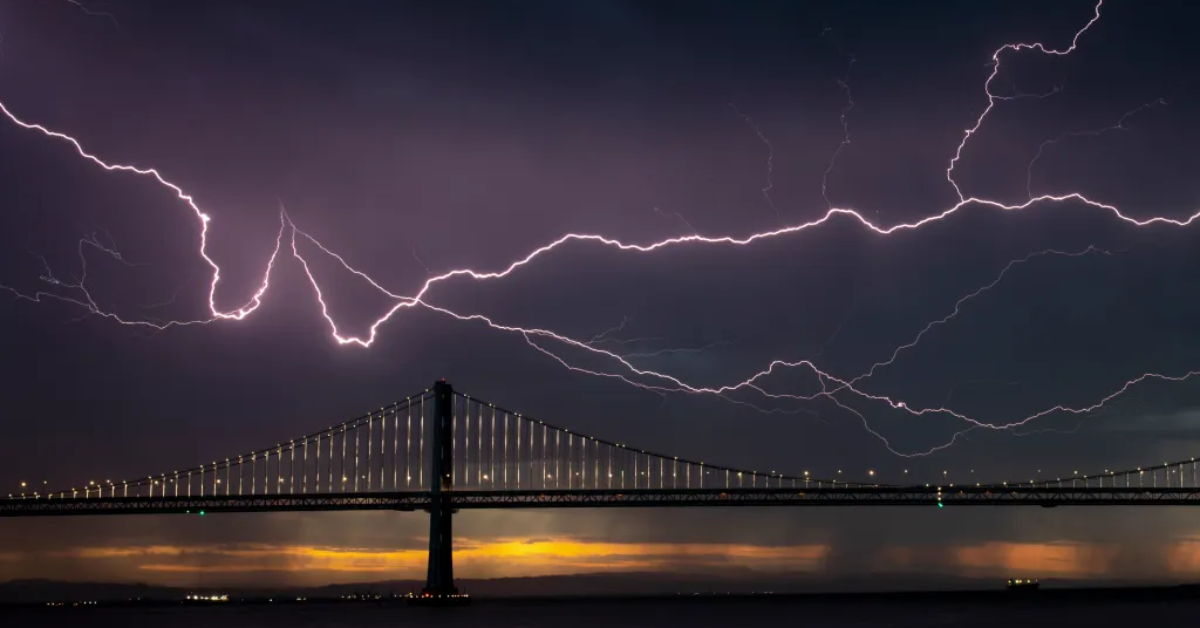
The Bay Area is gearing up for a period of unusually high temperatures coupled with the threat of dry lightning, raising serious concerns about fire risks inland. Residents and authorities alike are preparing for this challenging weather scenario that could impact daily life and safety. The combination of heat and dry lightning events often creates ideal conditions for wildfires, making vigilance critical.
In recent years, California has experienced an increase in climate volatility, with heatwaves becoming more frequent and intense. The current forecast indicates that the Bay Area will see above-normal heat, especially away from the coast where humidity is lower. Adding to the worry are dry lightning storms, which can spark fires without the usual rain to dampen sparks. Understanding these risks helps communities stay safer during these dangerous periods.
What Is Dry Lightning and Why Is It Dangerous?
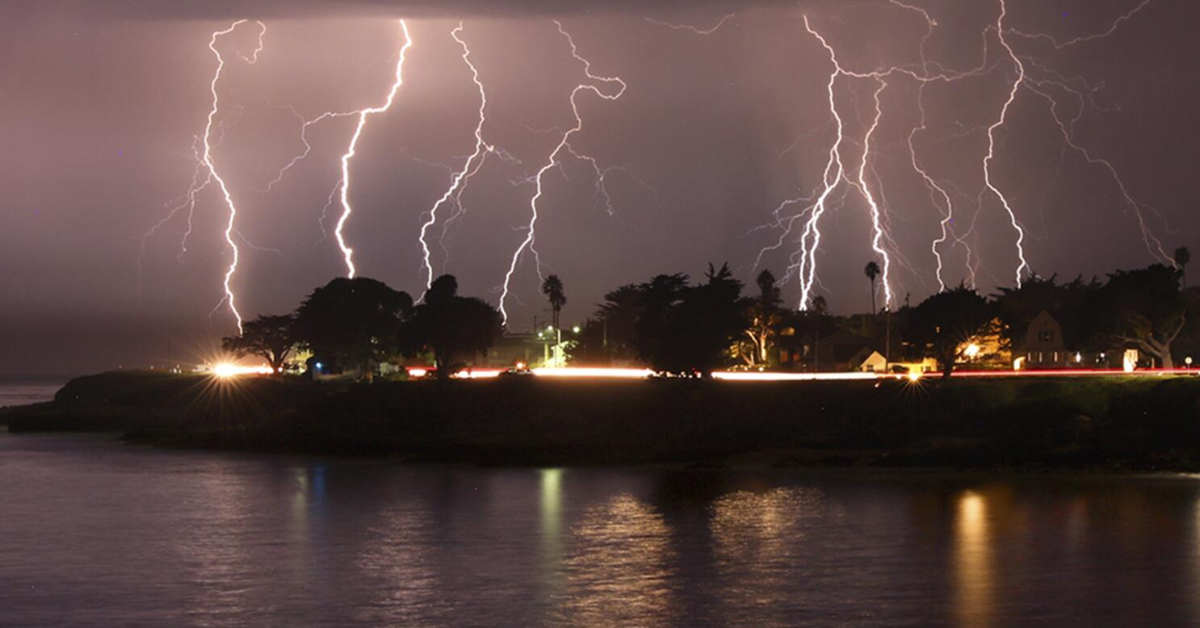
Dry lightning happens when lightning strikes occur without significant rainfall hitting the ground. This means that sparks from the lightning can easily ignite dry vegetation, leading to wildfires. According to the National Weather Service (NWS), dry lightning is especially common during hot, dry conditions when the rain evaporates before reaching the earth’s surface.
For the Bay Area, this combination is particularly concerning because of the vast areas of dry brush and grasslands inland. When dry lightning accompanies a heatwave, sparked fires can spread faster, threatening homes and wildlife. Firefighters often describe these kinds of fires as some of the hardest to control because they can erupt suddenly and in multiple locations.
Heatwave Expected to Boost Fire Risk Across the Region
The National Oceanic and Atmospheric Administration (NOAA) has issued warnings about the upcoming heatwave in the Bay Area, with temperatures projected to rise well above normal for this time of year. Heatwaves dry out soil and vegetation, further increasing fire susceptibility. Moreover, high temperatures can strain public health resources and create discomfort, particularly for younger people and elderly residents.
Emergency services are advising residents to prepare for the heat by staying hydrated, avoiding outdoor activities during peak heat hours, and ensuring their homes are ready for potential fire risks. Those living near wildland areas are urged to clear dry brush and create defensible space around their properties.
Community Actions and Preparedness Tips
Communities across the Bay Area are working together to reduce the risks posed by extreme heat and dry lightning. Local fire departments recommend staying alert to emergency notifications and evacuations if needed. Installing smoke detectors, having an evacuation plan in place, and keeping fire extinguishers ready can make a big difference in emergencies.
Residents can also help by reporting downed power lines or suspicious fires immediately. Public awareness campaigns highlight the importance of avoiding outdoor burning and being cautious with outdoor equipment that could create sparks. These simple actions contribute to preventing uncontrolled wildfires.
Future Outlook and Climate Trends
The trend of hotter summers and increased fire risk in the Bay Area is expected to continue as climate change impacts weather patterns. According to the California Department of Forestry and Fire Protection (Cal Fire), fire seasons are becoming longer and more severe, calling for greater community resilience and adaptation strategies.
Younger generations are encouraged to stay informed and involved in climate discussions, as these challenges will shape their future. By fostering awareness and responsible behavior, everyone can contribute to reducing the impact of heatwaves and fires in their local area.
Conclusion
The Bay Area’s upcoming heatwave and dry lightning threats highlight the urgent need to prepare for weather-related risks. With higher temperatures drying out the landscape and lightning sparks ready to ignite fires, residents must stay vigilant and proactive. By following safety guidelines and supporting community efforts, the region can better handle these natural challenges.
Stay updated with official sources like the National Weather Service and Cal Fire to receive timely alerts and protect yourself and your loved ones during this risky weather period.