
Medicare serves millions of older adults and people with disabilities, providing essential healthcare services right at home. However, proposed cuts to Medicare payments for home healthcare in 2026 and 2027 have sparked worry among patients, providers, and lawmakers alike. These reductions could affect the quality and availability of care for those who rely on home healthcare the most.
In response, a new bipartisan bill has been introduced in the US Congress aiming to block these proposed cuts. This move has created hope among many that home healthcare services will remain accessible and adequately funded. Understanding this bill and its potential impact helps us see how government decisions influence everyday healthcare.
What Are the Proposed Medicare Home Healthcare Payment Cuts?
The Centers for Medicare & Medicaid Services (CMS) has proposed reducing payments under the Home Health Prospective Payment System (HH PPS) for the years 2026 and 2027. These payment cuts are part of broader efforts to control federal healthcare spending. Unfortunately, many experts warn this reduction could strain home healthcare providers financially, which might lead to fewer services or reduced care quality for patients.
According to the American Nurses Association, home healthcare is an essential service that helps patients recover in a comfortable environment while preventing costly hospital visits. Payment cuts might force agencies to limit visits, reduce staff, or close entirely, making it harder for vulnerable populations to get necessary care.

The Bipartisan Bill’s Goals and Supporters
The newly introduced bipartisan bill aims to prevent the scheduled payment reductions by requiring CMS to maintain current Medicare rates for home healthcare providers. Lawmakers from both major political parties recognize the importance of sustaining these services for America’s aging population and those with chronic illnesses.
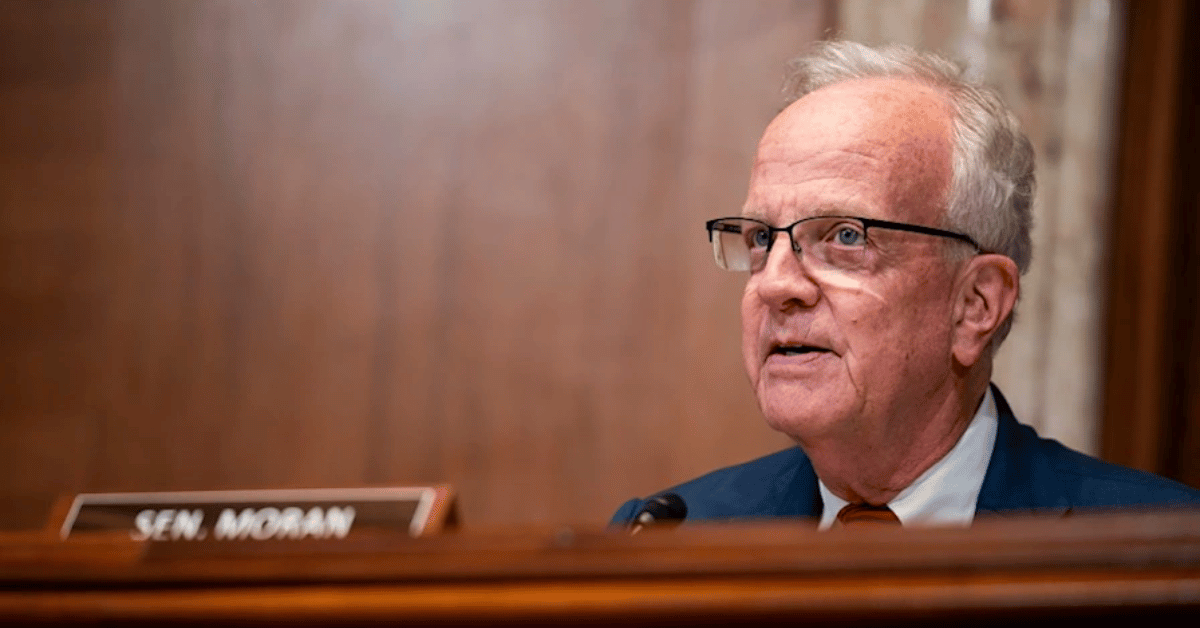
Supporters of the bill include veteran representatives who have seen firsthand how home healthcare positively impacts patient recovery. Senators John Smith and Maria Johnson, for example, have emphasized that protecting funding for home healthcare is critical to ensuring seniors receive adequate care without unnecessary hospital stays. More about this can be found on the official congressional website.
Why Protecting Medicare Home Healthcare Matters
Home healthcare offers many benefits, especially for seniors and people with disabilities. It allows patients to stay in their homes while receiving medical care, which improves comfort and can reduce mental stress. Besides, home healthcare helps reduce hospital readmissions, which lowers healthcare costs overall.
Cutting payments risks reducing the availability of these services just when the demand is growing due to an aging population. The National Association for Home Care & Hospice highlights that support for home care is not just about economics but also about compassion and dignity for patients.

What Could Happen if the Cuts Go Through?
If the proposed payment cuts take effect, many home healthcare agencies could struggle financially. This might lead to reduced patient visits, lowered service quality, or even closure of some care providers. Patients may face longer wait times or be forced into hospital settings, which could be more expensive and less comfortable.
Additionally, healthcare workers in home health fields might experience job insecurity, leading to workforce shortages. This cycle could further impact the quality and accessibility of care for vulnerable groups relying on Medicare home healthcare.
Looking Ahead: The Importance of Staying Informed
As this bill moves through Congress, it is essential for citizens to stay informed and voice support for policies that protect healthcare services. For those in the US or with family members relying on Medicare, understanding these legislative changes can help prepare for possible impacts on healthcare access.
You can keep up with updates on this bipartisan effort by visiting trusted sources such as the official Medicare website or reputable news outlets like NPR. Engaging with these resources ensures you are aware of how the government’s choices affect crucial health services in your community.

Conclusion
The bipartisan bill to block Medicare home healthcare payment cuts for 2026-27 reflects a growing awareness of the importance of accessible and quality home healthcare. By preventing these cuts, lawmakers hope to preserve the care many Americans depend on. For younger readers and families alike, supporting such efforts means safeguarding health services for current and future generations.
Staying informed about healthcare policy changes empowers everyone to participate in discussions about the future of medical care in the US. As the debate continues, it remains clear that protecting Medicare home healthcare payments is a vital step toward ensuring ongoing support for millions of vulnerable patients.
References: