Electric vehicle (EV) owners in California are about to face a significant change that affects their driving experience. For over two decades, EV drivers have enjoyed special perks, such as the ability to use carpool lanes even when driving alone. However, California is now planning to phase out this benefit, marking the end of an era for many environmentally conscious drivers.
This change has sparked discussions not only among California residents but also across the United States, as it reflects shifting policies on electric vehicles. Let’s explore what this change means, why it’s happening, and how it could impact EV drivers moving forward.
What Was the HOV Lane Perk for EV Drivers?
For 25 years, electric vehicle owners in California could use High Occupancy Vehicle (HOV) lanes, commonly known as carpool lanes, regardless of how many passengers were in their vehicle. This perk helped EV owners save time during their commutes by avoiding heavy traffic. It also served as an incentive to encourage more people to switch to cleaner transportation options.
According to the California Department of Motor Vehicles (DMV), this policy aimed to reduce air pollution and promote the adoption of electric vehicles across the state. The special decals issued to EVs made them eligible for this benefit, helping many drivers enjoy a smoother, faster ride during busy hours. Regular drivers had to carpool, but EV owners were treated differently because of their eco-friendly choice ([California DMV](https://www.dmv.ca.gov/portal/vehicle-registration/licensing-special-plates-decals/ev-carpool-lane-decals/)).

Why Is California Ending This Perk Now?
There are several reasons why California decided to withdraw this major perk for EV drivers. Firstly, the number of electric vehicles has dramatically increased in recent years. With hundreds of thousands of electric vehicles now on the road, the carpool lanes are becoming overcrowded, reducing their effectiveness for carpooling and ridesharing.
The California Air Resources Board (CARB) explains that while EV drivers were originally rewarded for choosing clean vehicles, the goal now is to balance environmental benefits with traffic management and fairness for all drivers ([CARB](https://ww2.arb.ca.gov/resources/fact-sheets/clean-vehicles-carpool-lane-decal-program-fact-sheet)). The decision reflects a shift in focus toward encouraging shared rides and reducing congestion rather than only promoting electric vehicles.
What Will Change for EV Drivers Starting in 2024?
Starting January 1, 2024, the program that allowed single-occupant EVs to use carpool lanes will end for most vehicles. Drivers will no longer receive new carpool lane decals, and existing decals will expire. Without these decals, EV owners will have to follow the same carpool lane rules as other drivers, meaning they won’t be allowed to use those lanes unless they have multiple passengers.
However, some exceptions may remain for specific clean vehicles, such as hydrogen fuel cell cars, but these will be limited. This change is expected to encourage more carpooling and better use of the available road space across California. EV drivers will need to plan their routes carefully as they adjust to this new rule.

How Will This Impact EV Sales and Usage?
Some industry experts believe that removing this perk might slow down the growth of electric vehicle adoption in California because convenience has been a big motivator for buyers. However, others argue that as EVs become more affordable and convenient through other developments like charging infrastructure, the loss of carpool access won’t make a huge difference.
Moreover, the state continues to offer other incentives such as tax credits, rebates, and grants to support electric vehicle purchases. The focus is now on making EVs practical and accessible while ensuring traffic flows smoothly on busy highways. Analysts suggest that future policies will continue to evolve with the needs of both the environment and road users in mind.
What Alternatives Do EV Drivers Have?
EV drivers in California can still benefit from green transportation options even without carpool lane access. Using public charging stations, taking advantage of tax rebates, and participating in carpool or rideshare programs will remain important strategies for saving money and reducing carbon footprints.
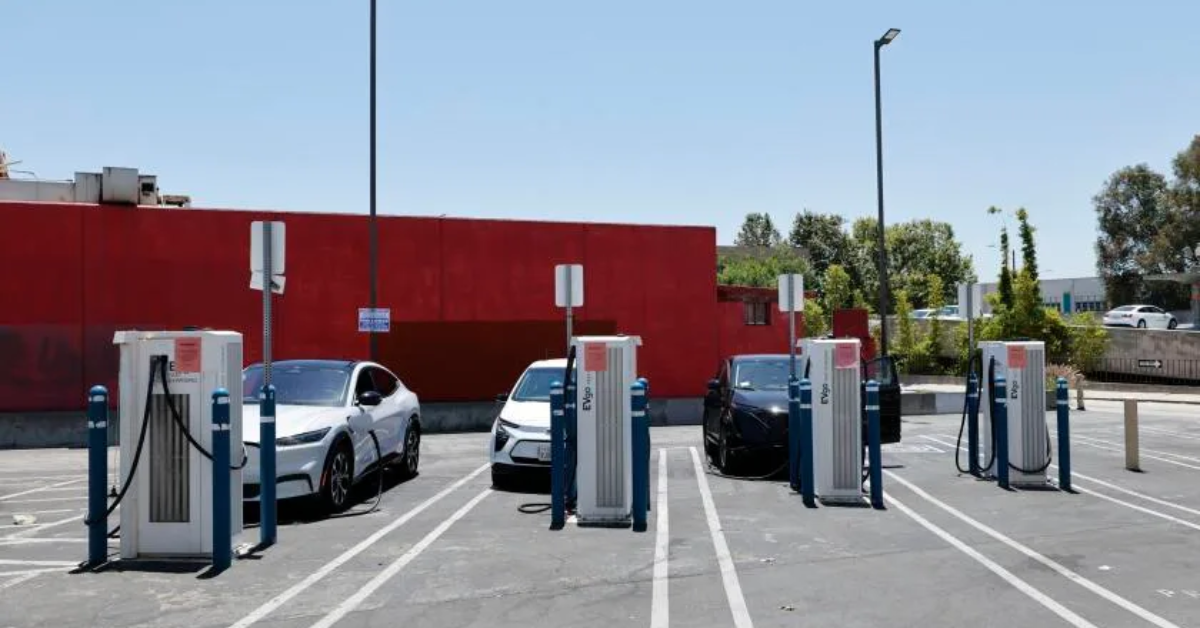
In addition, the state is expanding its network of fast chargers and investing in new technologies to make EV ownership easier. Drivers are encouraged to stay updated on local regulations and explore these alternatives to enjoy the full advantages of electric vehicles.

Conclusion: Adapting to a New Era for EV Drivers
The end of carpool lane access for single-occupant EVs marks a major shift in California’s transportation policy after 25 years. While this may feel like a setback, it reflects a maturing market and the need to balance multiple priorities like traffic management, fairness, and environmental goals.
For EV drivers, it’s a reminder to stay flexible and informed. The future of clean transport still looks bright, with many incentives and innovations on the horizon. By adapting to these changes, drivers can continue to enjoy the benefits of electric vehicles while contributing to a healthier planet.