
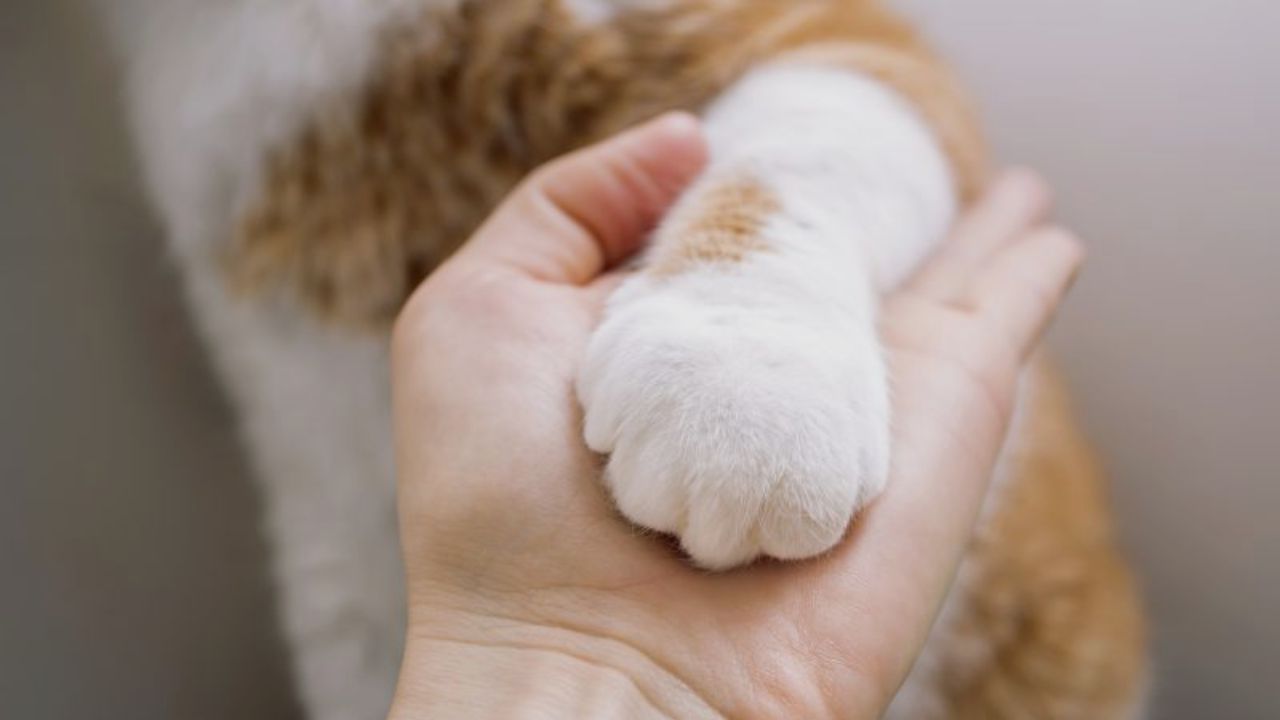
Sacramento, CA – California has taken a landmark step in animal welfare by officially banning the declawing of cats statewide. Governor Gavin Newsom signed Assembly Bill 867 into law, making California the largest U.S. state to outlaw the controversial procedure often described as cruel and unnecessary.
The new law, authored by Assemblymember Alex Lee (D–San José), was signed on Thursday and hailed by animal rights advocates as a major victory for compassion and responsible pet care.
Under the law, declawing is now prohibited except when medically necessary to treat an illness or injury that affects a cat’s health.
A Historic Win for Animal Rights
Animal welfare groups have spent years campaigning to end the practice, which they describe as an amputation rather than a grooming procedure. Declawing involves surgically removing the first bone of each toe or severing tendons that control claw movement — effectively mutilating the animal’s paws for human convenience.
“Declawing isn’t a nail trim — it’s a painful amputation that has no place in a compassionate society,” said Dr. Marilyn Kroplick, president of In Defense of Animals, one of the organizations that spearheaded the campaign. “Today’s victory proves California is leading the way in protecting cats and prioritizing their well-being over human convenience.”
The Cruel Reality Behind Declawing
Once common in U.S. households, cat declawing has come under growing scrutiny from veterinarians and animal behavior experts. The procedure, often performed to prevent cats from scratching furniture or people, can result in lifelong pain, arthritis, nerve damage, infections, and behavioral problems.

Studies have shown that many declawed cats develop chronic pain or avoid using litter boxes due to discomfort, while others exhibit increased aggression and biting. Animal advocates also note that declawed cats are more likely to be abandoned or surrendered to shelters once these issues appear.
Assemblymember Lee called the practice “outdated, cruel, and unethical.” In his statement, he said, “Cat declawing, the amputation of the first knuckle of each cat’s toes, is an outdated, cruel, and unethical surgical procedure that results in lifelong disfigurement and pain.
Many countries have already outlawed this inhumane practice. AB 867 shows the nation and world that California does not endorse surgical mutilation performed electively on healthy cats for human convenience.”
California Joins a Small But Growing List of States
With this move, California joins New York, Maryland, Massachusetts, and Rhode Island as one of only a handful of states that have enacted full statewide bans on cat declawing.
Several California cities were already ahead of the curve, with Los Angeles, San Francisco, Berkeley, Burbank, Santa Monica, Beverly Hills, Culver City, and West Hollywood having local bans in place. West Hollywood became the first jurisdiction in the United States to prohibit declawing back in 2003.
Veterinarians Express Concern About Limited Exceptions
While the new law has drawn broad praise from animal welfare advocates, it has also faced some opposition from the California Veterinary Medical Association (CVMA). The group warned that the legislation could interfere with veterinarians’ ability to make individualized medical decisions for their patients.

“When our veterinarians are telling us that they’re performing the procedure, it’s usually because the elderly patient is on chemotherapy, on a blood thinner … and they can’t risk being scratched,” said Grant Miller, CVMA’s director of regulatory affairs, during a legislative hearing.
Miller emphasized that declawing is already rare, with surveys showing that nearly 80% of veterinarians in California no longer perform the procedure. However, he cautioned that AB 867 could limit cases where the operation might be medically necessary for both human and animal safety.
Medical Exceptions and Enforcement
Under the new law, declawing may still be performed only for legitimate medical reasons, such as treating tumors, infections, or injuries that pose a health risk to the cat. Performing the procedure for cosmetic purposes or to prevent scratching is now strictly prohibited.
Violations could result in disciplinary action or penalties under the state’s veterinary regulations. The law is expected to go into effect in early 2026, allowing time for clinics to adjust their policies.
A Cultural Shift Toward Compassion
Animal welfare advocates say this legislation reflects a broader cultural shift in how society views companion animals. They argue that California’s ban is another step in a growing movement to end unnecessary suffering and promote responsible ownership.
“California has long been a leader in animal protection,” said In Defense of Animals in a statement. “Today’s signing of AB 867 further cements the state’s commitment to compassion and ethical treatment of animals.”

With this new law, California reinforces its role as a national leader in progressive animal welfare policies, setting a precedent that other states may soon follow.
Do you agree with California’s decision to ban cat declawing statewide? Should more states adopt similar laws? Share your thoughts in the comments at hamiltonpawprint.com.