California is bracing for powerful weather changes this week as remnants of Tropical Storm Mario approach the region. Meteorologists have warned that the state could experience strong thunderstorms accompanied by dry lightning, which poses significant risks for wildfires. This unexpected weather event has caught the attention of residents and officials alike, highlighting the need to stay informed and prepared.
The tropical storm remnants are pulling moisture from the Pacific Ocean, creating conditions that could trigger intense lightning storms without much rain. Dry lightning is especially dangerous in California’s dry landscapes, increasing the likelihood of new fires breaking out. Authorities are closely monitoring the situation and advising people to remain cautious in the coming days.
What Are the Remnants of Tropical Storm Mario?
Tropical Storm Mario formed in the Eastern Pacific and recently weakened, but its leftover moisture is still moving toward California. These remnants are clouds and moisture left behind after a storm has lost its strength but can still affect weather conditions significantly. According to the National Weather Service, the moisture from Mario is expected to interact with California’s dry air, leading to unstable conditions that favor thunderstorms and lightning.
This interaction can cause erratic and dangerous weather patterns, including dry lightning strikes that can spark wildfires in vulnerable areas. The National Oceanic and Atmospheric Administration (NOAA) has highlighted the threat of dry lightning in their recent updates, urging residents to remain vigilant.
Why Is Dry Lightning a Concern?
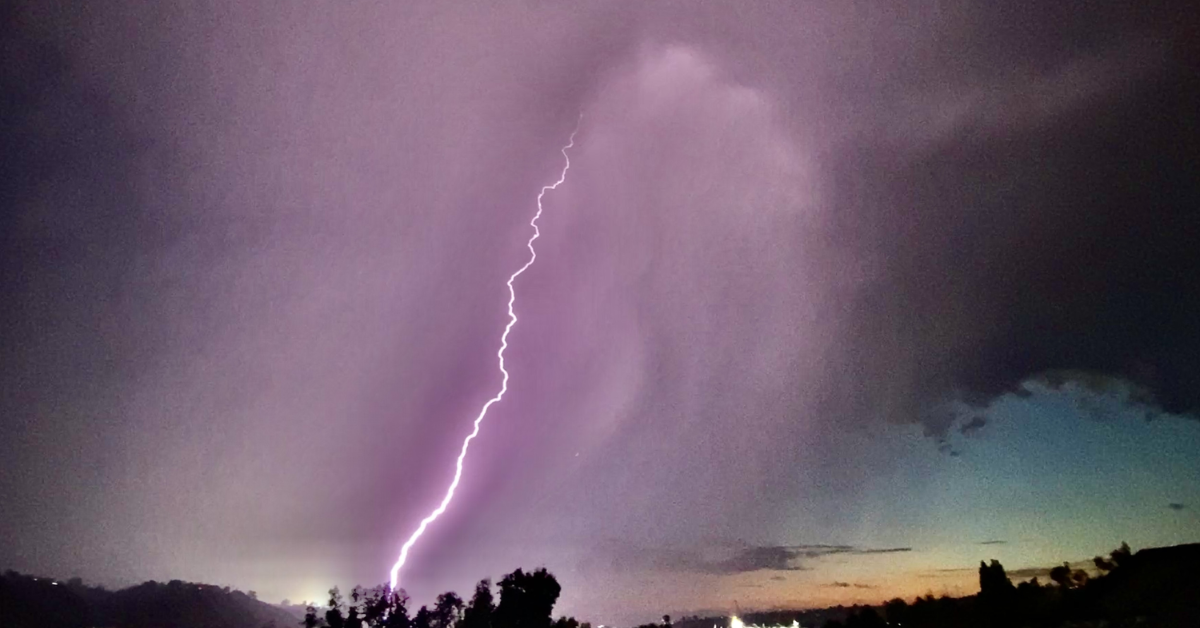
Dry lightning occurs when lightning strikes happen without significant rainfall reaching the ground. This means that while the skies are active with storms, the dry earth below does not get wet enough to prevent fires. California’s dry environment, especially during late summer and early fall, makes it highly susceptible to wildfires caused by dry lightning.
Experts from Cal Fire have emphasized that these types of lightning events can lead to “rapid and widespread” fire outbreaks. With California’s wildfire season already intense, the added threat from Mario’s remnants makes this week particularly risky for fire dangers. Residents in wildfire-prone regions are encouraged to keep fire safety measures in mind and stay updated on fire bans and restrictions.
Areas Most Likely to Be Affected
The latest forecasts suggest that Southern California and parts of Central California could see the most significant impacts. Regions including Los Angeles, San Diego, and the surrounding mountain and desert areas are particularly vulnerable due to dry vegetation and previous fire damage. The combination of lightning and dry conditions could lead to multiple fire starts across these areas.
Weather authorities are closely tracking convection zones where thunderstorms might develop heavily, and the risk for dry lightning is highest. People living in these areas should monitor local weather updates from trusted sources like the National Weather Service and NOAA for real-time alerts.
How Should Residents Prepare?
Staying safe during this period means being prepared and aware. Residents should have an evacuation plan in place and keep emergency kits ready, following guidelines from Cal Fire and local emergency services. It’s also a good idea to clear dry brush and other combustible materials around homes to reduce fire risks.
Checking weather updates regularly can help you stay ahead of any sudden changes. Reliable sources include the National Weather Service, NOAA, and Cal Fire. Additionally, following local news and alerts on smartphones can provide immediate information if evacuation or other safety actions become necessary.
Looking Ahead: What This Means for California’s Weather
The arrival of Tropical Storm Mario’s remnants signals an unusual shift in California’s weather pattern for this time of the year. While thunderstorm activity is not uncommon, the presence of dry lightning adds a layer of complexity to the state’s wildfire challenges. This event reminds everyone about the growing impact of climate change on weather extremes and fire risks.
Scientists continue studying how tropical storm remnants affect fire seasons, as wet conditions may help dampen fires but lightning without rain often increases the danger. Being prepared and understanding these risks can make a big difference for communities and firefighting efforts.
Stay informed and take all cautions seriously this week, as California experiences this dynamic weather period influenced by the remnants of Tropical Storm Mario.