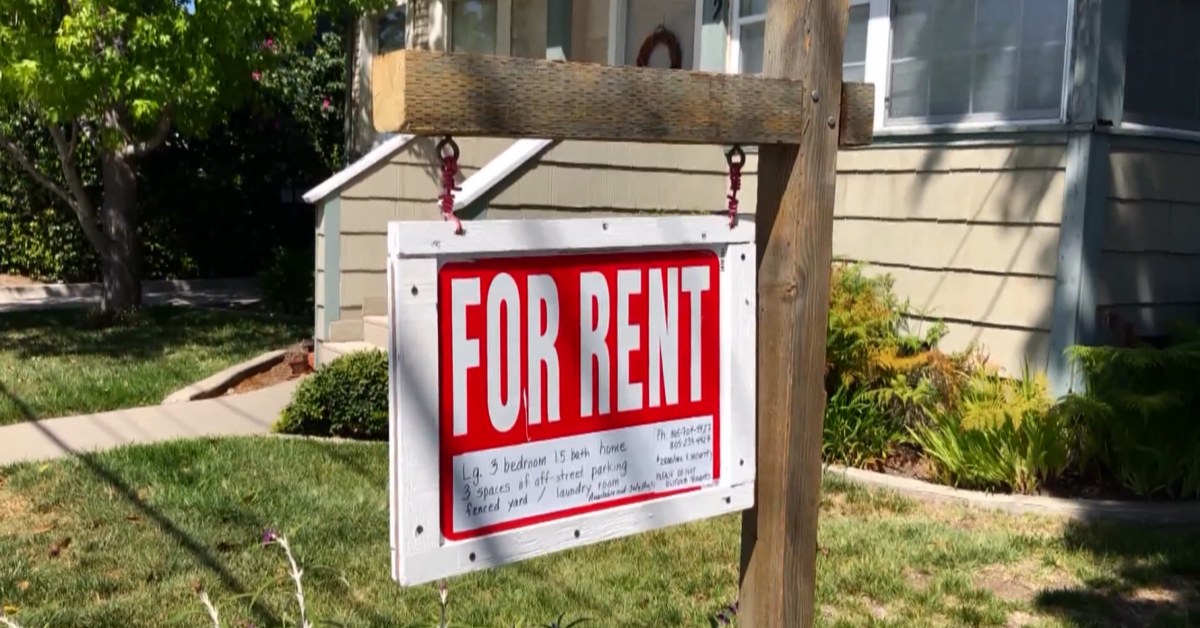

If you are living in California or planning to move there, understanding rent increase laws is very important. In 2025, new rules are in place to protect tenants from unexpected rent hikes. These laws are designed to help renters, especially younger people and families, find stable and affordable housing in a competitive market.
Knowing your rights as a tenant can prevent financial stress and keep your renting experience smooth. This article will explain the major rent increase caps, limits, and tenant protections set by the state of California in 2025. Whether you are a renter or a landlord, this guide will keep you informed about the latest legal updates.
What Are the Rent Increase Caps in California for 2025?
California has a statewide rent control law known as the Tenant Protection Act of 2019, which continues in 2025 with some adjustments. The main rule is that annual rent increases for most residential properties cannot go beyond 5% plus the local inflation rate, usually measured by the Consumer Price Index (CPI). However, the maximum allowed increase will never be more than 10% in a 12-month period.
This cap helps renters avoid big jumps in monthly rent that could be hard to afford. For example, if your rent was $1,000 per month, the maximum increase would be around $50 plus the inflation adjustment, but not more than $100 total.
Exceptions and Properties Not Covered by Rent Caps
Not all rental units are subject to these rent increase limits. The law mainly applies to properties built before January 1, 2005. Newer buildings, single-family homes, and condos often have different rules or may be exempt unless owned by large corporations. These exceptions are important for renters to understand so they know whether their unit is protected.
Additionally, landlords can increase rent above the cap if they make major improvements or face specific financial hardships, but this usually requires approval or notice.
Tenant Protections Beyond Rent Caps
California law also offers strong tenant protections in 2025. For example, landlords must provide written notice before any rent increase. If the increase is 10% or less, they must give 30 days’ notice. For increases higher than 10%, 90 days’ notice is required.
The state also limits reasons for eviction, protecting tenants from being pushed out simply because of rent increases beyond these limits. Additionally, during the COVID-19 pandemic, some extra protections were in place and parts of these have extended or influenced ongoing laws, as explained by the California government website.
How to Handle Rent Increases as a Tenant
If you receive a rent increase notice, it’s important to check if your landlord has followed the legal steps. The rent hike should not be more than allowed by law, and notice periods must be respected. If you feel your rent increase is unfair, you can contact local rent boards, tenant unions, or seek legal advice.
Many cities in California, like Los Angeles and San Francisco, have additional rent control ordinances on top of the state law. Checking city-specific rules can be very helpful. Useful resources for tenants include official city government websites and tenants’ rights organizations.
What Landlords Need to Know About Rent Increase Laws
For landlords, understanding 2025 rent increase rules is equally important to avoid legal issues. They must comply with state and local caps and provide proper notice to tenants. Documentation of rent history and any property improvements is useful if they plan to raise rent beyond normal limits.
Landlords are encouraged to stay updated through official channels like the California Department of Housing and Community Development for changes in legislation and best practices.

Conclusion: Staying Informed Is Key to Renting Smoothly in 2025
California’s rent increase laws in 2025 aim to balance the needs of tenants and landlords. Rent caps protect renters from sudden large increases, while tenant protections ensure fair treatment. Whether you are renting or renting out property in California, knowing these laws helps you avoid surprises and disputes.
Always check for local rules, keep records, and communicate clearly. This knowledge will empower you to manage rent changes with confidence in the challenging housing market of 2025.