
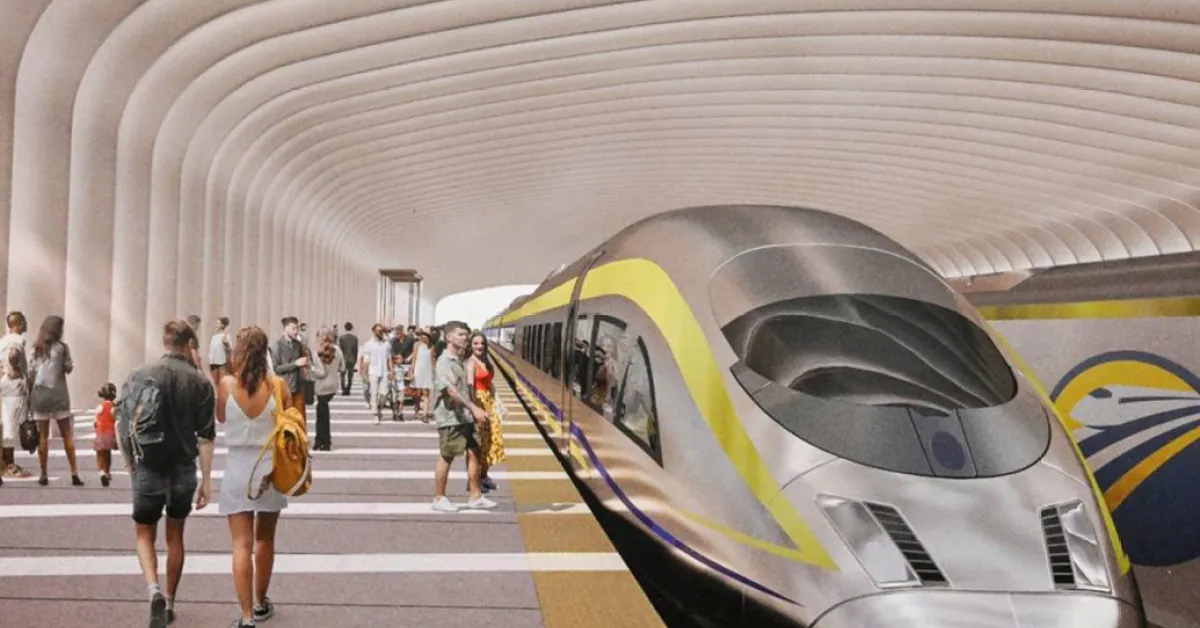
California’s ambitious plan to build a high-speed rail connecting major cities promised faster travel and a greener future. However, the project has been plagued by delays, budget overruns, and management issues. These challenges raise questions about the feasibility of completing such a complex infrastructure within the current timeline and budget.
Many people hoped the rail line would change how Californians travel between cities like San Francisco and Los Angeles. Instead, the project faces continued setbacks, leaving taxpayers and commuters frustrated. Understanding the reasons behind these issues can help younger generations and global readers relate to America’s struggle with large public works.
Background of California’s High-Speed Rail Project
The California High-Speed Rail was designed to connect the state’s largest cities through a fast, efficient rail system. Approved by voters in 2008 with a budget of around $33 billion, the plan aimed to reduce traffic congestion and pollution significantly. However, as years passed, costs soared, and the initial timeline was repeatedly pushed back.
Originally, the high-speed rail was supposed to be operational by 2020, but the current estimate has pushed the completion to at least 2033, and some experts believe even later dates are possible

Delays Due to Construction and Legal Challenges
One major issue causing delays is the complexity of construction. Building a high-speed rail requires laying new tracks, creating tunnels, and purchasing special trains. Many parts of California, especially urban areas and protected natural zones, pose engineering difficulties.
Additionally, legal disputes from landowners and environmental groups have slowed the project. Lawsuits targeting land acquisition have stalled progress, showing how complicated infrastructure projects are when balancing public interests and private rights.
Rising Costs and Budget Overruns
Cost overruns are a significant concern. Initially estimated at $33 billion, the project’s cost could exceed $100 billion, more than triple the original budget. These increases come from construction challenges, inflation, and changes in project scope.
The State Auditor’s office highlighted financial mismanagement and inefficiencies in the California High-Speed Rail Authority. This has further damaged public trust and raised questions about the project’s future viability.

Impact on California Residents and Economy
Many California residents hoped the rail system would provide affordable, quick transportation and reduce car usage. However, due to ongoing delays, commuters continue to rely on existing highways and airports, which remain congested and polluting.
The project’s financial strain also risks diverting state funds from other important areas like education and healthcare. Young Californians concerned about job opportunities and environment are watching closely to see how this large public investment unfolds.
Lessons for Future Infrastructure Projects
The troubles with California’s high-speed rail offer important lessons for other large infrastructure programs. Clear planning, realistic budgeting, and public accountability are essential. Projects must balance environmental protection, efficient construction, and community interests to avoid long-term problems.
Moreover, regular updates and transparent communication with the public can help maintain trust during complicated and extended projects.

Conclusion: Is There Hope for Completion?
Despite the setbacks, some officials remain optimistic about finishing parts of the rail system in the coming years. However, with costs rising and deadlines slipping, the future of California’s high-speed rail remains uncertain. For young people and global observers, the project is a reminder of the challenges in transforming ambitious ideas into reality.
Understanding the complexities behind this project helps us appreciate how important infrastructure decisions impact everyday life and the economy. Until the rail is fully operational, Californians will continue to face transportation challenges with hopes for a better, faster system.