
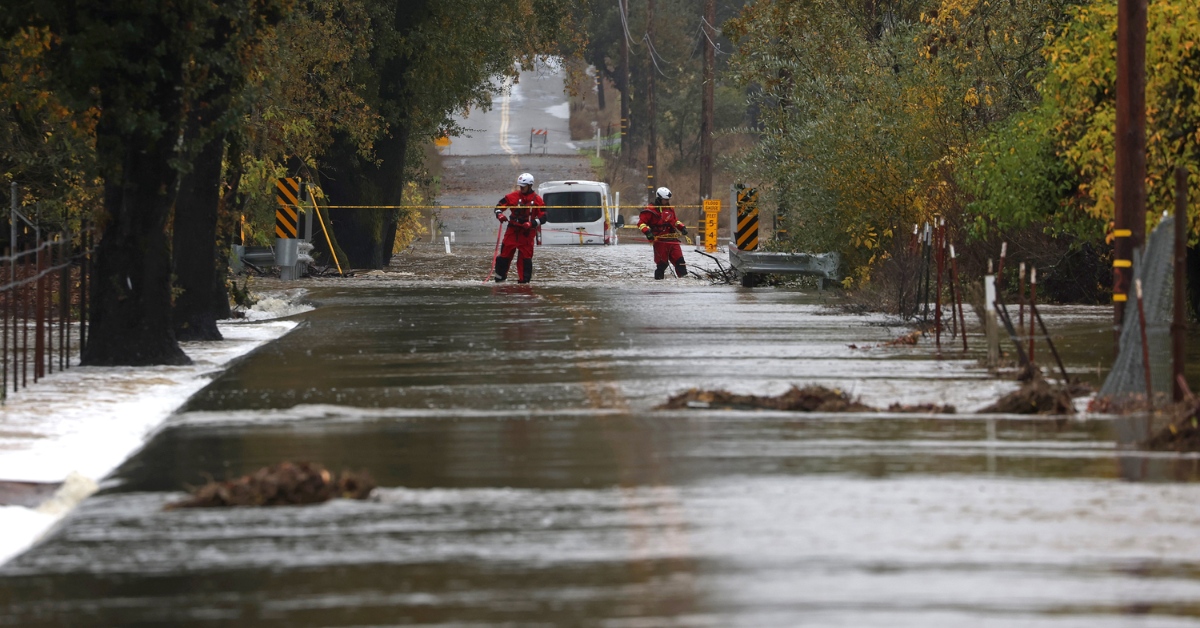
California is famous for its sunny beaches and warm climate, but recent years have shown a surprising twist in its weather patterns. The state is experiencing extreme changes that can shift rapidly from scorching heatwaves to unexpected snowstorms. These sudden shifts are challenging for residents and visitors alike, making it hard to know what to expect from day to day.
This weather whiplash is a growing concern for many. Scientists link these swings to wider climate changes impacting the region, affecting everything from daily life to agriculture. In this article, we’ll explore why California’s weather is so unpredictable and how these extreme changes affect the state.
Understanding California’s Heatwaves
Heatwaves in California have become more frequent and intense. During summer, temperatures can soar above 100°F (38°C), especially in southern regions and inland areas where the heat feels unbearable. These extreme heat spells are dangerous because they increase the risk of wildfires, dehydration, and heat-related illnesses.
According to the NOAA Climate.gov, heatwaves have grown stronger partly due to global warming, which traps more heat in the atmosphere. For Californians, this means longer summers with fewer cool days, stressing both people and nature.

The Unexpected Arrival of Snowstorms
Even more surprising are the sudden snowstorms that hit parts of California during fall or early spring. These storms bring heavy snow to mountain areas and sometimes to lower elevations unexpectedly. Snowstorms can cause power outages, road closures, and disruptions to everyday life, especially when residents are unprepared.
The National Centers for Environmental Information explain that changing ocean currents and shifts in jet streams can suddenly drop temperatures, bringing cold air and moisture together to create these snow events. This variability in weather patterns is becoming more common as the climate continues to change.
What Causes This Weather Whiplash?
Scientists say that the rapid switch between heatwaves and snowstorms is due to a combination of factors linked to climate change. Rising global temperatures increase the amount of water vapor in the air, which can lead to more extreme weather events. At the same time, shifts in atmospheric pressure and wind patterns can cause cold air to move down from the north, triggering snowstorms.
According to the U.S. Department of Energy, these conflicting forces create a chaotic system where both extreme heat and cold can happen close together in time. This unpredictability is a hallmark of the new climate reality.

Impact on Californians and the Environment
The changes in weather are affecting everyday life in California. Heatwaves increase energy demand for air conditioning, leading to higher electricity bills and sometimes power shortages. Snowstorms, on the other hand, can disrupt travel and cause accidents on roads not prepared for icy conditions.
Farmers also face challenges as crops may get damaged by sudden freezes after a heatwave or placed under stress from extreme heat. Moreover, wildfires, which are more common in hot, dry periods, threaten homes and forests. These effects highlight the need for better preparedness and adaptive measures.
Preparing for a Future of Extreme Weather
Experts say Californians must adapt to these rapid weather changes by improving infrastructure and disaster response systems. Building more resilient power grids, expanding cooling centers, and enhancing snow removal strategies are essential steps. Communities must also increase awareness about the potential dangers of both heatwaves and snowstorms.
The good news is that efforts to reduce greenhouse gas emissions can help slow down climate change and possibly lessen the severity of these events in the long run. Staying informed and ready for sudden weather shifts can help people stay safe and reduce the impact of California’s weather whiplash.