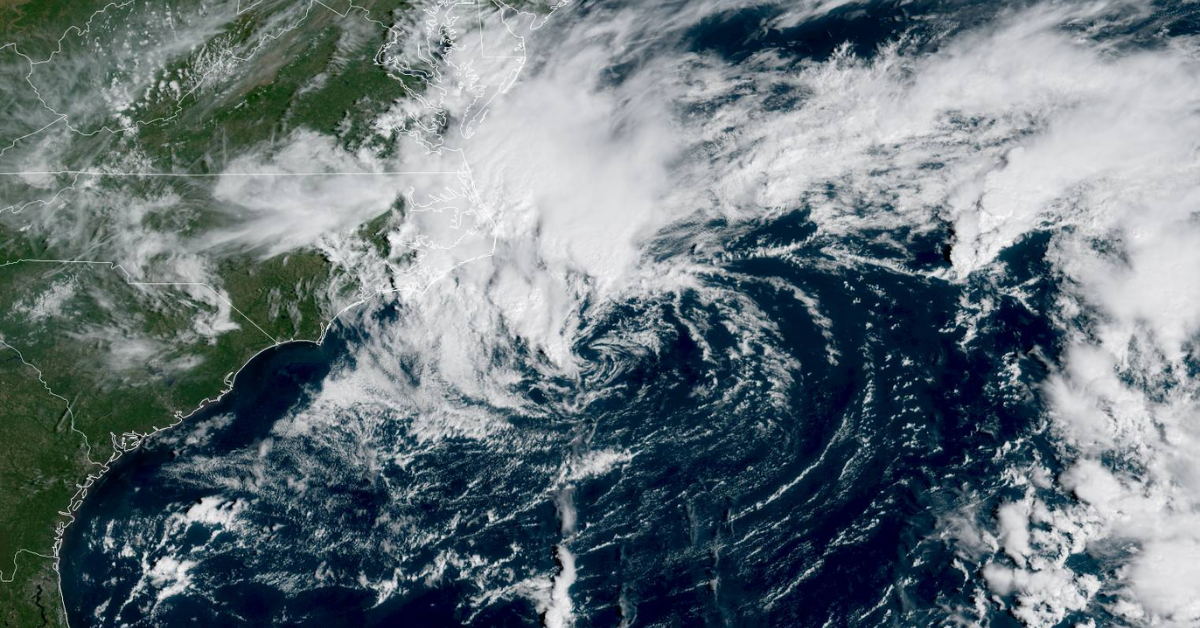
A strong coastal storm is heading toward the Mid-Atlantic region, including North Carolina, Virginia, Maryland, Delaware, and New Jersey. This weather system is expected to bring heavy rain, coastal flooding, and hazardous rip currents, causing risks for residents and visitors along the shoreline. People living in or visiting these areas should stay updated about the storm’s progress and take necessary safety measures.
The storm is predicted to impact daily life by causing traffic disruptions, property damage, and unsafe swimming conditions. Local authorities are already issuing warnings, and the National Weather Service is closely monitoring the situation. It is important to know what to expect and how to stay safe during this storm.
Heavy Rain and Potential Flooding in the Mid-Atlantic
The coastal storm is expected to deliver heavy rainfall over several days, leading to possible flooding in low-lying and urban areas. Floodwaters may affect roads, homes, and businesses, causing travel delays and property damage. According to the National Weather Service, residents in the region should be prepared for intense rain that can quickly overwhelm storm drains and cause flash floods.
It is advisable to avoid driving through flooded areas, as floodwaters can hide deep potholes or contain strong currents. Also, keeping important documents and valuables on higher ground can help reduce damage from any possible water intrusion.
Coastal Flooding Risks and Impact on Shore Communities
Along the coastline from North Carolina to New Jersey, the storm’s strong winds and high tides will likely cause coastal flooding in vulnerable areas. Beach erosion and flooding of streets near the shore are possible, which may lead to road closures and power outages. Residents in these communities should follow updates from local emergency agencies and be ready to evacuate if necessary.
According to NOAA, coastal flooding during storms can damage infrastructure like seawalls and piers, affecting local businesses and tourism. Shore visitors should heed all posted warnings and avoid walking or driving on flooded beaches.
Dangerous Rip Currents Threaten Swimmers and Beachgoers
One serious threat during this coastal storm is the development of strong rip currents along beaches from North Carolina up to New Jersey. Rip currents are powerful water flows moving away from the shore that can easily pull swimmers out to deeper water. Even strong swimmers may struggle against these currents.
The American Red Cross advises that beachgoers avoid entering the water during storm conditions. Lifeguards may close beaches to prevent accidents. It’s important to swim only in designated safe areas once the storm passes and conditions improve.
Safety Tips for Residents and Visitors
To stay safe during the coastal storm, follow these tips: check local weather and emergency updates regularly, avoid unnecessary travel in flooded areas, and secure outdoor items that could be blown away by strong winds. If you live close to the coast, prepare an emergency kit including water, non-perishable food, flashlights, and batteries.
During the storm, stay indoors as much as possible, and if evacuation orders are given, follow them promptly. Avoid swimming or walking on beaches until authorities confirm it is safe. Preparing in advance can reduce risks and help protect your family and property.
Conclusion: Stay Informed and Prepared for the Coastal Storm
This coastal storm poses serious challenges, especially for residents and tourists in the Mid-Atlantic region from North Carolina to New Jersey. Heavy rain, coastal flooding, and dangerous rip currents require caution and preparedness to avoid accidents and damage. By staying informed through trusted sources like the National Weather Service and NOAA, and following safety guidelines, everyone can better protect themselves during this weather event.
Remember, storms like this may also disrupt transportation and local services, so plan accordingly and prioritize safety. With awareness and care, you can manage through the storm without major harm.