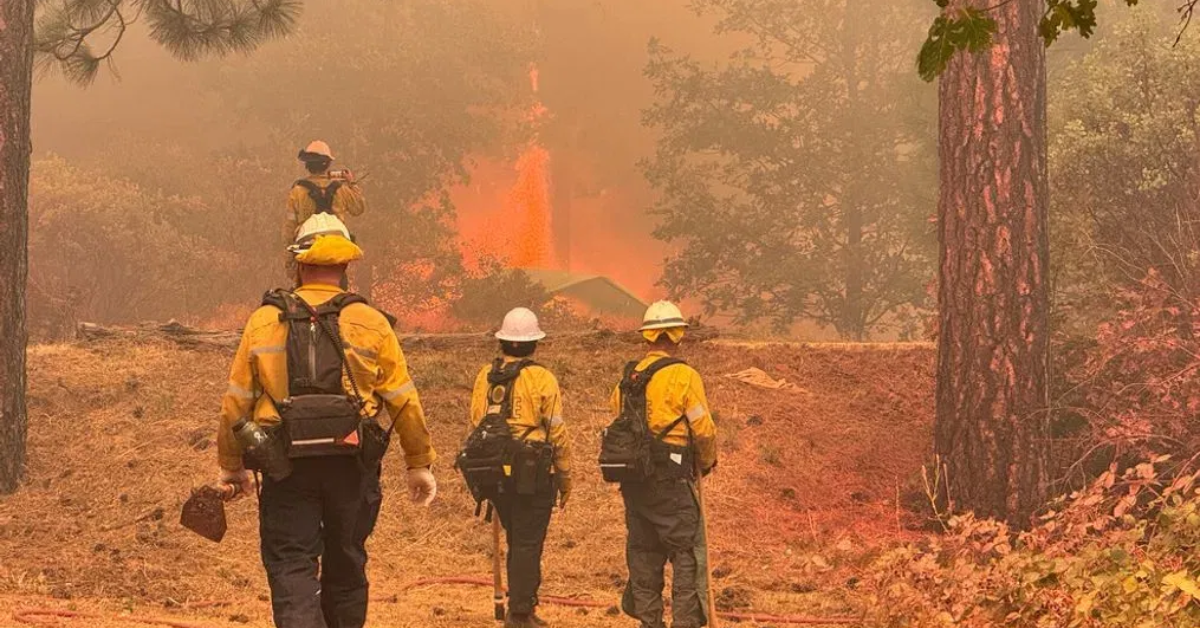
Northern California faces a serious threat as heavy rains hit the region, raising alarms about dangerous debris flows near the Park Fire burn scar. These flows are fast-moving landslides made up of mud, rocks, and other material, which can cause severe damage to communities living downhill. The burned land from the recent fire struggles to absorb water, increasing the risk of these destructive events.
Officials warn residents in affected areas to stay alert and prepared. The combination of recent fire damage and intense rainfall makes the landscape unstable and hazardous. Emergency services are monitoring the situation closely and urging people to follow safety guidelines to avoid harm.
What Are Debris Flows and Why Are They Dangerous?
Debris flows are a type of landslide where water mixes with soil, rock, and organic material, creating a heavy, fast-moving flow that can sweep away everything in its path. Unlike regular mudslides, debris flows have larger objects like boulders and tree trunks, making them especially destructive.
After wildfires like the Park Fire, the ground loses much of its vegetation, which normally helps hold soil together and soak up water. Without this natural barrier, rainwater quickly runs off the slopes, carrying loose soil and debris downhill at high speeds. This increases the risk of life-threatening events for homes, roads, and people in the area.

Impact of the Park Fire on Northern California’s Landscape
The Park Fire burned a large area in Northern California, destroying trees and plants that stabilised the soil. According to the U.S. Geological Survey (USGS), burned areas are much more at risk for debris flows, especially during periods of heavy rain like the current weather system.
The soil in the burn scar becomes hydrophobic, meaning it repels water rather than absorbing it. This leads to quick water runoff and increased erosion. When rains fall on these fire-damaged slopes, the chances of debris flows increase sharply, causing dangerous conditions for nearby residents.
Safety Precautions and What Residents Should Do
Local authorities and emergency crews advise residents near the Park Fire burn scar to remain vigilant, especially during heavy rain hours. Here are some important safety tips:
- Stay informed by monitoring local news updates and weather alerts.
- Have an evacuation plan ready and know the safest routes out of your area.
- Keep emergency supplies handy, including food, water, and important documents.
- Avoid streams, rivers, and low-lying areas prone to flooding or debris flow.
- Contact local emergency services if you see signs of debris moving downhill.
The California Department of Forestry and Fire Protection (CAL FIRE) continues to provide guidance and updates on fire-affected regions.

How Climate Change Is Increasing These Risks
Experts say that climate change is playing a role in increasing the frequency and intensity of wildfires and storms. Hotter, drier conditions make forests more susceptible to fires, which then create unstable landscapes vulnerable to heavy rains.
As weather patterns become more extreme, events like the debris flows near the Park Fire are expected to occur more often. This underlines the importance of building stronger disaster preparedness and response systems to protect communities across Northern California.
Conclusion: Stay Safe and Stay Updated
The threat of life-threatening debris flows near the Park Fire burn scar is very real as Northern California receives heavy rains. Residents should take warnings seriously and prepare for possible emergency situations. Listening to official updates and following safety tips can help save lives.
For continuous updates, keep an eye on trusted sources such as the U.S. Geological Survey, CAL FIRE, and local weather services. Being informed is the best defense against natural disasters in vulnerable regions.