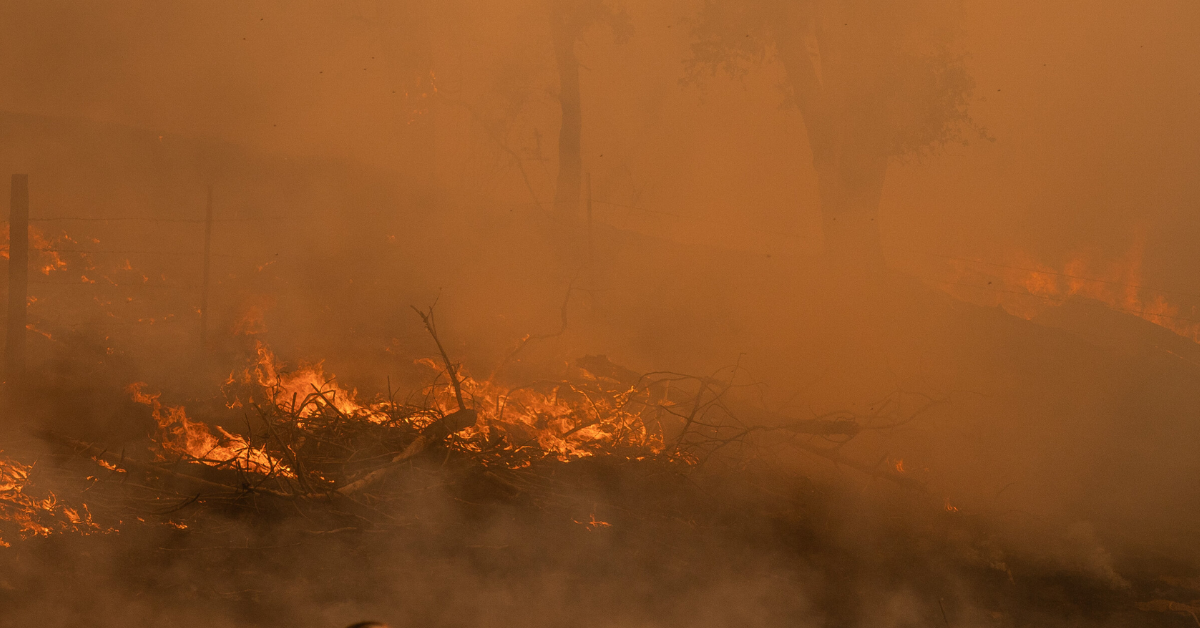
New York is currently facing an alarming health crisis due to toxic wildfire smoke spreading across the state. Unlike the usual smog and pollution, this smoke carries dangerous chemicals that can severely damage lungs and other organs. For many residents, especially the elderly and those with pre-existing health conditions, the situation is life-threatening. The air quality has drastically worsened, making everyday activities risky.
The cause of this smoke is wildfires that started far away but have blown into New York because of changing weather patterns. Experts warn that these wildfires will likely increase as global warming speeds up. Immediate action to protect public health is essential. Understanding how dangerous this smoke is can help people take better care of themselves and reduce further deaths.
What Makes Wildfire Smoke So Toxic?
Wildfire smoke is not just ordinary smoke; it contains tiny particles called PM2.5 that can penetrate deep into the lungs. According to the Environmental Protection Agency (EPA), these particles can cause respiratory issues, heart problems, and even increase the risk of death in sensitive groups. The smoke also includes harmful chemicals like carbon monoxide, formaldehyde, and acrolein, which can irritate the eyes, nose, and throat.

For young people and children, prolonged exposure can trigger asthma attacks and reduce lung growth. Adults may experience worsening of chronic diseases such as asthma, bronchitis, and heart disease. Because the smoke stays suspended in the air for days, even people indoors without air filters can be affected.
Impact of Toxic Smoke on New York’s Population
A recent study by the Centers for Disease Control and Prevention (CDC) shows a sharp rise in hospital admissions related to respiratory and cardiovascular problems in areas affected by wildfire smoke. New York has seen thousands of emergency room visits since the smoke started arriving. Tragically, many deaths have been linked directly to the toxic smoke exposure.
The most vulnerable residents include the elderly, children, outdoor workers, and people with preexisting health conditions. Schools and outdoor sports have been canceled in affected areas to prevent exposure. The government has issued air quality warnings and advised residents to stay indoors as much as possible.

Steps to Protect Yourself from Wildfire Smoke
Experts recommend several precautions to reduce health risks from toxic wildfire smoke. First, avoid outdoor activities when air quality is poor. Use N95 masks if you must go outside, as they can filter out harmful particles better than regular masks. Keep windows and doors closed and use air purifiers with HEPA filters at home to improve indoor air.
The New York Department of Health provides updated warnings and tips on their official website. Drinking plenty of water and avoiding smoking or other causes of indoor air pollution can also help. If you experience difficulty breathing, chest pain, or severe coughing, seek medical attention immediately.
Long-Term Solutions Needed to Prevent Future Crises
As climate change continues to increase the frequency and intensity of wildfires, long-term strategies are essential. This includes better forest management, increasing green spaces in cities, and stricter air quality standards. Public awareness campaigns will help people prepare for such emergencies.
Investment in early warning systems and healthcare infrastructure can save lives by providing timely help. The government and communities must work together to reduce wildfire risks and protect public health. Learning from this crisis can help New York and other states reduce the deadly impact of toxic wildfire smoke in the future.