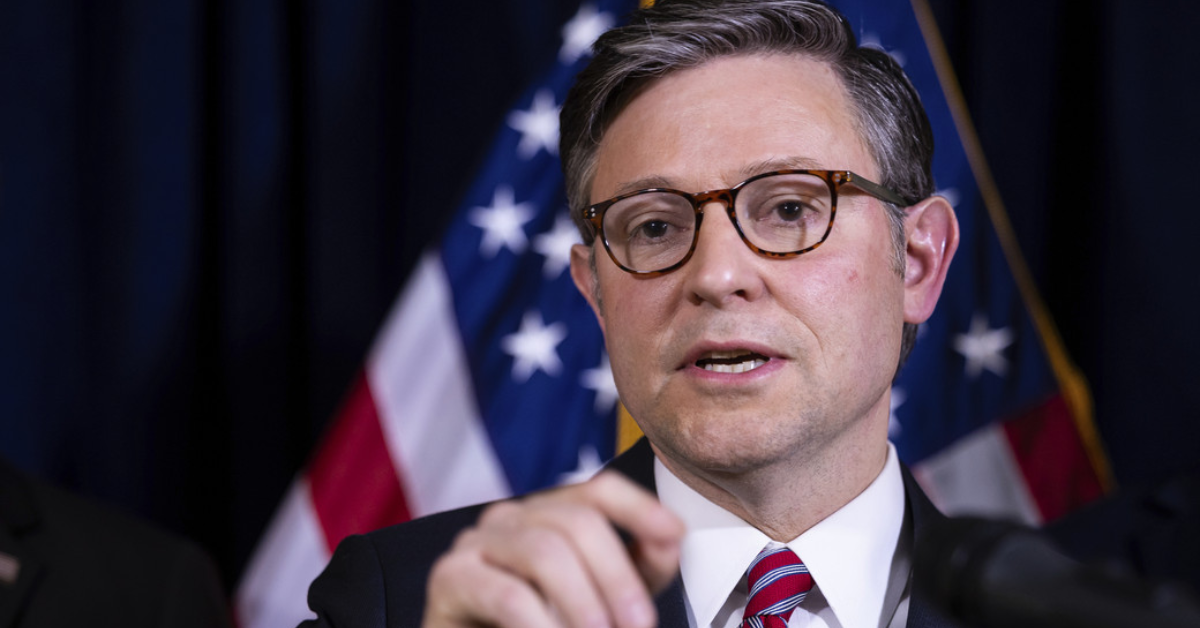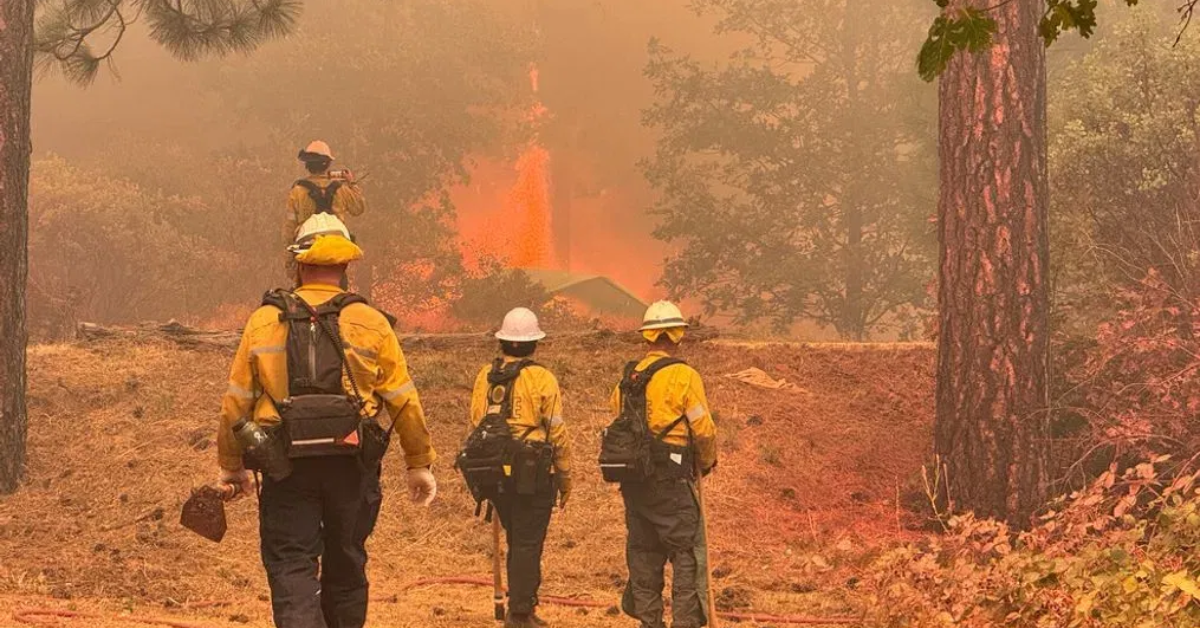
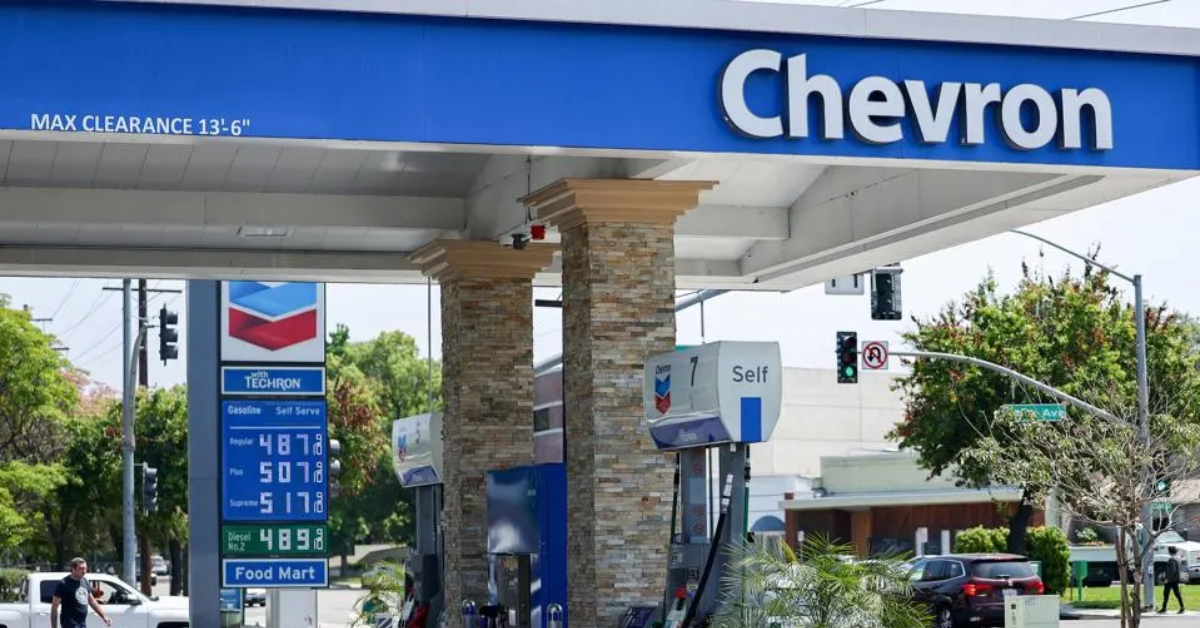
The federal government has recently taken a clear stance in support of Chevron amid numerous lawsuits related to coastal environmental issues. These legal disputes often involve claims that oil companies have caused damage to coastal regions, and Chevron, one of the largest oil firms, has found itself at the center of many such lawsuits. The government’s decision to stand with Chevron highlights the complex relationship between environmental concerns and economic interests.
This move comes at a time when environmental protection is a priority for many communities, yet energy companies argue their operations are crucial for economic growth. The federal government’s backing is seen by some as a way to protect business interests while others worry it might weaken environmental safeguards. Understanding this situation helps clarify why such government actions matter not only in the United States but also for global discussions on energy and environment.
What Are the Coastal Lawsuits About?
Coastal lawsuits against oil companies usually focus on accusations that companies like Chevron have harmed coastal environments through pollution or unsafe practices. These lawsuits claim that oil spills and other activities have negatively affected marine life, local economies, and public health. Coastal areas are particularly vulnerable because they are rich in biodiversity and are often key places for fishing, tourism, and culture.
Many local governments and communities have taken legal action to seek compensation or stricter regulations. Chevron, however, argues that it follows all legal regulations and works to minimize harm. The courts must decide whether these companies should take responsibility for past damage or whether some claims are overreaching. According to Reuters, the federal government’s involvement adds a powerful voice in defending Chevron’s position in these high-stakes battles.

Why Is the Federal Government Supporting Chevron?
The government’s support for Chevron has multiple reasons. First, Chevron is a major player in the US economy, providing jobs and energy resources. The government aims to balance environmental protection with economic stability, especially during times when energy prices are a concern. By backing Chevron, the federal administration may be trying to signal that it wants to maintain a strong energy sector.
Secondly, the government may believe that some of the coastal lawsuits lack strong legal basis or could set difficult precedents for industries. Supporting Chevron can prevent what authorities see as excessive or damaging legal actions that could discourage investment in energy infrastructure. The Department of Justice has publicly stated its commitment to providing legal assistance to Chevron in these matters.
What Do Environmental Groups Say?
Environmental activists and groups are concerned about the government’s position. They argue that continuous support for big oil companies like Chevron ignores the urgent need for stricter environmental regulations and pollution control. These groups believe that protecting coastal ecosystems should be a priority to ensure sustainable futures for vulnerable communities and wildlife.
Several non-profit organizations have voiced disappointment, highlighting scientific studies warning about the long-term damage oil pollution can cause. According to the Environmental Defense Fund, coastal communities are already coping with rising sea levels and habitat loss, so addressing industrial impacts is crucial to protect these areas.

What Does This Mean for Younger Generations?
Younger people, especially those concerned about climate change and environmental justice, may find this government stance frustrating. It raises questions about how much the voices of citizens and local communities will be heard against large companies. At the same time, it emphasizes the importance of staying informed and involved in such debates since decisions made now will affect the future of energy and environment policies.
For young readers looking to learn more, keeping an eye on legal cases, government choices, and environmental campaigns can be a way to understand how these complex issues unfold. Being informed helps build a society where balanced decisions protect both the economy and the planet.
Conclusion: Balancing Economy and Environment
The federal government’s support for Chevron in coastal lawsuits sheds light on the ongoing struggle to balance economic interests with environmental protection. While Chevron argues for its rights and contributions to the economy, environmental advocates push for stronger safeguards to protect vulnerable coastal regions. This legal and political conflict highlights the complexity of managing natural resources and the need for dialogue that includes all voices.
Understanding these developments is essential not only for Americans but also for global citizens interested in energy policies and environmental justice. The future depends on finding solutions that ensure the health of our planet while supporting human progress.