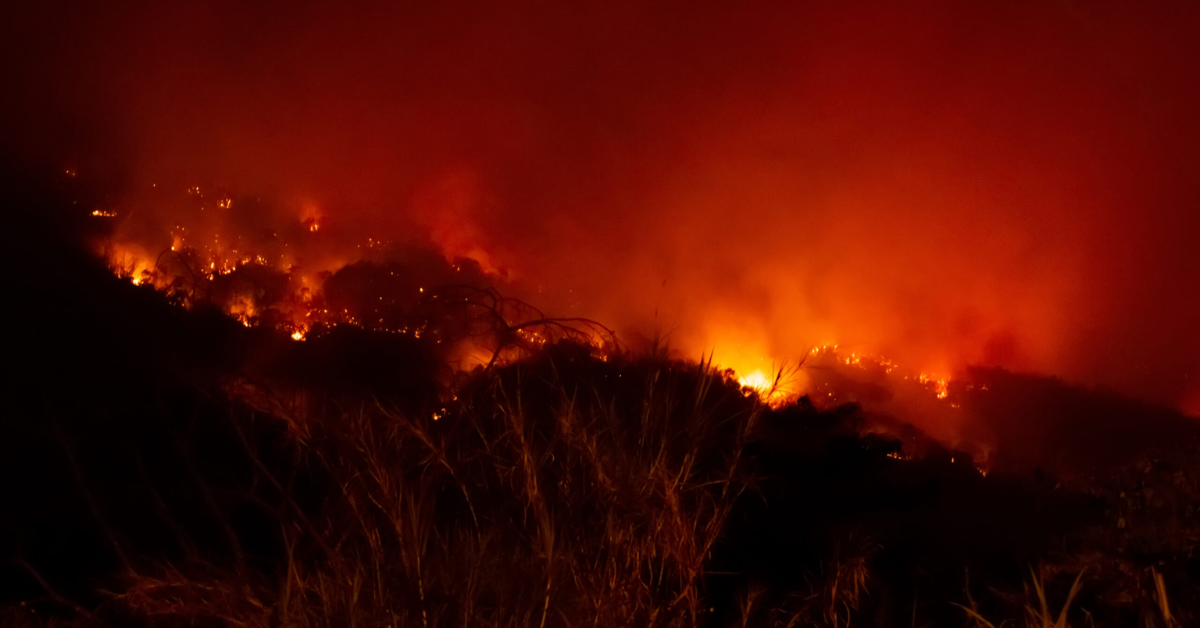
Smoke from the Garnet Fire is spreading across parts of California and Nevada, impacting residents with poor air quality amid ongoing wildfire concerns. As the fire continues to burn, the smoke drifts into populated areas, causing hazy skies and raising health warnings. Many people, especially those with respiratory issues, are advised to stay indoors to avoid the harmful effects of smoke inhalation.
The Garnet Fire has highlighted how wildfires can rapidly affect air quality over large distances. The situation emphasizes the need for awareness and preparedness during fire seasons. Local authorities have issued air quality alerts, urging the public to monitor updates closely and take necessary precautions to protect their health and well-being.
What is the Garnet Fire?
The Garnet Fire is a wildfire that ignited recently in a forested area affecting regions across northern California and parts of Nevada. According to Cal Fire, the blaze has consumed thousands of acres and is still active, with containment efforts ongoing. Wildfires like Garnet can spread quickly depending on weather conditions such as wind speed and dryness of vegetation.
As the fire burns, it produces thick smoke containing tiny particles dangerous to human respiratory systems. The spread of smoke has already led to air quality indices rising to unhealthy levels in some communities. The National Weather Service provides daily updates on smoke conditions, which are crucial for residents planning their daily activities.

Impact on Air Quality
Air quality officials have issued alerts because the smoke increases the levels of PM2.5 – fine particulate matter that can penetrate deep into the lungs. When PM2.5 reaches high levels, it can cause breathing problems, worsen asthma, and increase the risk of heart attacks. Younger people, the elderly, and those with chronic respiratory illnesses are particularly vulnerable.
The smoke also reduces visibility and can create a grey or orange haze in the sky. Schools and outdoor venues in affected areas may cancel some activities to limit exposure. The Environmental Protection Agency (EPA) provides updated air quality maps that show the spread of pollutants related to wildfire smoke and advises on safety measures.
Health and Safety Tips
Residents in affected areas should take several steps to protect their health. Staying indoors with windows and doors closed helps prevent smoke entry. Using air purifiers or air conditioners with clean filters can improve indoor air quality. Avoiding outdoor exercise during times of heavy smoke reduces the risk of breathing issues.
If going outside is necessary, wearing N95 masks can help filter out harmful particles. However, regular cloth masks do not protect well against smoke. Paying attention to local health advisories and following guidelines from the Centers for Disease Control and Prevention (CDC) can keep individuals safe.

What to Expect Next
Firefighters are working hard to control the Garnet Fire, but weather conditions like wind can influence how long the smoke affects air quality. It is important to stay updated through local news channels and official sources. Monitoring real-time air quality data can help people plan their day and avoid smoke exposure.
Authorities may issue evacuation orders if the fire approaches residential areas, so staying prepared with emergency kits and plans is recommended. Wildfires like Garnet are a growing challenge due to climate change and require community awareness and cooperation to reduce risks.
Useful Resources and Updates
For accurate and timely information on the Garnet Fire and air quality, visit Cal Fire’s official website at www.fire.ca.gov. The National Weather Service provides smoke forecasts at www.weather.gov. To check local air quality data, the EPA’s AirNow site is very helpful: www.airnow.gov.
Staying informed and taking health precautions can make a big difference during wildfire smoke episodes. Keep an eye on updates and protect yourself and your loved ones as the situation unfolds.