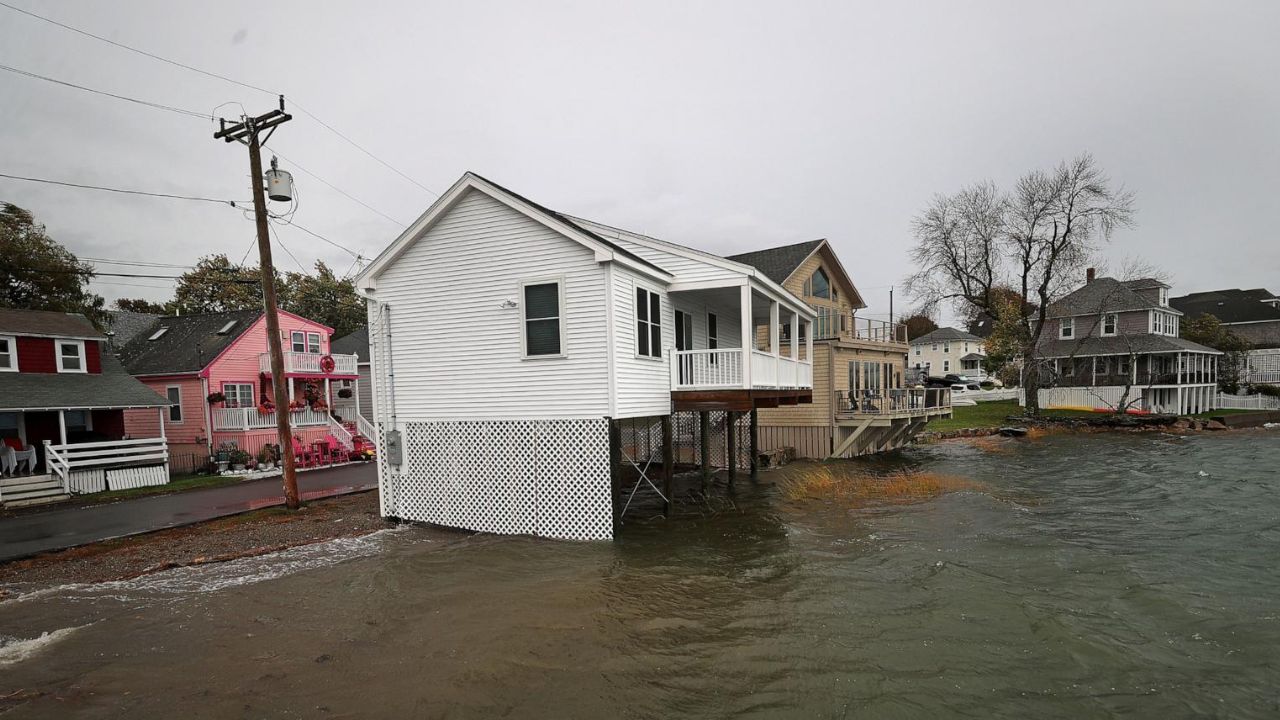

Long Island beaches are currently facing a high risk of rip currents, making it dangerous for swimmers and beachgoers. Rip currents are strong, narrow currents that move directly away from the shore, often catching people off guard and pulling them into deeper water. Authorities are urging visitors to stay cautious and avoid swimming in risky areas to stay safe.
In addition to the rip current warning, a small craft advisory is also in effect for the coastal waters around Long Island. This means that boaters and fishermen should be extra careful due to strong winds and rough waves. Understanding these warnings can help residents and tourists enjoy the beach while staying protected from potential hazards.
What Are Rip Currents and Why Are They Dangerous?
Rip currents are powerful channels of water flowing away from the shore. They can sweep even the strongest swimmers out to sea quickly. According to the National Weather Service (NWS), rip currents cause more than 80% of lifeguard rescues at beaches every year. These currents are difficult to spot, but signs include differences in water color, foam, or breaking waves.
Understanding rip currents is important because panic and quick movements can tire swimmers, increasing the risk of drowning. Experts recommend swimmers to stay calm, float, or swim parallel to the shore until free from the current. Saving yourself means not swimming against the rip current directly towards the shore, as it can exhaust you.
Current Weather Conditions and Small Craft Advisory
The National Oceanic and Atmospheric Administration (NOAA) has issued a small craft advisory for the waters around Long Island, meaning boaters can expect winds of 18 to 33 knots and waves of 5 to 8 feet or more. These conditions are dangerous for small boats and personal watercraft. Boaters should check the latest weather updates and take all safety precautions.
Strong winds and rough waves increase the chance of capsizing or accidents on the water. The small craft advisory is a warning to avoid non-essential travel in these conditions. For safer boating, make sure to wear life jackets, have proper communication equipment, and stay close to the shore. Visit the NOAA Weather Service for updates on warnings specific to Long Island.

Safety Tips for Beachgoers and Boaters
If you plan to visit Long Island beaches during this advisory, follow these important tips to stay safe. Swim only in designated areas where lifeguards are present and pay attention to warning signs about rip currents. If caught in a rip current, don’t fight it directly—swim parallel to the beach until you escape the current.
Boaters should avoid going out into the water during the small craft advisory. If you must go out, always wear a life jacket and maintain communication devices such as radios or mobile phones. Inform someone onshore about your plans and expected return time. Keep an eye on weather changes and return quickly when conditions worsen.
How to Stay Updated on Beach and Weather Conditions
Monitoring weather and sea conditions is key to staying safe near coastal areas. Websites like the National Weather Service and local news outlets provide real-time information about rip current risks and marine advisories. Many beaches also use flag systems to indicate risks, so always check flags before swimming.

Mobile apps and social media platforms can help you receive timely alerts for weather changes. For Long Island residents and visitors, following local lifeguard stations and official beach social media accounts can provide updated warnings and safety tips.
Conclusion
With high rip current risks and a small craft advisory in effect on Long Island beaches, it’s important to stay alert and follow safety rules. Whether you are swimming or boating, understanding the dangers and respecting weather warnings can help prevent accidents and save lives. Always prioritize safety and make informed decisions before heading to the beach or the water.