In a shocking series of events, two men reportedly called multiple fast-food locations across the United States, including Domino’s, McDonald’s, and Sonic, claiming there was an active shooter on the premises. The callers threatened to ‘blow their heads off,’ causing panic among employees and customers. Police quickly responded and investigated these serious threats, which turned out to be false alarms but had significant impact on these businesses and the communities around them.
Situations like these raise concerns about public safety and the consequences of making false threats, especially in places people visit regularly for food and relaxation. Understanding how authorities handle such incidents is important, especially for younger audiences who may not be familiar with the effects of these dangerous hoaxes. This article explains what happened, the reactions of law enforcement, and the legal outcomes based on reliable sources.
What Happened? A Summary of the Threatening Calls
According to reports by local police departments and news outlets like CNN, two men made threatening phone calls to several fast-food restaurants, including Domino’s, McDonald’s, and Sonic. The disturbing calls warned employees about an active shooter on site and included direct threats to harm workers, telling them they would ‘blow their heads off’ if they did not comply.
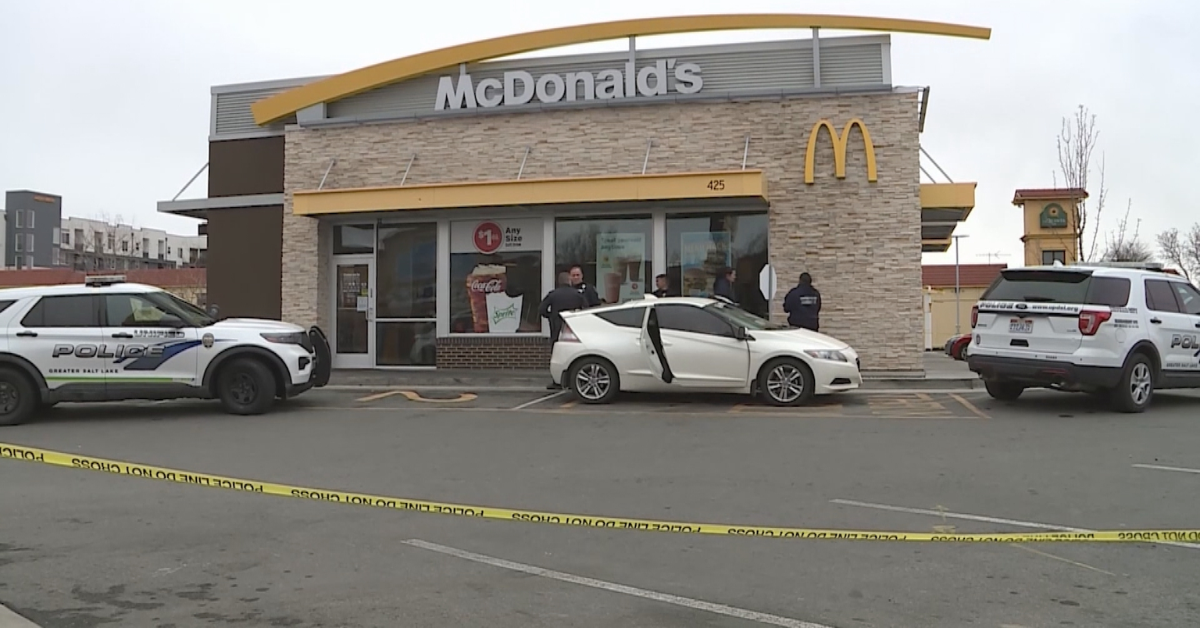
The incidents caused immediate alarm for employees and management. Many staff members had to evacuate or lock down their shops to ensure safety while waiting for police to arrive. Even though no actual shooter was found at any location, the false threats stretched emergency response teams and disrupted business operations for hours.

How Did Authorities Respond?
Police departments took the calls seriously and dispatched officers promptly to investigate each reported location. As CNN reported, the quick response helped protect workers and customers, preventing any real harm. Teams searched the premises extensively and found no evidence of an actual threat.
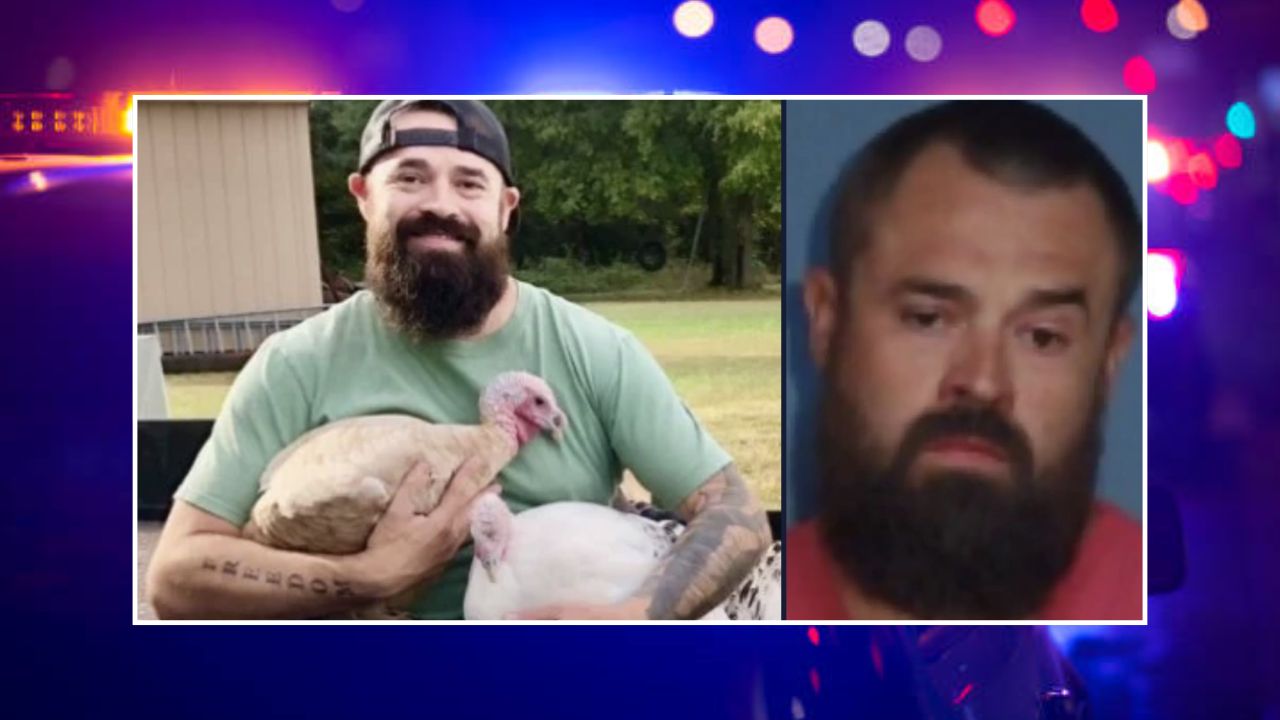
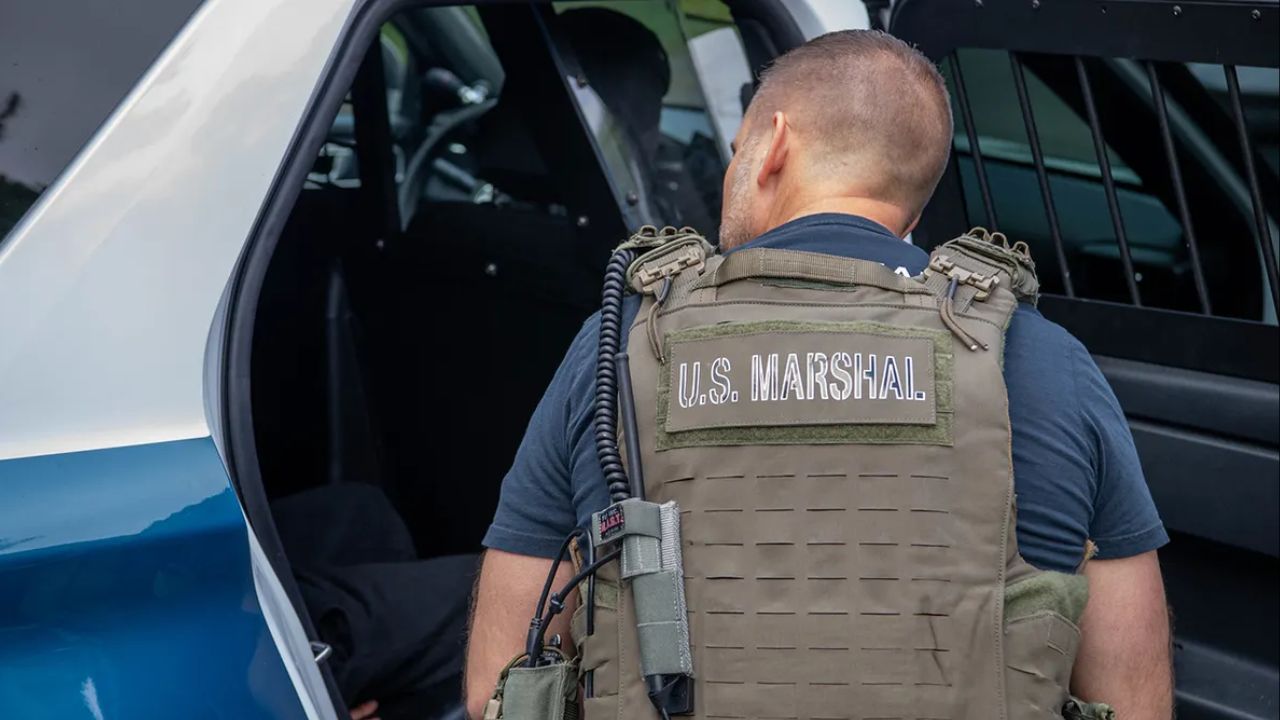
Authorities also launched an investigation to identify the callers. Using call tracking and surveillance, they arrested two men suspected of making the false reports. Law enforcement officials stressed the gravity of such actions, which waste valuable police resources and traumatize innocent people. The suspects now face charges related to making terroristic threats and causing public panic, according to [NBC News](https://www.nbcnews.com).
The Legal Consequences of False Active Shooter Threats
Making fake active shooter calls is a serious crime in the U.S., carrying heavy penalties. False reports not only disrupt emergency services but also put lives at risk as panic and chaos often follow. Courts treat these threats with severity to discourage others from committing similar offenses.
In this case, the suspects may face charges such as making terroristic threats, filing false reports, and inciting panic. Penalties could include jail time, fines, and probation. Police hope that strict legal actions will send a clear message that such dangerous behavior is unacceptable.

Why This Matters: The Impact on Fast-Food Employees and Communities
Fast-food restaurants like Domino’s, McDonald’s, and Sonic are places where many young people often work or visit. False active shooter threats cause real fear and anxiety among employees and customers, disrupting their daily routines and sense of safety. Such incidents affect not only the businesses but also the wider community’s trust and peace of mind.
Understanding the seriousness of these hoaxes helps raise awareness, especially for younger audiences who might underestimate the consequences. It also encourages responsible behavior when reporting emergencies—emphasizing that false reports can have severe legal and social consequences.
How You Can Stay Safe and Respond
If you ever encounter a threatening situation or hear about an active shooter, it is critical to remain calm and follow these steps:
- Call 911 or your local emergency number immediately.
- Follow instructions from law enforcement officials carefully.
- Try to find a safe place to hide or evacuate calmly if possible.
- Do not spread rumors or unverified information on social media.
Prompt reporting and staying calm are essential to help authorities manage such situations effectively and reduce risks to everyone involved.

Conclusion
The recent false active shooter calls to Domino’s, McDonald’s, and Sonic highlight how dangerous and disruptive fake threats can be. Thanks to quick police action and cooperation from fast-food staff, no one was harmed. However, these incidents serve as a warning about the serious legal consequences and emotional toll false reports cause.
Young people and communities alike should learn from these events to respect emergency systems and promote safety.