
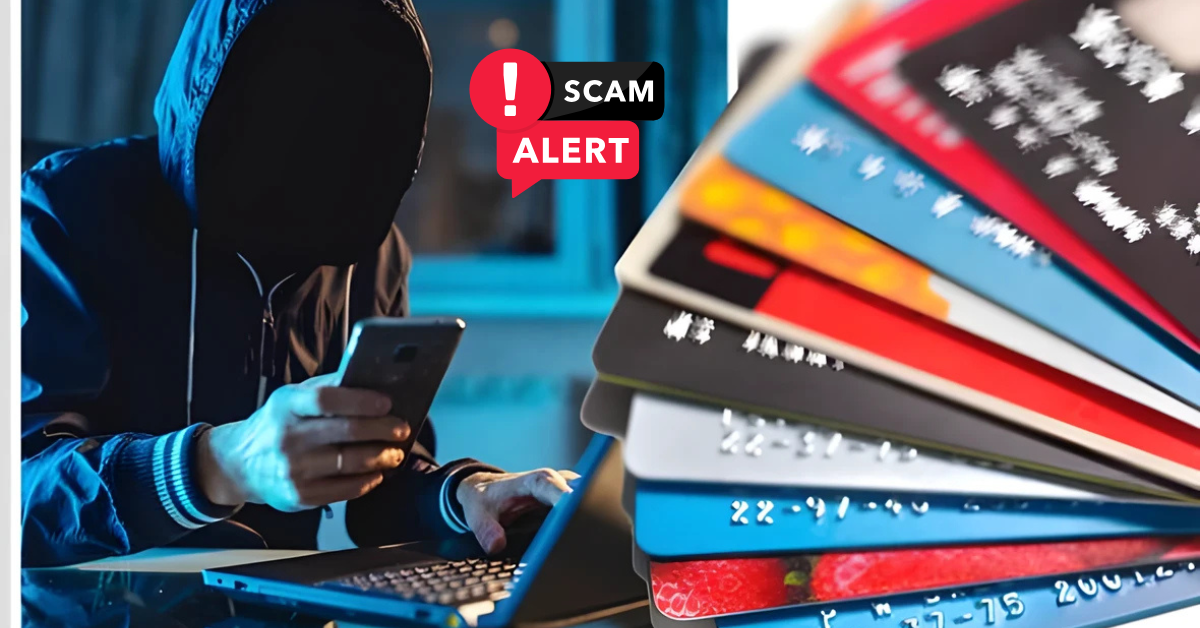
Using someone else’s credit card without their permission is a serious issue that affects many people today. This type of dishonest act, often called credit card fraud, is not only unethical but also illegal in many parts of the world, including the United States. For young adults and all readers, knowing the legal consequences and risks involved can help protect you and others from becoming victims of such crimes.
In Boston, MA, fraudulent activities involving credit cards have been reported frequently, raising concerns over identity theft and financial security. This article will explore why using someone else’s credit card without permission is illegal, explain the laws protecting cardholders, and highlight some common fraudulent activities in the Boston area.
What Does Using Someone Else’s Credit Card Without Permission Mean?
Using someone’s credit card without their permission means making purchases or withdrawing money with a credit card that does not belong to you, without the card owner’s knowledge or consent. This often involves stealing the physical card, copying the card details, or using stolen information online. Such cases fall under the category of credit card fraud, which is considered a form of identity theft.
According to the Federal Trade Commission (FTC), credit card fraud happens when someone charges goods or services on a stolen or counterfeit credit card or uses personal information unlawfully. This activity harms both the card owner and financial institutions, leading to financial loss and emotional stress for the victims.

Is It Illegal to Use Someone’s Credit Card Without Permission?
Yes, it is definitely illegal. Using a credit card without the permission of the owner is considered theft and fraud under U.S. law. This applies to both physical credit cards and online purchases performed using stolen card data. The Massachusetts General Laws specifically classify this kind of unauthorized use as a criminal offense.
In Boston and other parts of Massachusetts, law enforcement agencies take credit card fraud seriously. The crime may result in penalties such as fines, restitution (paying back the stolen money), and imprisonment, depending on the severity of the offense. You can learn more about credit card fraud laws on official legal sites like Mass.gov, which covers criminal offenses in detail.
Common Credit Card Fraudulent Activities in Boston
Boston has seen various instances of credit card fraud, from simple misuse of lost cards to more complex identity theft schemes. Some common fraudulent activities include:
- Skimming: Devices are placed on card readers to copy card information without the owner’s knowledge.
- Phishing: Fake emails or messages trick people into providing their credit card details.
- Card Not Present Fraud: Using stolen credit card numbers to make online purchases where the physical card is not required.
According to the Boston Police Department and reports shared by the Better Business Bureau (BBB), local businesses and consumers must stay alert to prevent falling prey to these tactics. Reporting suspicious activities quickly helps reduce financial damage and aids law enforcement in catching fraudsters.

How to Protect Yourself Against Credit Card Fraud in Boston
Young people and all credit card users in Boston and beyond should follow simple steps to protect their financial information:
- Keep your credit card safe and never share details with unknown sources.
- Regularly check your bank and credit card statements for unauthorized transactions.
- Use strong passwords and two-factor authentication for online accounts.
- Be cautious of phishing attempts via email, phone calls, or SMS messages.
- Report lost or stolen cards immediately to the issuing bank.
Resources like the Federal Trade Commission’s website offer helpful tips and guidelines to prevent credit card fraud and handle it effectively if it happens.
Conclusion: Credit Card Fraud is a Serious Crime in Boston
Using someone else’s credit card without permission is illegal and carries heavy legal consequences in Boston, MA, and across the United States. Understanding the risks, knowing how fraud happens, and taking preventive measures can protect you and your finances. If you suspect credit card fraud, reporting it immediately to your bank and local authorities is crucial for your safety and justice.
Stay informed and careful with your credit card information to avoid becoming a victim of fraudulent activities. For more information on how to handle and prevent credit card fraud, visit the Federal Trade Commission’s official site and Mass.gov for state-specific rules and updates.