
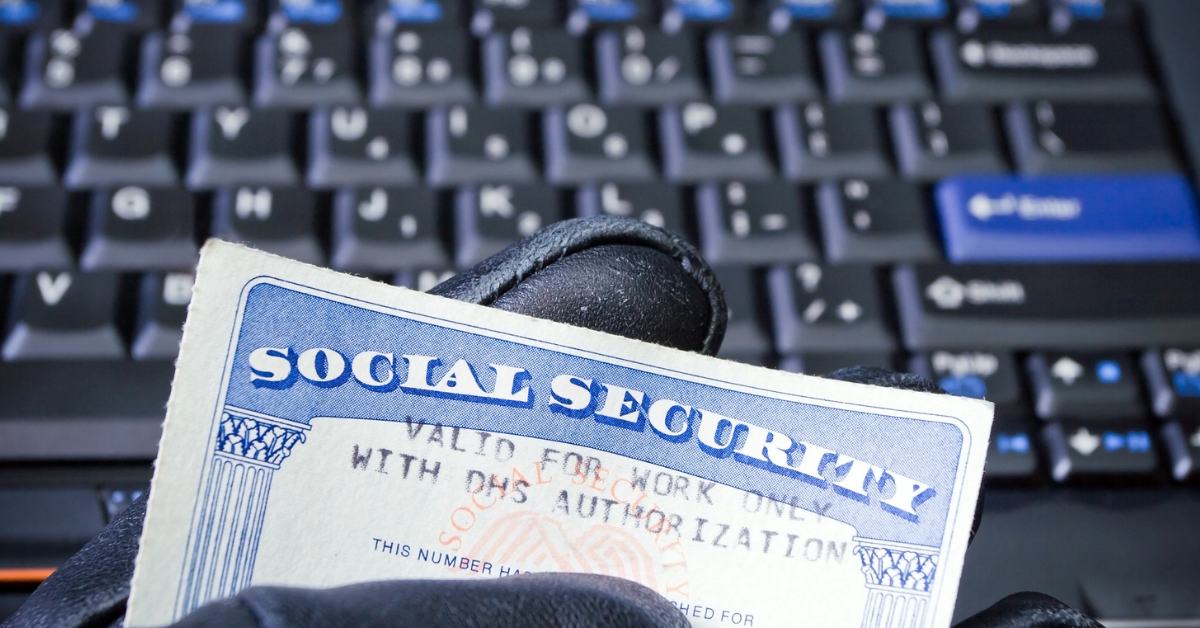
Using someone else’s identity without their permission is a serious crime in Washington, D.C., and across the United States. Identity theft involves taking another person’s personal information, such as their name, Social Security number, or financial details, to commit fraud or other illegal acts. This article will explain why using someone’s identity without consent is illegal and give an overview of the laws governing identity theft in Washington, D.C.
Many younger people may not fully understand the consequences of identity theft or how strict the laws can be in the U.S. Knowing these details not only helps protect you but also guides you in avoiding serious legal trouble. We will also share where you can find more reliable advice and legal resources to keep yourself informed and secure.
What Is Identity Theft?
Identity theft happens when someone takes another person’s personal details and uses them without permission for dishonest purposes. Examples include opening credit cards, taking out loans, or even committing crimes under another person’s name. According to the Federal Trade Commission (FTC), identity theft is one of the fastest-growing crimes in the U.S. It can cause significant financial loss and damage to a person’s reputation.
The Laws Against Identity Theft in Washington, D.C.
Washington, D.C. has strict laws to combat identity theft. Under the District of Columbia Code § 22-2901, it is illegal to knowingly use someone else’s personal identifying information without consent and with the intent to defraud. This includes using personal data like names, social security numbers, credit card information, or any other data that can identify a person.

The penalties for identity theft in Washington, D.C. can be severe, including fines, restitution to victims, and imprisonment. For example, Senate Bill 597 enhances penalties when identity theft involves public service benefits or government services. These laws ensure that those committing identity theft face strong consequences to protect individuals and the community.
How Do Authorities Prove Identity Theft?
To prove identity theft in court, prosecutors must show that the accused intentionally used someone else’s information without permission and meant to cause harm or gain financially. This can include evidence like fake documents, unauthorized transactions, or accounts opened in the victim’s name. The victim’s testimony and digital evidence such as IP addresses and transaction records also play a key role.
The U.S. Department of Justice emphasizes that victims should report identity theft quickly to law enforcement and credit reporting agencies to help stop further damage and assist with investigations.
Common Examples of Identity Theft in Washington, D.C.
Common identity theft cases include stolen credit card information being used to buy goods, false tax returns filed to steal refunds, or medical identity theft where someone uses another person’s health insurance. In Washington, D.C., given its urban environment and federal institutions, officials keep a close watch on identity fraud involving government benefits and employment.

Younger people, especially those new to managing finances online, should be cautious about sharing their personal information. Simple steps such as using strong passwords, avoiding suspicious emails, and regularly checking bank statements can help reduce the risk of identity theft.
What Should You Do If Your Identity Is Stolen?
If you suspect your identity has been stolen, immediately report it to local police in Washington, D.C., and contact major credit bureaus to place a fraud alert on your credit reports. The Federal Trade Commission provides a helpful Identity Theft Recovery Plan to guide victims through necessary steps.
Additionally, notify banks or any institutions where fraudulent activity has occurred. Protecting your identity requires quick action and cooperating with authorities to minimize the damage.
Conclusion
Using someone else’s identity without permission is illegal and punished seriously under Washington, D.C. laws. Understanding these identity theft laws helps you stay protected and know what steps to take if you become a victim. Remember to safeguard your personal information and stay alert when dealing with digital or financial transactions.

For more detailed information on identity theft laws and how to protect yourself, visiting government websites like the Federal Trade Commission and the Department of Justice can be very helpful.