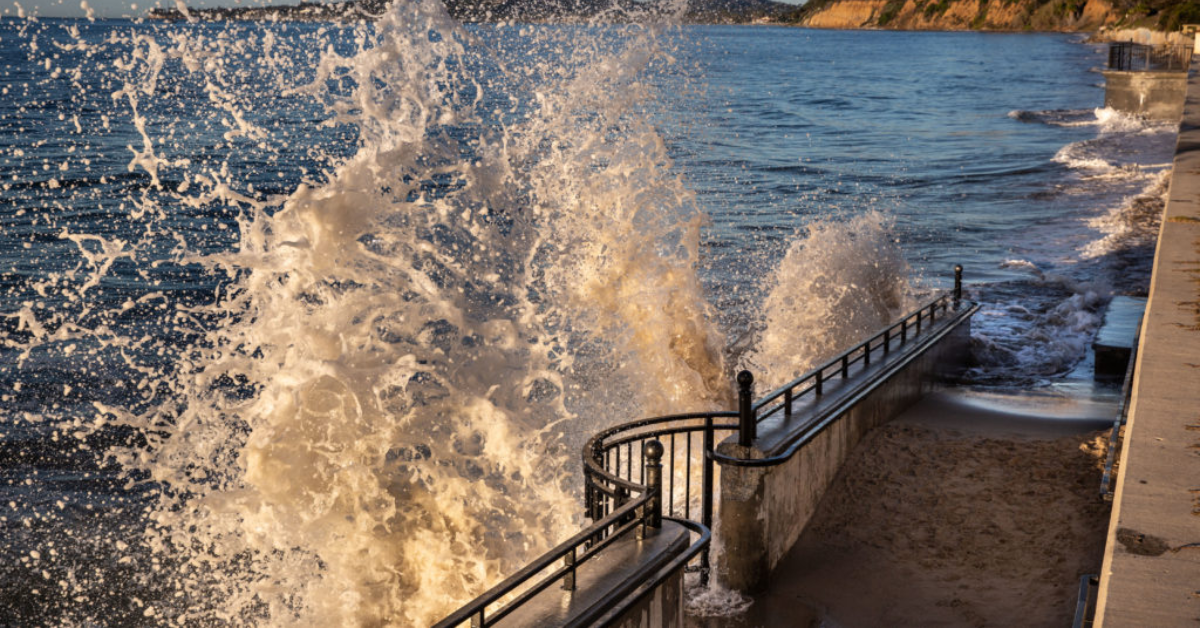
California’s coastline is currently experiencing an unusual event – a major marine heat wave that has pushed sea temperatures more than 7°F above the usual levels. This sudden rise in ocean heat is causing concern among scientists, fishermen, and environmentalists alike. Warm ocean waters can disturb marine life and create challenges for coastal communities dependent on the sea for their livelihood.
The marine heat wave is not only a natural phenomenon but also a sign of the changing climate impacting coastal regions around the world. With rising global temperatures, such extreme temperature events in the ocean are becoming more common and severe. This article explores what this heat wave means for California’s environment and the potential consequences for people living nearby.
What is a Marine Heat Wave?
A marine heat wave is a period when ocean water temperatures become much warmer than average for an extended time. These events can last weeks or months and affect large areas of the sea. According to NOAA (National Oceanic and Atmospheric Administration), marine heat waves can cause major changes in ecosystems and harm species that rely on certain temperature ranges to survive .
In the case of California, the current heat wave has pushed Ocean surface temperatures as much as 7°F above the historical average. This disrupts the food chain, affecting fish, kelp forests, and other marine life. These sudden changes can also affect weather patterns and coastal economies.

Causes Behind California’s Marine Heat Wave
Scientists point to a combination of factors behind this marine heat wave. One important cause is the increase in greenhouse gases in the atmosphere, which traps more heat and raises global temperatures. This warming air in turn heats the ocean surface.
Another major factor is changes in ocean currents and weather patterns. Wind patterns along California’s coast play a significant role in moving cooler water from deeper parts of the sea to the surface, a process called upwelling. During the heat wave, these winds weaken, reducing upwelling and allowing surface waters to heat up faster than usual.
Impact on Marine Life and Ecosystem
Even a small rise in ocean temperature can dramatically affect marine life. Many species of fish and other animals are sensitive to temperature changes and may move to cooler waters or suffer from stress and disease. California’s rich kelp forests, which provide important habitats for sea creatures, are vulnerable to overheating and can rapidly decline during marine heat waves.
Fishermen have already noticed fewer catches of popular fish species, leading to economic losses. The rise in temperature also encourages harmful algal blooms, sometimes called “red tides,” which release toxins dangerous to sea life and humans.

Effects on Coastal Communities and Economy
Beyond environmental damage, the marine heat wave affects the people living along California’s coast. Fishing communities face lower fish availability, harming their income and jobs. Additionally, warmer ocean waters can influence local weather by increasing the chances of drought or unusual storms.
Tourism, a key part of California’s economy, could also be impacted by changes in beach water quality and marine biodiversity. These negative effects stress the need for climate action and adaptation plans that reflect the increasing risks tied to marine heat waves.
What Can Be Done to Address Marine Heat Waves?
Tackling marine heat waves requires global and local efforts focused on reducing greenhouse gas emissions. Policies that promote renewable energy and reduce carbon footprints are critical to slowing down the heating of oceans.
On a local level, better monitoring and research help predict heat waves early, allowing for quicker response to protect marine life and fisheries. Public awareness and community engagement in ocean conservation are also vital parts of the solution, encouraging practices that protect coastal ecosystems.

Conclusion
The current marine heat wave along California’s coast highlights the direct effects of climate change on our oceans. Sea temperatures rising 7°F above normal create serious challenges for marine ecosystems and the people who depend on them. Understanding these changes and acting to reduce emissions are vital steps toward protecting our oceans and coasts for future generations.
As this event unfolds, it serves as a powerful reminder of the interconnectedness of global climate systems and the pressing need for sustainable environmental policies across the world.