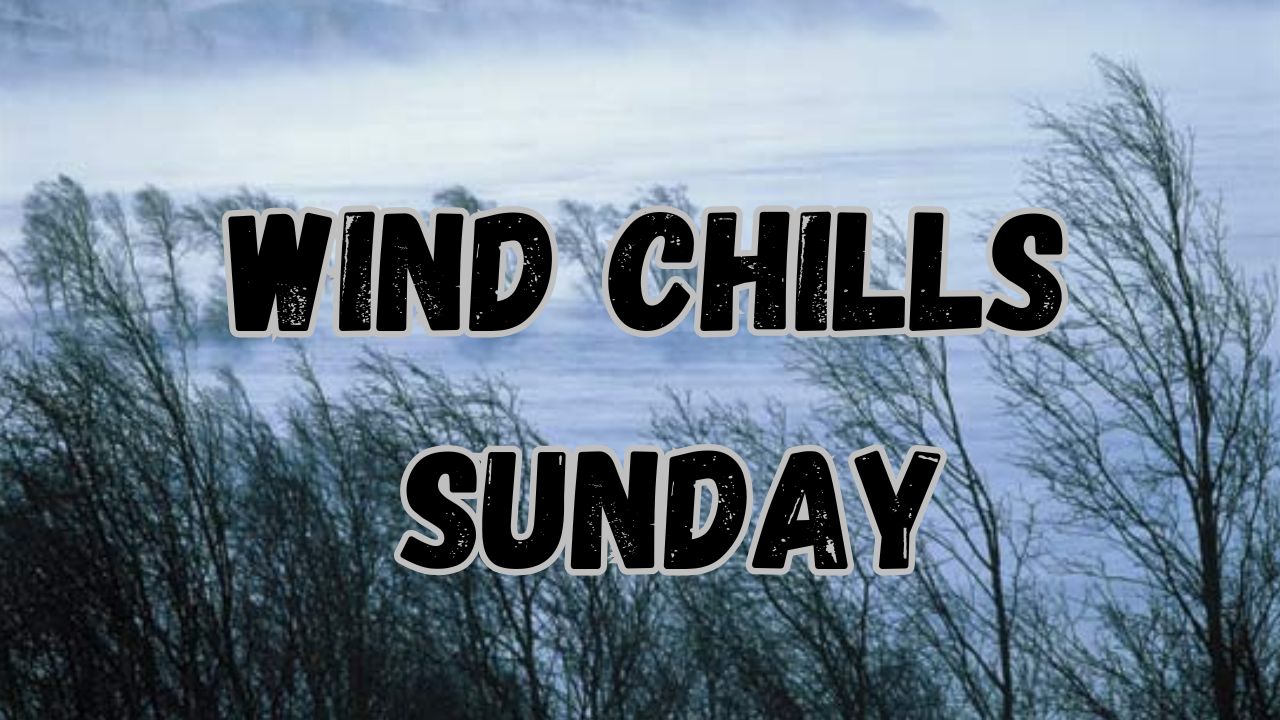
Nashville, Tennessee — Much of Middle Tennessee will wake up to dangerously cold conditions Sunday morning as a Cold Weather Advisory takes effect across the region, with wind chills expected to fall to around 1 degree below zero, according to the National Weather Service (NWS) in Nashville.
The advisory will be in effect from midnight Saturday night through noon Sunday, a window when Arctic air firmly settles into the state and light but persistent winds push apparent temperatures to hazardous levels.
Cold Weather Advisory covers wide stretch of Middle Tennessee
NWS officials say the advisory includes a large portion of Middle Tennessee, affecting Nashville, Clarksville, Franklin, Gallatin, Murfreesboro, Columbia, Cookeville, Crossville, Shelbyville, and Lawrenceburg, along with dozens of surrounding towns and rural communities.
Forecasters warn that while actual air temperatures will already be well below normal, wind chills will make it feel significantly colder, especially during the pre-dawn and early morning hours Sunday.
Wind chills near zero raise hypothermia risk
According to the NWS, wind chills are expected to dip to around -1° in some locations, creating conditions where hypothermia can occur with prolonged exposure.
Meteorologists emphasized that the coldest and most dangerous period will occur just before sunrise Sunday, when overnight cooling combines with steady winds.
Even brief exposure without adequate protection — particularly for those outdoors for work, travel, or early-morning activities — could lead to cold-related illness.
Cold snap expected to be brief but intense
Forecasters say this cold spell is not expected to linger for several days, but its short duration does not reduce the risk, especially for vulnerable populations.
Officials caution that sudden Arctic intrusions can be more dangerous than longer cold stretches because residents may not have time to fully prepare.
Safety precautions strongly encouraged
Residents across Middle Tennessee are urged to take simple but critical precautions during the advisory period:
- Wear multiple layers of clothing, including insulated outerwear
- Cover hands, ears, and head, where heat loss occurs rapidly
- Limit time outdoors, especially early Sunday morning
- Check on elderly neighbors, children, and those without reliable heat
Those who must travel early Sunday are advised to bundle up while warming vehicles, as even short exposure in driveways, parking lots, or at transit stops can be dangerous.
Travel impacts mainly tied to cold exposure
While no widespread snow or ice is expected with this advisory, officials stress that cold exposure itself poses a hazard, particularly for drivers dealing with mechanical issues or pedestrians exposed to wind for extended periods.
Car batteries may struggle in extreme cold, and emergency kits are recommended for anyone traveling overnight or early Sunday.
Read Also: Snow Band Stretches From Montana to Pennsylvania Through Sunday, Impacting More Than a Dozen States
NWS to continue monitoring conditions
The National Weather Service says it will continue to monitor temperatures and wind trends, issuing additional updates or advisories if conditions change.

Residents are encouraged to stay informed through local weather alerts and official NWS communications as the Arctic air mass moves through the region.
As Middle Tennessee faces one of its coldest mornings of the season, officials remind the public that preparation and awareness can prevent serious cold-related injuries.
How cold did it feel in your area Sunday morning? Share your local conditions and how you stayed warm in the comments below.