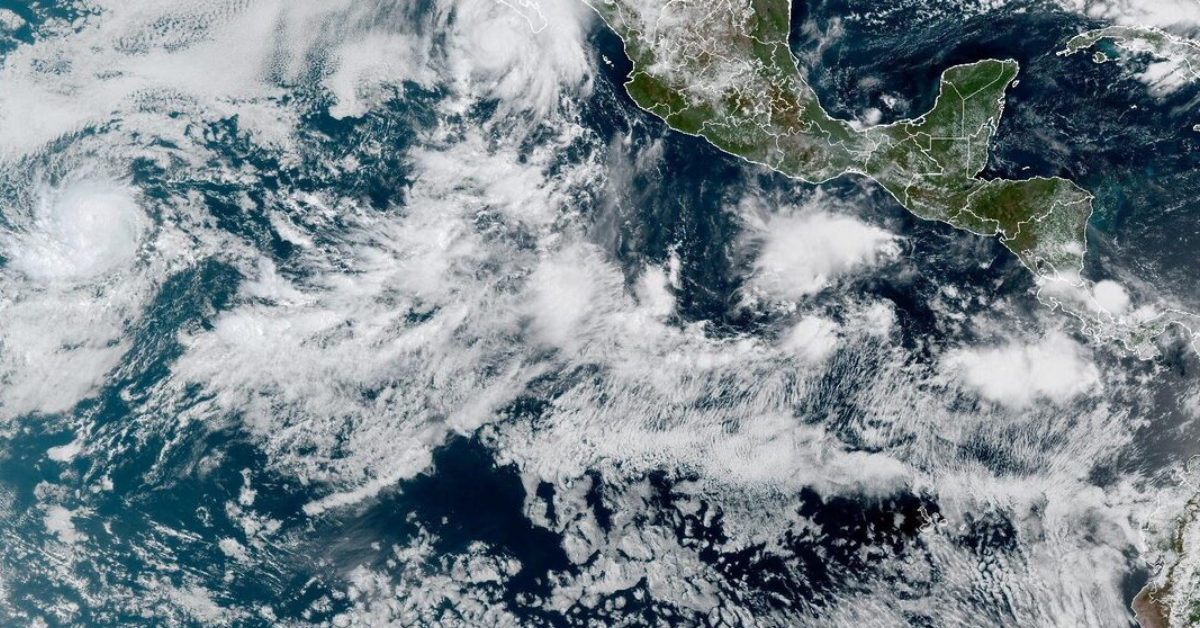
The remnants of Hurricane Lorena have moved into the Desert Southwest, carrying heavy moisture that is causing significant weather changes in the region. This storm system is bringing unusually high rainfall amounts, which has triggered flash flood watches in several areas. Residents and travelers in Arizona, California, and Nevada are advised to stay alert as the weather conditions evolve rapidly.
Such weather events linked to tropical storms can have major impacts on normally dry desert regions. With sudden downpours and potential flooding, local authorities are urging people to take precautions. Understanding how these storm remnants affect the desert areas can help communities stay safe and better prepared during this unusual weather pattern.
How Hurricane Lorena’s Remnants Impact the Desert Southwest
Hurricane Lorena started as a tropical storm over the Pacific Ocean and weakened as it moved inland. Although no longer a hurricane, the remaining moisture from Lorena is still powerful enough to influence weather far from the coast. According to the National Weather Service, the storm’s moisture is now mixing with local atmospheric conditions, increasing the likelihood of heavy rain showers and thunderstorms across the Desert Southwest.

This region, which includes parts of southern California, Arizona, and Nevada, typically experiences dry weather. Therefore, the sudden influx of moisture can overwhelm dry creek beds and low-lying areas, creating flash flooding risks. The National Oceanic and Atmospheric Administration (NOAA) explains that flash floods can occur quickly and with little warning, especially in areas with dry soil that cannot absorb water fast enough.
Flash Flood Watches and What They Mean
Flash flood watches have been issued by the National Weather Service for several counties in the Desert Southwest. A flash flood watch indicates that conditions are favorable for flash flooding but it is not certain to happen. Residents should be prepared to act quickly if warnings or warnings escalate to flash flood warnings.
Local authorities recommend avoiding hiking or traveling through vulnerable desert areas during this time. Roads can become dangerous, and flash floods may sweep away vehicles or cause road closures. The U.S. Geological Survey (USGS) advises that flash floods are a serious hazard in desert regions and stresses the importance of staying informed through real-time weather updates.

Precautionary Steps for Residents and Visitors
If you live in or plan to visit the Desert Southwest during this period, it is essential to monitor weather forecasts closely. The National Weather Service provides updated alerts through their website and mobile apps. Identifying safe routes, avoiding flood-prone areas, and not attempting to cross flooded roads are key safety measures.
Keep emergency supplies handy in case of power outages or if you need to evacuate quickly. Simple preparations can reduce the risks posed by sudden storms and flash floods. Listening to local authorities and following their advice ensures the best safety outcomes during this unusual weather event.
Broader Climate Impacts and Future Outlook
The arrival of tropical storm remnants in the Desert Southwest highlights how climate patterns are shifting. Tropical systems that used to affect only coastal or southeastern U.S. areas are now influencing desert climates more often. Scientists from NOAA have noted changes in storm behavior linked to warming ocean temperatures and altered atmospheric circulation.

While it is difficult to predict exact future storm paths, increased awareness and preparedness will be important as weather events become more unpredictable. For young people living in or interested in the American Southwest, understanding these changes is crucial for safety and environmental awareness moving forward.