
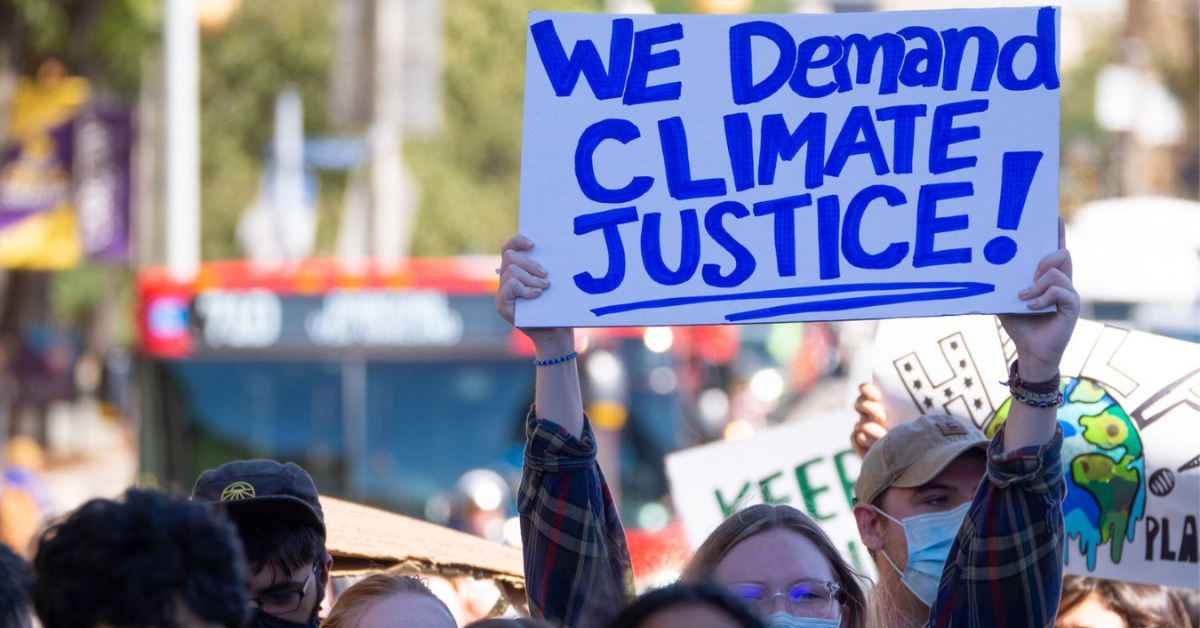
Climate change is becoming one of the most urgent challenges we face today. With rising temperatures, extreme weather events, and environmental damage, many people are looking for new ways to hold those responsible accountable. One growing method gaining attention worldwide is climate lawsuits. These legal cases aim to push governments, companies, and organizations to take stronger action against pollution and protect the environment.
The rise of climate lawsuits shows a shift in how societies are dealing with climate problems. Instead of waiting for policies to change slowly, people are using the courts to demand faster and clearer results. This article explores why climate lawsuits are becoming so important, how they work, and what this means for the future of our planet.
What Are Climate Lawsuits?
Climate lawsuits are court cases filed by individuals, groups, or even governments against companies or authorities accused of causing or contributing to climate change. These lawsuits often claim that the defendants failed to reduce harmful emissions or ignored environmental laws. The goal is to force action, compensate for damages, or change policies that harm the environment.
For example, some lawsuits target large oil and gas companies for their role in producing fossil fuels, which release carbon dioxide and other greenhouse gases. Others focus on governments for not implementing enough climate policies or for allowing harmful industrial activities. A famous case is the one against major oil corporations, discussed by The New York Times, which highlights how legal systems worldwide are starting to hold these giants accountable.

Why Are Climate Lawsuits Increasing?
There are several reasons behind the rise of climate lawsuits. One major factor is the slow pace of government actions on climate change. Many young people and activists feel frustrated that policies are not strong enough to prevent environmental disasters. Taking legal action is a way to push governments and businesses to do more.
Additionally, scientific research clearly links pollution from certain industries to climate damages, making legal cases stronger. According to the United Nations Environment Programme, the number of climate-related lawsuits nearly doubled in recent years, showing growing confidence in using courts to enforce climate rules.
How Do Climate Lawsuits Affect Governments and Companies?
Governments and companies can face serious consequences from climate lawsuits. Some courts have ordered governments to tighten their climate targets or improve environmental protections. Companies might be required to pay fines or change their business plans to reduce emissions.
For instance, in the Netherlands, a landmark case forced the government to cut greenhouse gas emissions by at least 25% by 2020 compared to 1990 levels. This ruling was widely covered by media and shows the real power of the legal system to enforce climate goals. You can read more about this case on Climate Case Chart.

What Does This Mean for Young People?
Young people have been at the forefront of climate activism and lawsuits are another tool they are using to influence the future. By supporting or joining these cases, they can help hold powerful entities accountable. Lawsuits create public awareness and put pressure on decision-makers to act faster.
Climate litigation also teaches important lessons about rights and responsibilities related to the environment. For younger generations worried about the future, climate lawsuits offer hope that justice and proper care for the planet are possible through legal action.
Challenges and Criticisms of Climate Lawsuits
Despite their growing popularity, climate lawsuits face challenges. Legal processes can be slow and costly, and success is not guaranteed. Some critics argue that lawsuits might distract from the need for strong policies and political solutions. Others worry that overly aggressive legal action could harm economies or jobs.
However, many experts believe that lawsuits complement other efforts like international agreements and activism. Together, they can create a stronger movement for change.

Conclusion: The Future of Climate Legal Action
Climate lawsuits are an important and growing part of the global response to climate change. They offer a way to hold polluters and governments responsible for their actions. For younger people and concerned citizens in India and worldwide, these legal battles are a beacon of hope and a sign of progress.
As climate issues continue to worsen, expect climate lawsuits to become more common and influential. Staying informed and supporting these efforts can help everyone contribute to a healthier planet.