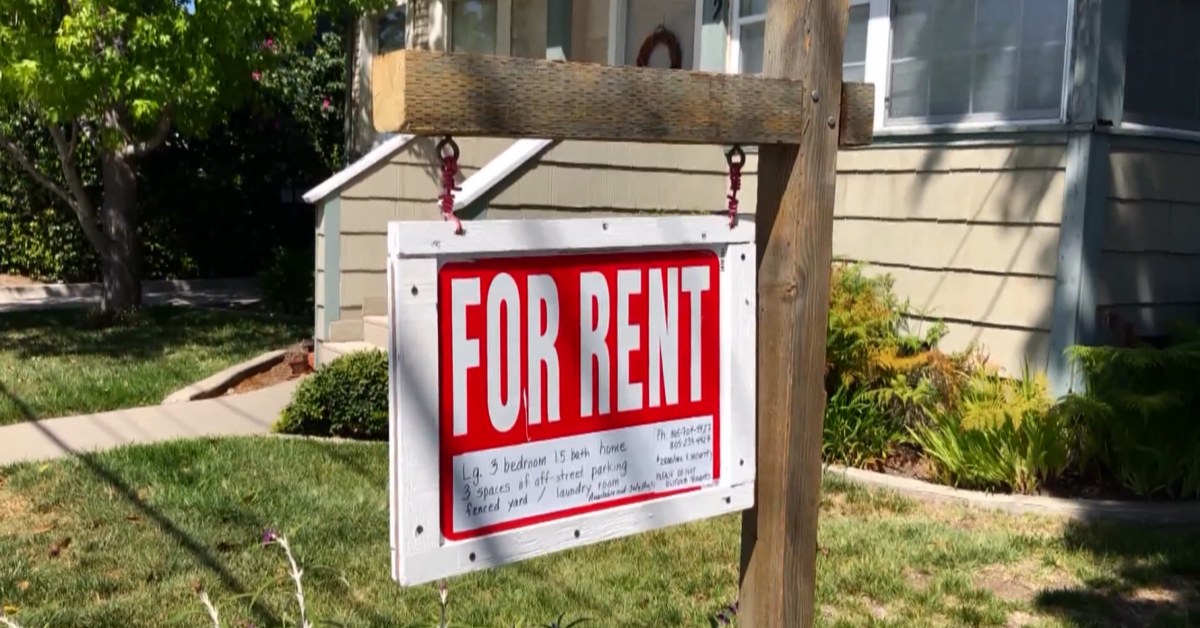

Rent increase laws in South Dakota can seem confusing, especially for tenants trying to manage their monthly budgets. As we move into 2025, it’s important to understand what rules apply to rent changes to avoid surprises. Whether you’re renting for the first time or have lived in South Dakota for years, this guide will help you stay informed.
Many tenants don’t realize that South Dakota has specific guidelines landlords must follow when raising rent. Knowing your rights can protect you and ensure that you have enough time to plan for any increases. This article breaks down the key points of South Dakota’s rent increase laws in 2025 in clear, simple language.
Does South Dakota Have Rent Control Laws?
South Dakota does not have state rent control laws that limit how much landlords can raise rent. This means landlords can increase rent as much as they want. However, they must provide proper notice before making any change. According to the South Dakota Codified Laws, landlords are required to give tenants at least 30 days’ written notice before the rent increase takes effect.
This notice allows tenants time to plan or negotiate if they feel the rent hike is too high. It’s a good idea for tenants to stay in touch with landlords and ask questions about any upcoming increases.
How Much Notice Is Required Before a Rent Increase?
South Dakota law mandates that landlords must provide a minimum of 30 days’ notice for any rent increase, in writing. This notice period applies whether you have a month-to-month lease or a fixed-term lease ending soon. The notice can be given in person, by mail, or other means agreed upon in the lease agreement.
Providing this notice gives tenants time to decide if they want to accept the new rent or look for another place to live. If the landlord fails to give proper notice, the rent increase may not be legally enforceable.
Can Rent Be Increased During an Ongoing Lease?
Generally, if you have a fixed-term lease (for example, a one-year lease), the landlord cannot increase rent during that lease period. Rent increases are typically only allowed once the lease ends and a new lease or month-to-month agreement begins. For month-to-month leases, landlords can increase rent but still must provide the proper 30-day written notice.
Make sure to check your lease agreement for any specific clauses about rent changes, as some leases may have additional rules or requirements.
What Should Tenants Do If Rent Is Increased Unfairly?
If you believe your rent increase is unfair or illegal, the first step is to talk to your landlord. Sometimes misunderstandings can be resolved through communication. If this does not help, you may consider seeking advice from tenant rights organizations or legal experts.
In South Dakota, there are resources such as the Tenant Advocacy Groups that offer free or low-cost assistance to renters. They can help you understand your rights and options if a landlord violates rent increase rules.
Final Tips for Tenants Facing Rent Increases in 2025
Rent increases can be stressful, but knowing the law helps you feel more in control. Remember these key points for South Dakota in 2025: landlords must give at least 30 days’ written notice, rent cannot be raised during fixed-term leases, and you have options if the increase seems unfair.
Always keep copies of your lease and any written communications with your landlord. Staying informed and proactive is the best way to protect yourself in the rental market.