
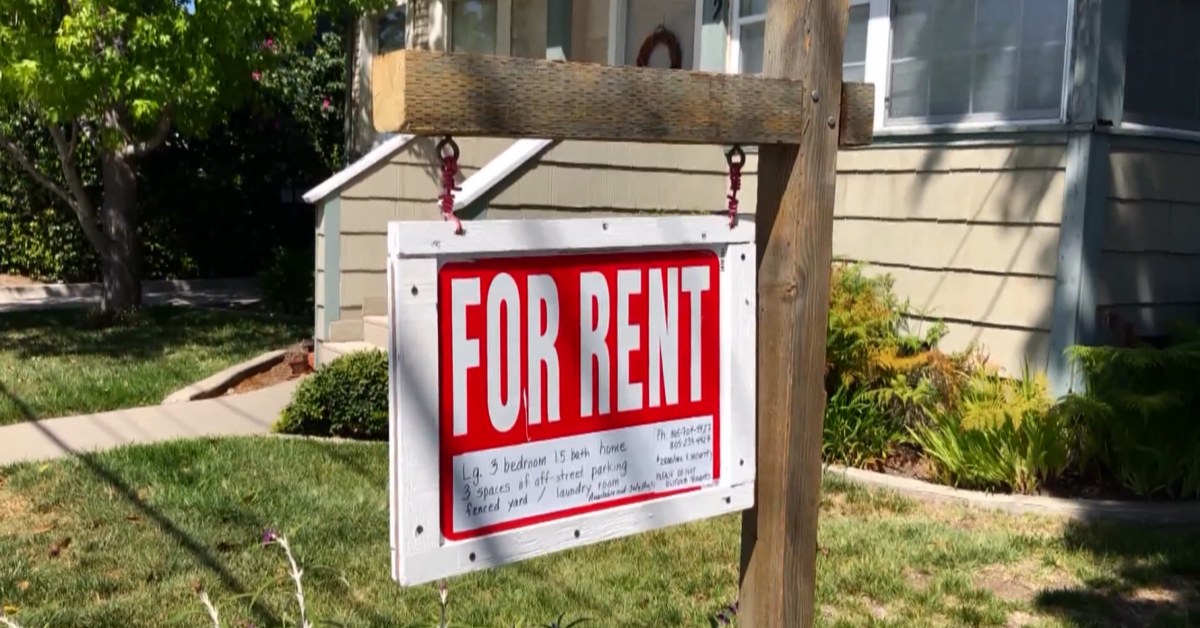
For many people in California, housing costs are becoming a heavy burden. About 27% of tenants are paying more than half of their income just to keep a roof over their heads. This leaves very little money for other important expenses like food, healthcare, and education, creating a stressful financial situation.
This trend is worrying not only for Californians but also for anyone watching the effects of rising rent on a large scale. Understanding why this is happening and what it means can help us find solutions to this growing problem.
Why Are Rents So High in California?
California has always been an attractive place to live, with its mild climate and many job opportunities. But this popularity has pushed up demand for housing, causing prices to soar. Additionally, new housing construction has not kept pace with the population growth. According to the California Department of Housing and Community Development, the supply shortage is a key reason for skyrocketing rents.
The problem is especially severe in cities like Los Angeles and San Francisco, where high-paying jobs coexist with a limited number of affordable homes. This imbalance means many tenants must devote a huge portion of their income to rent.
Who Is Most Affected by High Rent?
Low and middle-income tenants suffer the most. For students, young professionals, and even families, spending more than 50% of income on rent means cutting back on essentials or taking on debt. A study by the Harvard Joint Center for Housing Studies highlights that rent burden hits tenants with lower incomes hardest and contributes to housing instability.
Around 27% of California tenants paying more than half their income for rent face a risk of eviction, food insecurity, and poor health outcomes. This situation makes it difficult to save money or invest in future opportunities.
The Wider Impact on Society
When many people spend most of their earnings on rent, it limits economic growth. High housing costs reduce disposable income, so less money goes to local businesses and services. This can slow down job creation and community development.
The government also faces challenges, needing to provide more support and affordable housing programs. The U.S. Department of Housing and Urban Development has increased efforts to assist tenants and encourage building affordable housing, but the demand still outpaces supply.

What Can Be Done to Help Tenants?
Ending the crisis requires a mix of solutions. Increasing affordable housing availability is the top priority. This means relaxing zoning laws to allow more construction and offering incentives for builders to create affordable rental units.
Rent control measures and tenant protection laws also play a role in providing immediate relief. Helping tenants with rental assistance programs can prevent evictions and homelessness.
Moreover, raising minimum wages and supporting job growth helps increase tenant incomes so rent becomes manageable.
Final Thoughts
California’s housing affordability issue is clear: 27% of tenants spending more than half their income on rent is a serious challenge. It affects individual lives and the entire economy, but solutions are possible.

By building more affordable homes, protecting tenants, and improving incomes, California can create a more stable and fair housing environment for everyone.