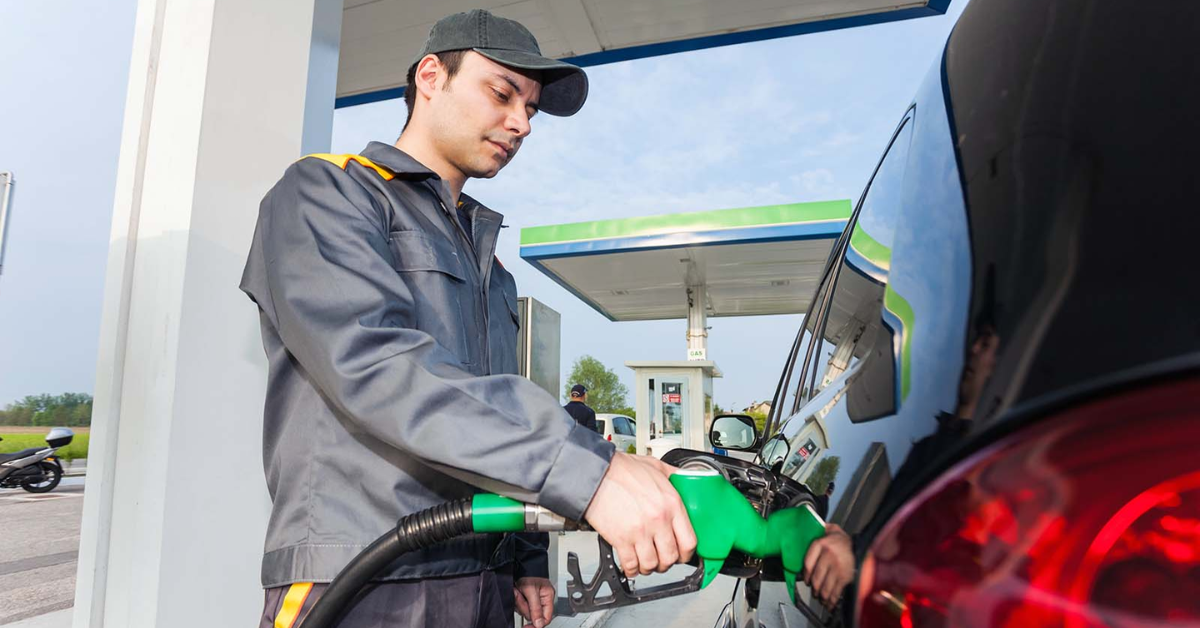
New Jersey is one of the few states where full-service gas stations are still mandatory by law. While this may seem convenient, the restriction on self-service pumping is actually holding back progress in several ways. Many people wonder why NJ continues this tradition when self-service stations are the norm across the country.
This article explains why allowing New Jersey drivers to pump their own gas could bring many advantages. From saving time and money to creating more job opportunities, self-service gas stations can bring much-needed modernization to the state’s fuel industry. We’ll explore the key reasons why making this change is important and highlight some trusted sources to back up these points.
Convenience and Time Savings for Drivers
Pumping your own gas means you can fuel up quickly without waiting for an attendant. This is especially helpful during busy hours or in emergencies when fuel stops need to be fast. States that allow self-service report shorter lines and happier customers because people control the pace of fueling.
In a study by the Consumer Federation of America, self-service gas stations were praised for their speed and efficiency, showing that most drivers prefer pumping their own fuel when given the choice. New Jersey drivers often face delays because attendants must serve every customer, which can become frustrating during peak times.

Potential Reduction in Gas Prices
Self-service stations generally operate with lower overhead costs because fewer employees are needed. This cost saving can often lead to slightly lower prices at the pump, helping consumers save money. Several experts have pointed out that New Jersey’s prohibition on self-service means higher costs that eventually get passed on to customers.
A report from the National Association of Convenience Stores highlights how labor costs impact fuel prices. Where self-service is allowed, stations spend less on staffing and can offer competitive prices, benefiting drivers.
Encouraging Employment and Skills Development
Critics of self-service gas stations sometimes argue that attendants’ jobs would be lost. However, modernizing gas stations could shift these jobs towards customer service, maintenance, and safety oversight roles. Employees could be retrained to focus on customer care and monitoring fuel handling rather than manual pumping.
Moreover, young drivers learning to pump their own gas develop a useful skill that promotes independence and confidence. As technology advances, the ability to operate fuel pumps safely is becoming a necessary experience for many vehicle owners, especially with the rise of alternative fuel stations.

Safety Concerns and How They Can Be Addressed
One of the arguments against self-service fueling is the fear of accidents or spills. However, numerous studies show that self-service is safe when proper guidelines are followed. States with self-service have long established regulations and training programs to minimize risks.
According to the U.S. Fire Administration, incidents related to fuel pumping are rare and can be prevented through clear safety instructions and responsible behavior by customers. Additionally, modern pumps have safety locks and emergency stops built in to handle unexpected situations.
Environmental Benefits from Self-Service Stations
Self-service stations often promote the use of new technologies, such as vapor recovery systems that reduce harmful emissions from fuel pumps. Allowing New Jersey drivers to pump their own gas could encourage the development of more environmentally friendly fueling options.
Furthermore, self-service stations tend to adopt cashless and digital payment systems faster, reducing the amount of physical contact and waste from receipts, which is a small but growing environmental benefit.

Final Thoughts: Time for New Jersey to Modernize Fueling
New Jersey stands out as one of the last holdouts against self-service gas stations in the United States. While the full-service model has worked for many years, times are changing. Allowing drivers to pump their own gas can improve convenience, reduce costs, encourage new job skills, and enhance safety when managed properly.
As the rest of the country embraces self-service, New Jersey could benefit significantly by updating its laws. This change would create a more efficient, competitive, and modern fuel industry—something that young drivers and families alike would appreciate.